
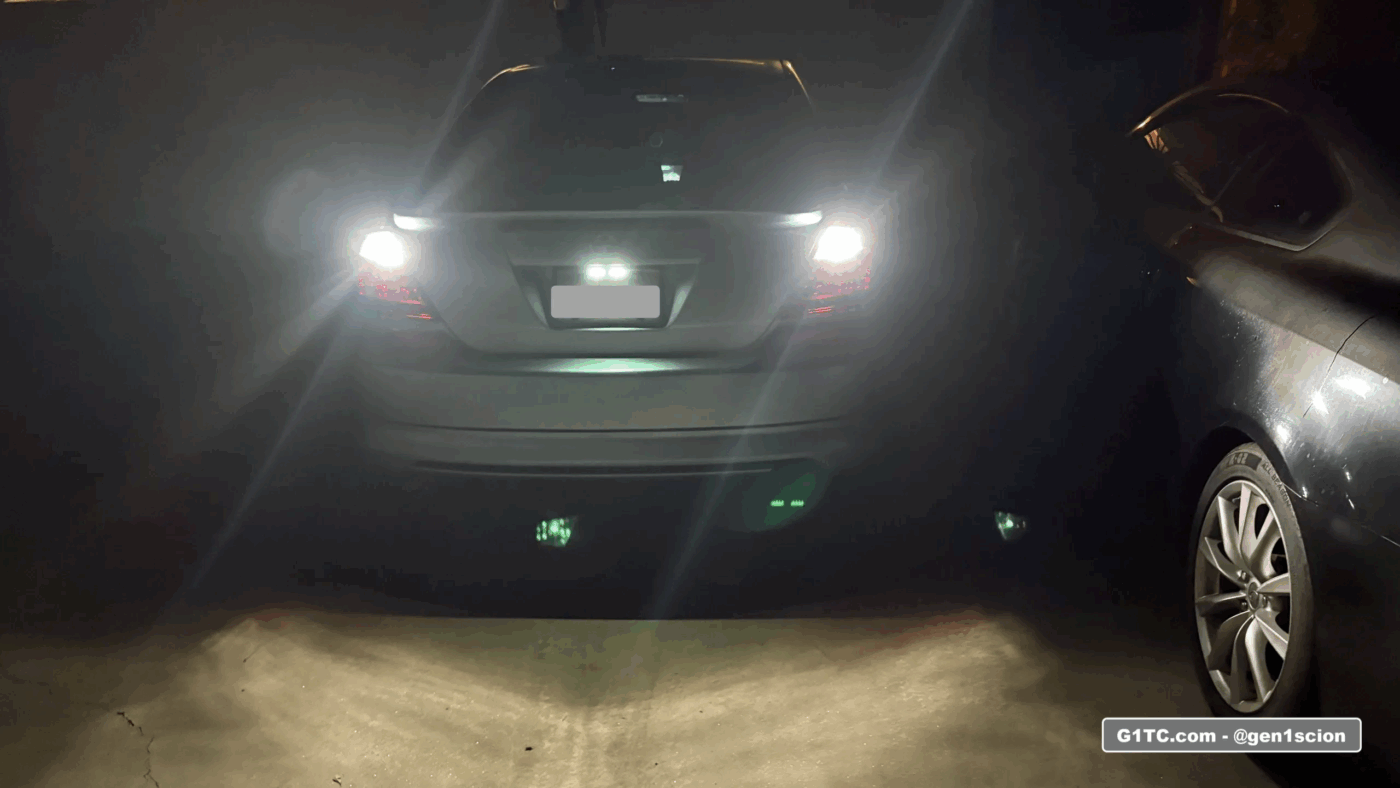
In this article I upgrade my reverse light LEDs to an even brighter LED bulb for added visibility when backing up
Author Archives: gen1scion
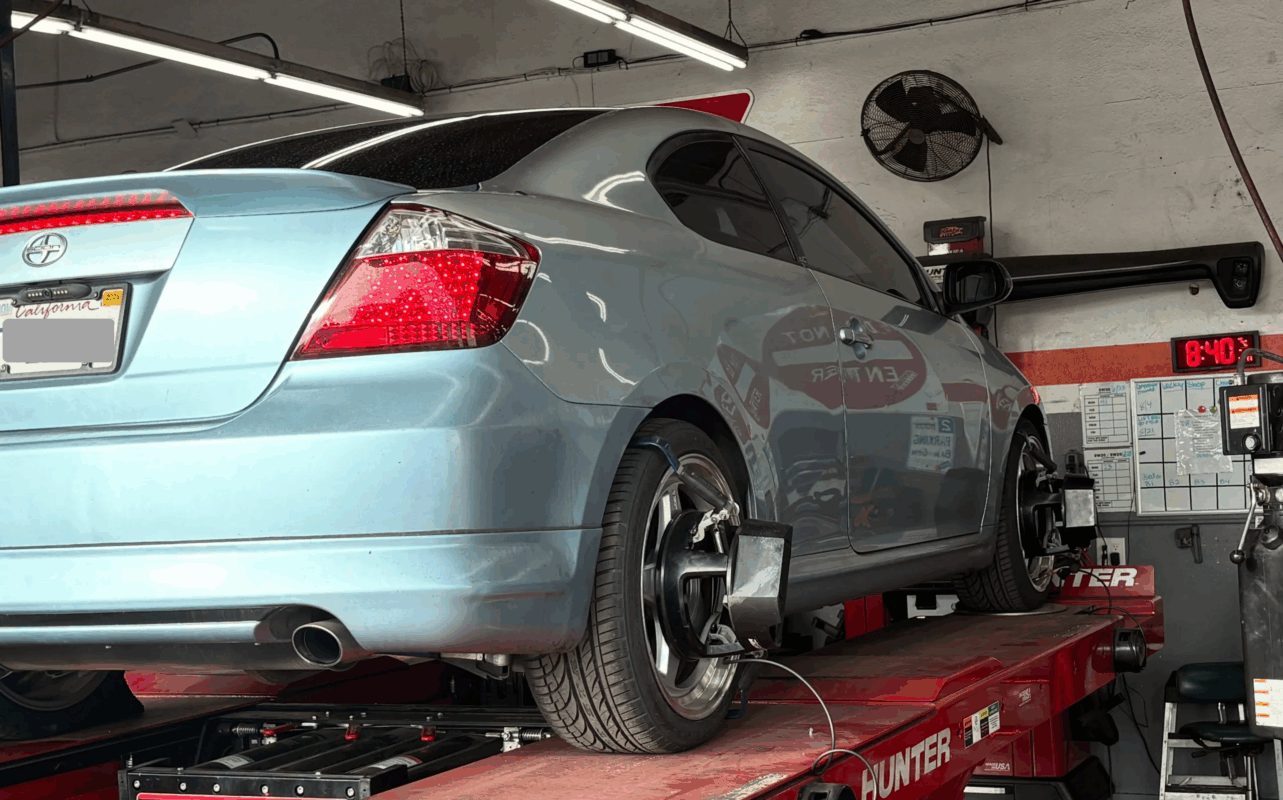
In this article I’ll talk about 1st Gen Scion tC OE wheel alignment specifications including camber, caster and toe. These three angles define how your wheels sit and steer relative to the car. Correct alignment affects tire wear, straight-line stability, steering feel, and cornering grip.
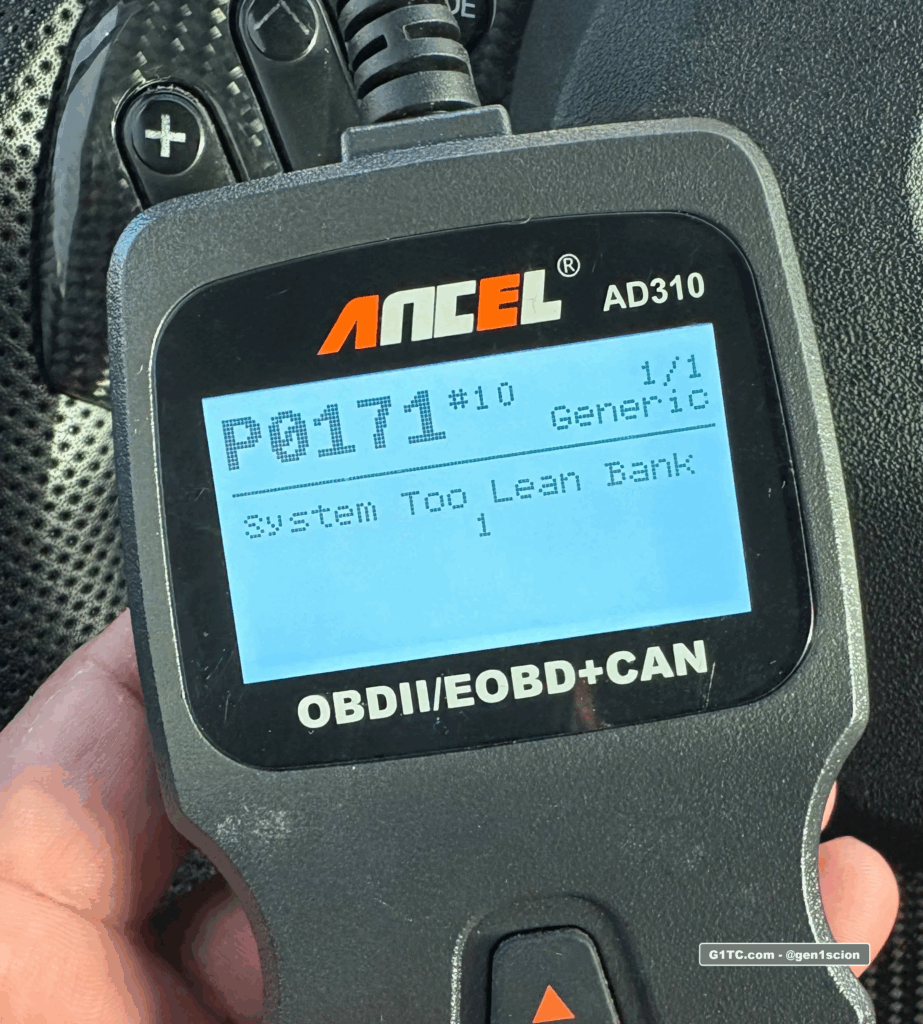
In this article I show you how to troubleshoot a P0171 System Too Lean Bank 1 CEL using a cheap smoke leak tester I bought from Amazon.
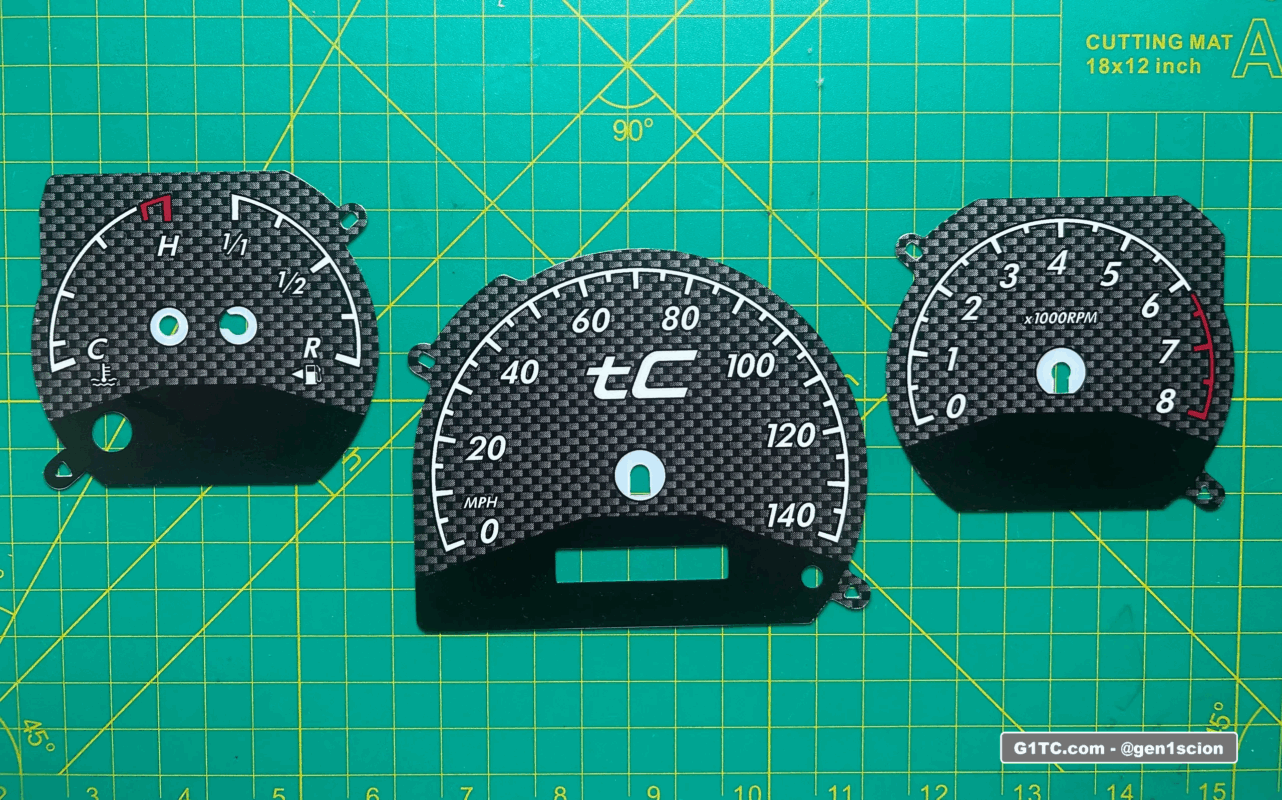
In this article I talk about the Black Cat Custom carbon fiber gauge face installation

This article describes a common oil consumption burning issue with the 2AZ-FE engine and links you to the official Toyota service bulletin
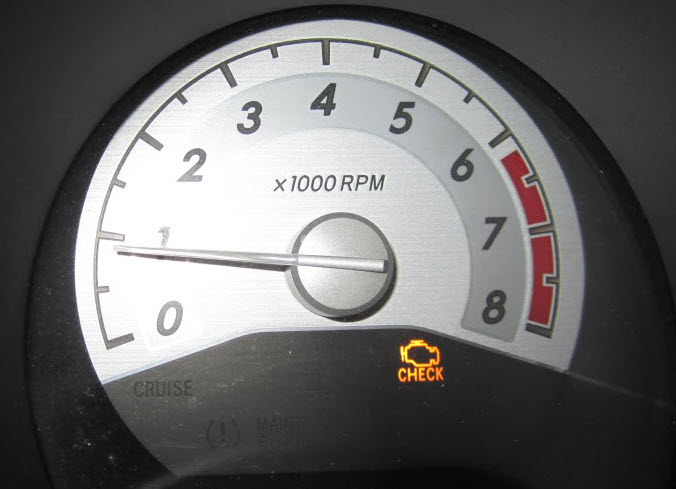
This article talks about some of the most common Check Engine Light (CEL) codes on the Scion tC
exterior body, general info
Where do I find the factory Toyota paint code for the 2005-2010 Scion tC?
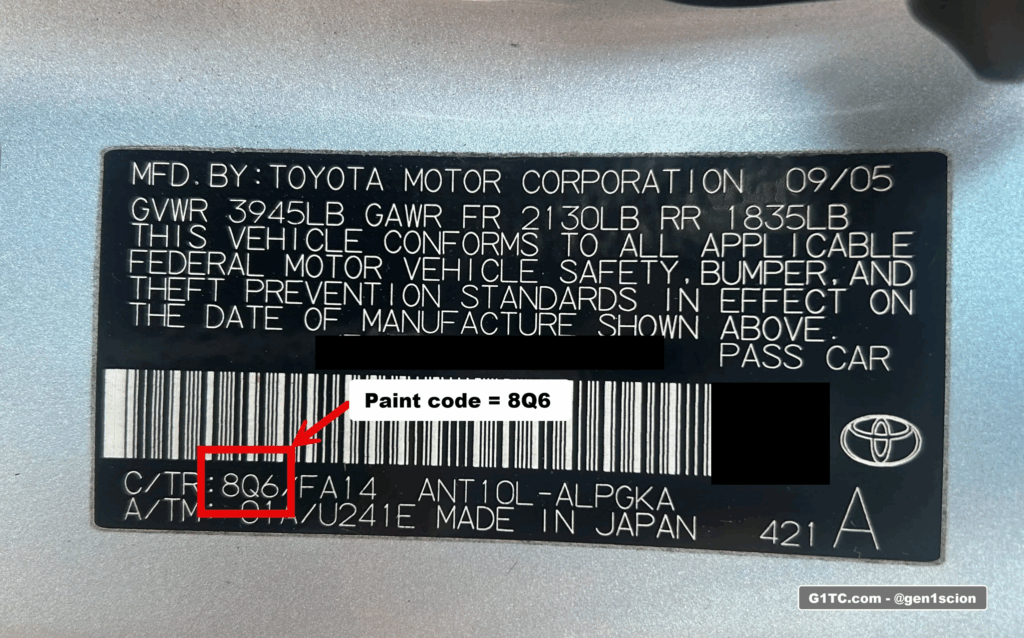
Before you buy paint that doesn’t match, find your factory Toyota paint code on any 2005–2010 Scion tC. No guessing. No mismatches.
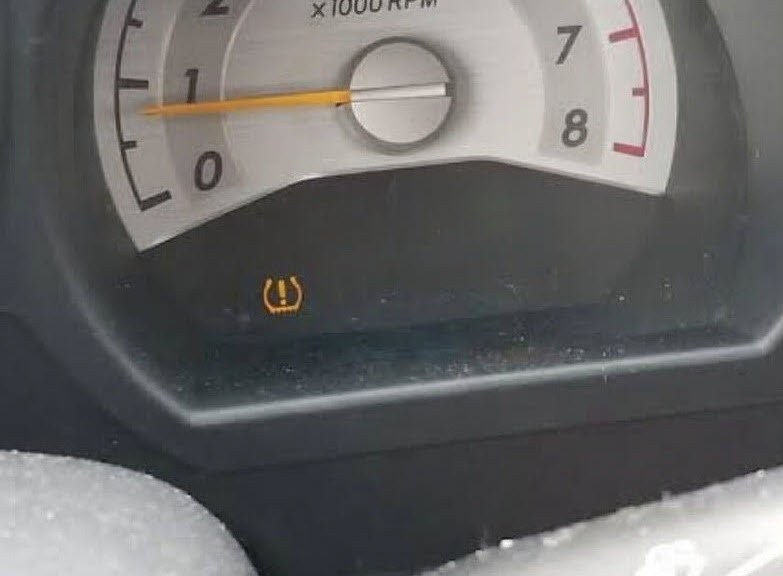
In this article I show you how to reset the TPMS light. The TPMS system is different on the 2005-2006 and 2007-2010 Scion tC.
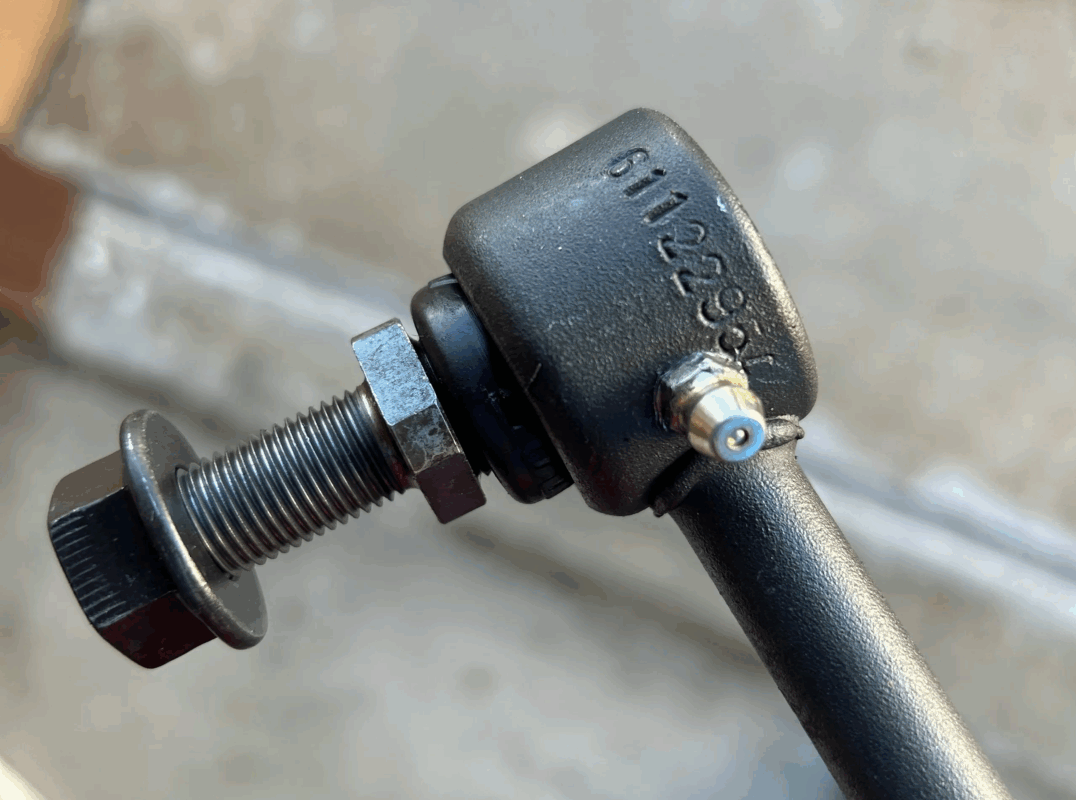
In this article I talk about how MOOG and Detroit Axle make thicker OEM replacement end links for the front and rear of the 2005-2010 Scion tC
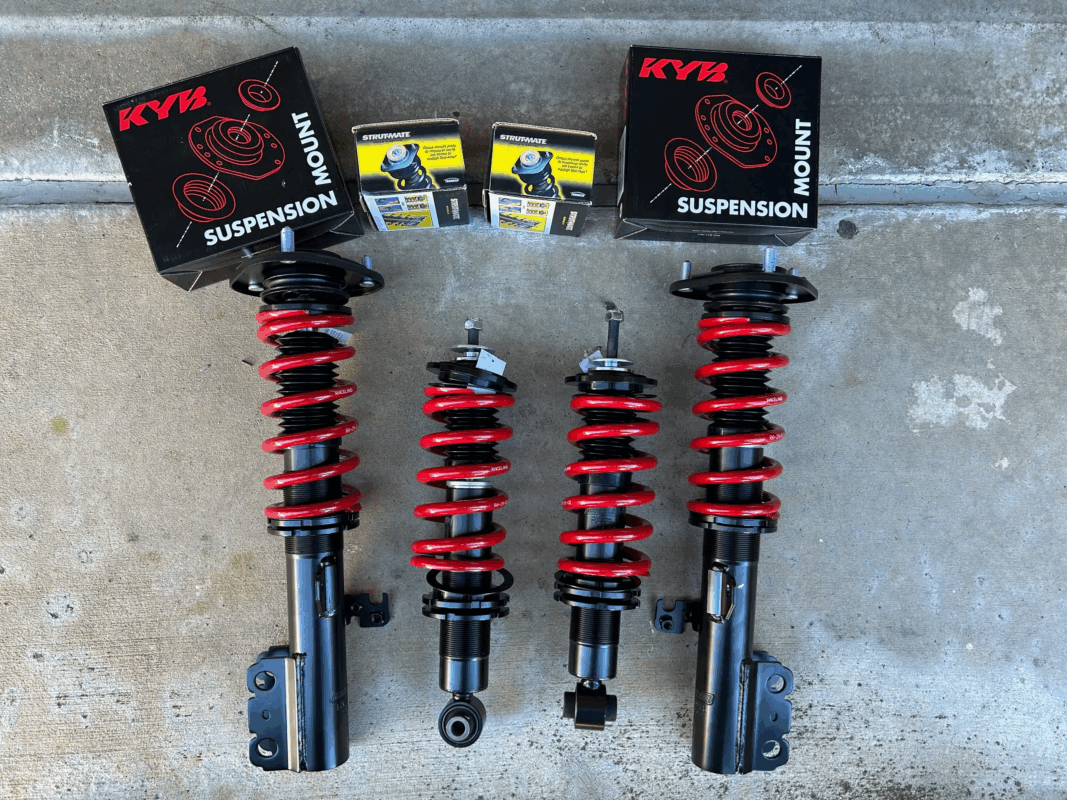
In this article I give you tips and tricks on how to install Raceland Classic Coilovers
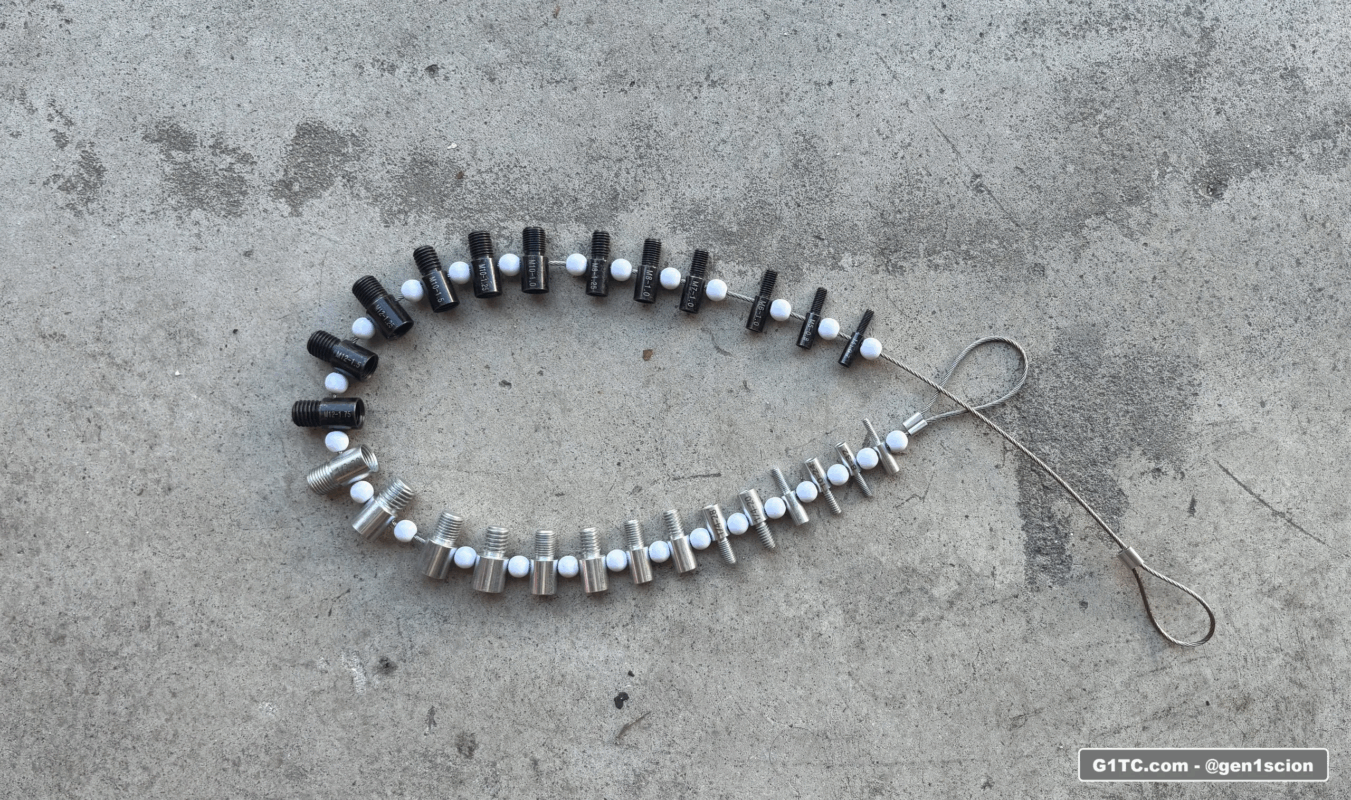
Having a bolt and nut thread checker tool is a great way to confirm thread sizes when you are replacing bolts or nuts
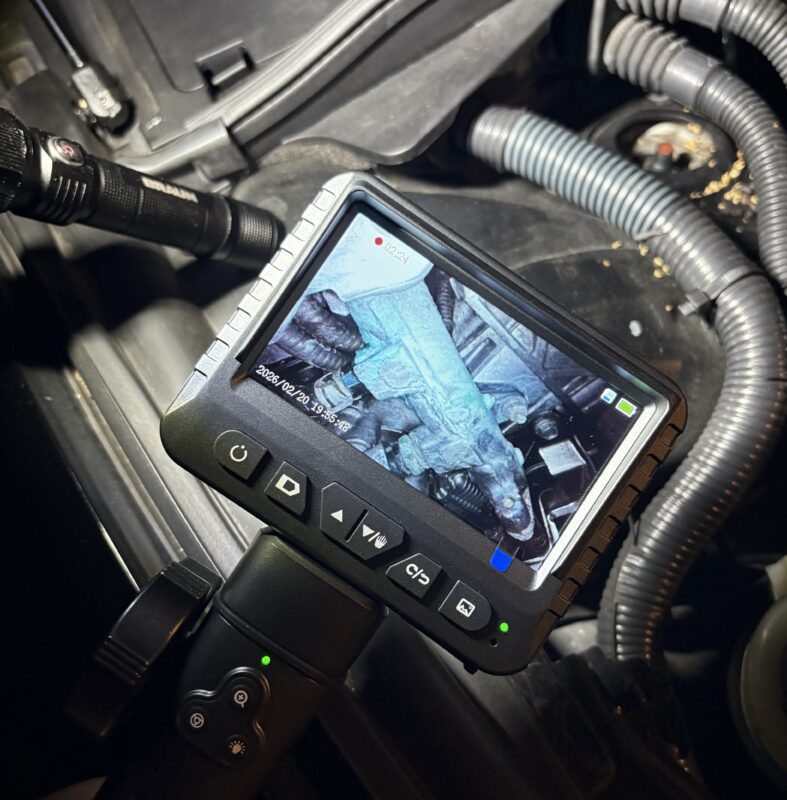
See inside your engine without disassembly. Use an articulating borescope inspection camera before turning a wrench.
DIY maintenance, tool reviews
Bernzomatic propane torch is a must have tool for DIY jobs with stubborn bolts and bushings
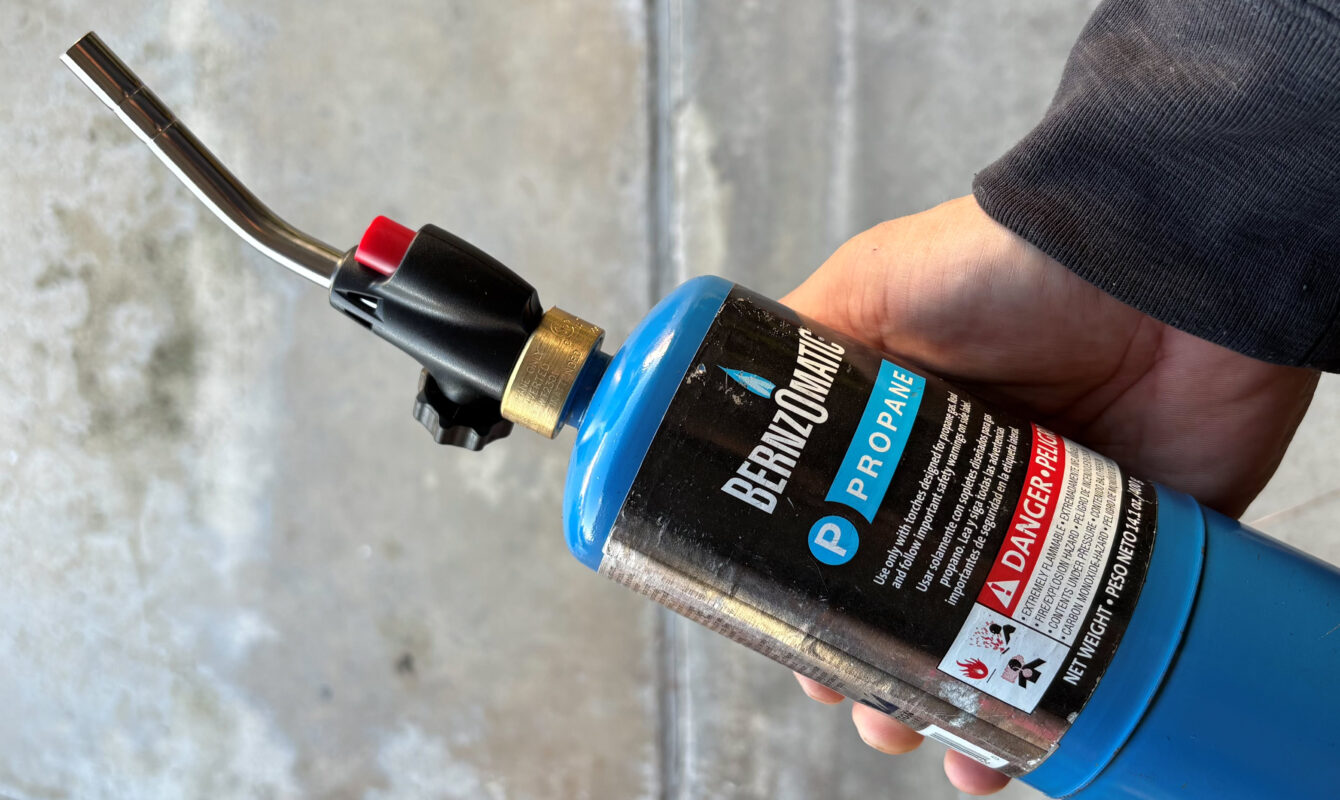
Every DIY mechanic should own a Bernzomatic torch. It’s is a must have tool for DIY jobs with rusty bolts, metal sleeves, and stubborn bearings.
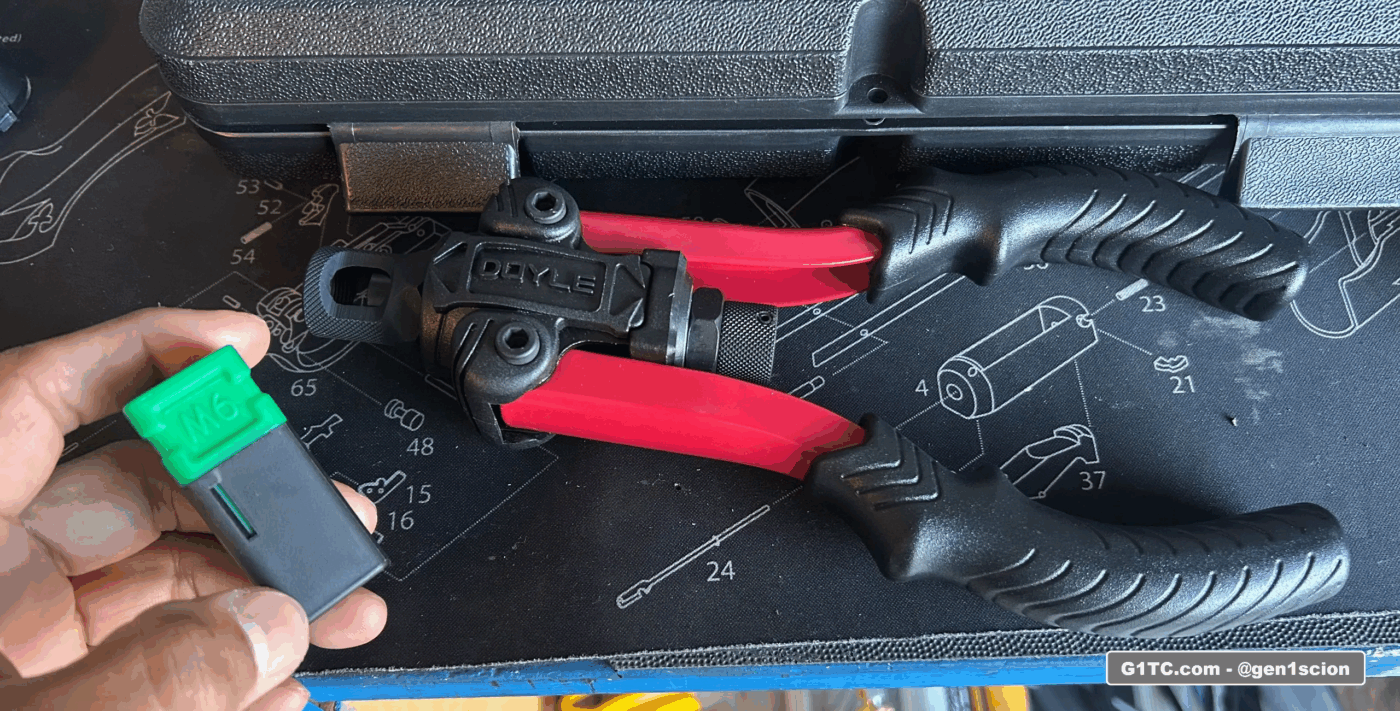
Own a rivet nut tool and suddenly you’re installing threads where none existed. It’s the oddly satisfying tool you didn’t know you needed—until you did.
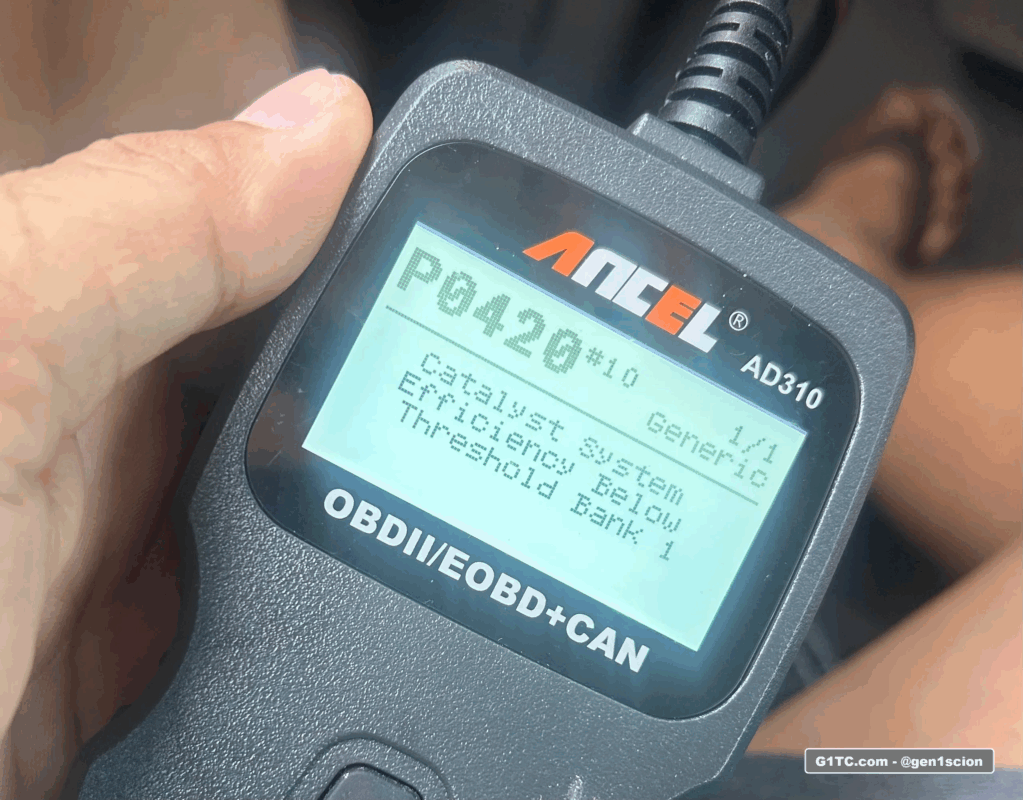
For $30 or less you can equip yourself with an affordable OBDII scanning diagnostic tool to help diagnose problems ahead of time and even work towards fixing them yourself without having to pay dealer or mechanic prices.
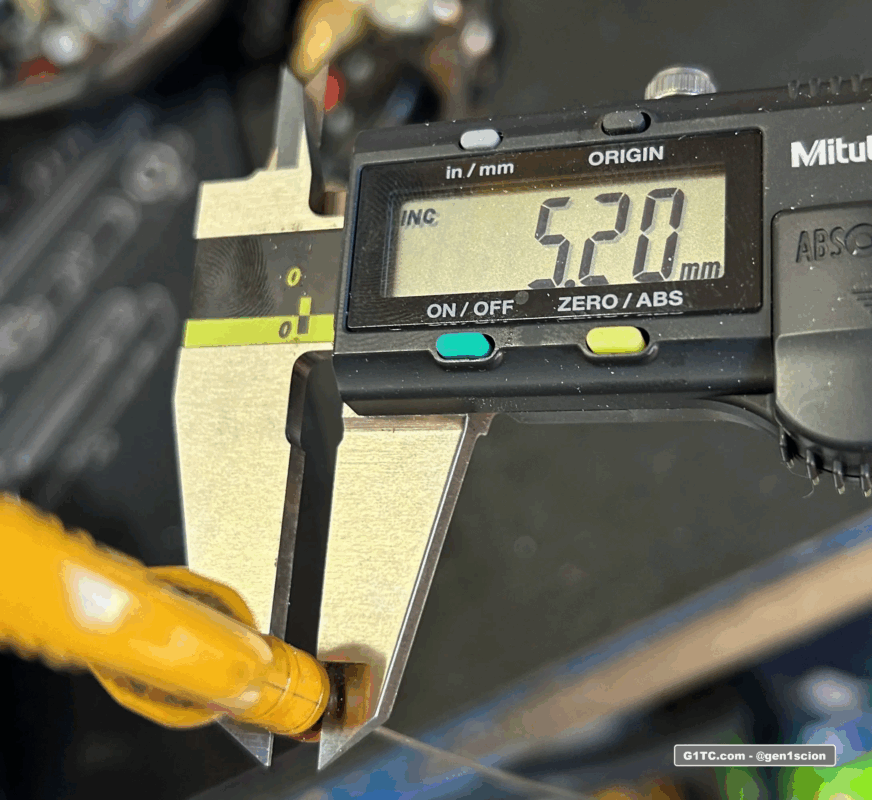
A must-have for any DIY mechanic, digital calipers make measuring parts fast and accurate. Eliminate guesswork, save time, and avoid costly mistakes.
DIY maintenance, tool reviews
Useful Toyota Scion Special Service Tools SST for DIY Maintenance and upgrades
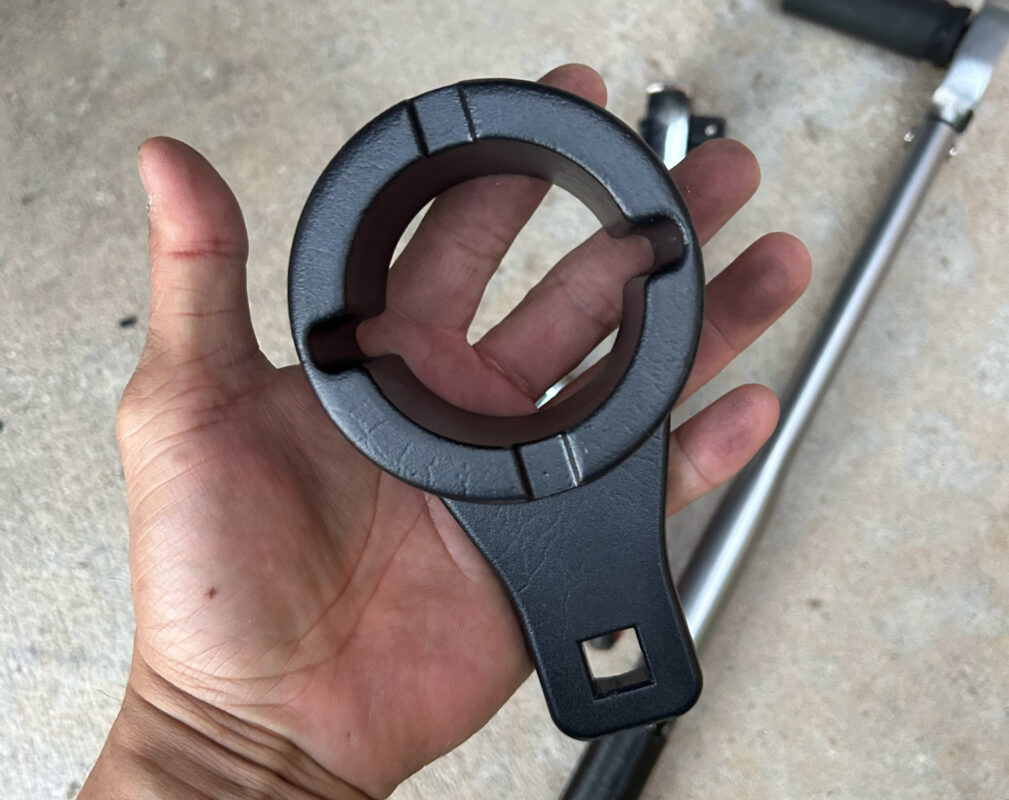
In this article I share a few useful special service and universal tools that are great for DIY repairs and maintenance on your Scion tC
electrical mods, tool reviews
Tap into 12v power proper with Mini Blade fuse taps compatible with the 2005-2010 Scion tC
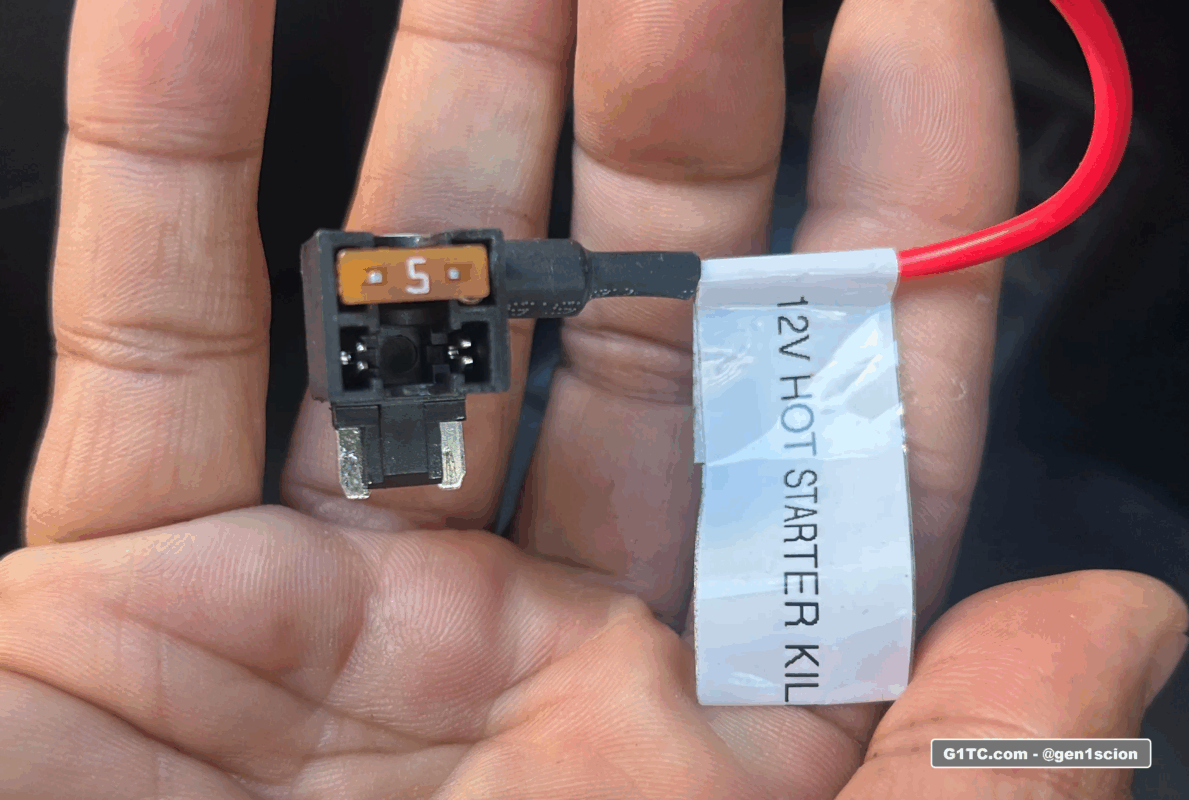
Using proper fuse taps is the right way to add electrical accessories without hacking your wiring. The Scion tC 2005-2010 uses mini fuse taps.
tool reviews
Heavy-Duty Ball Joint Press and Disc Kit for Bushing, Hub, and Seal Removal & Installation
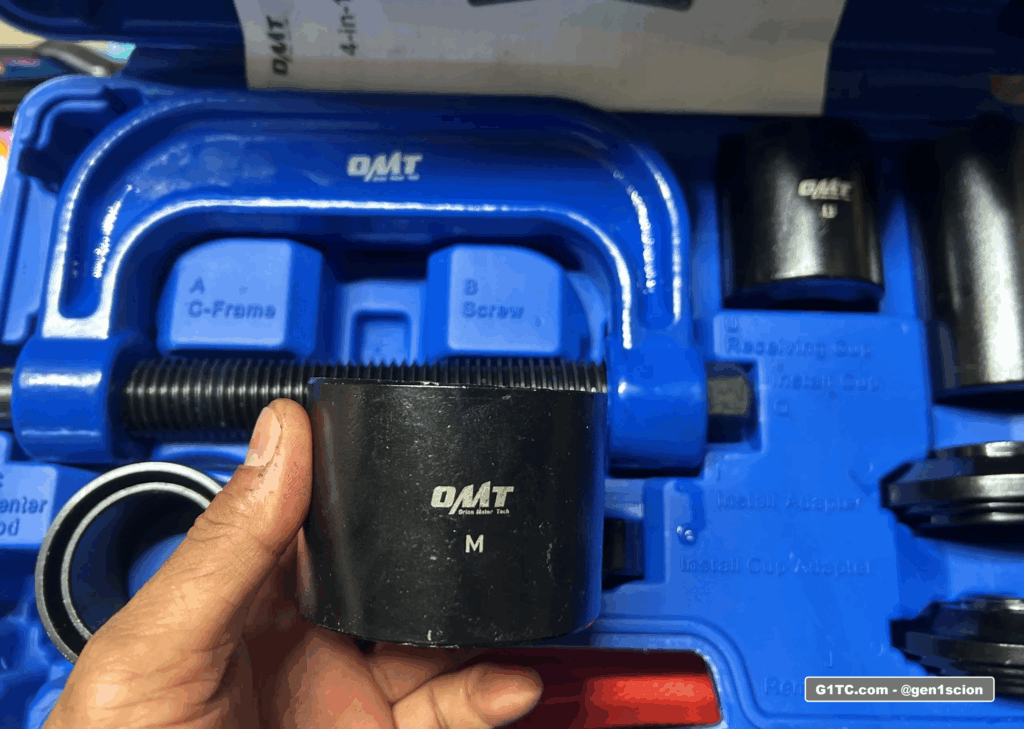
Stop fighting stubborn ball joints and bushings. This heavy-duty press kit makes hub and seal removal and installation fast and clean.
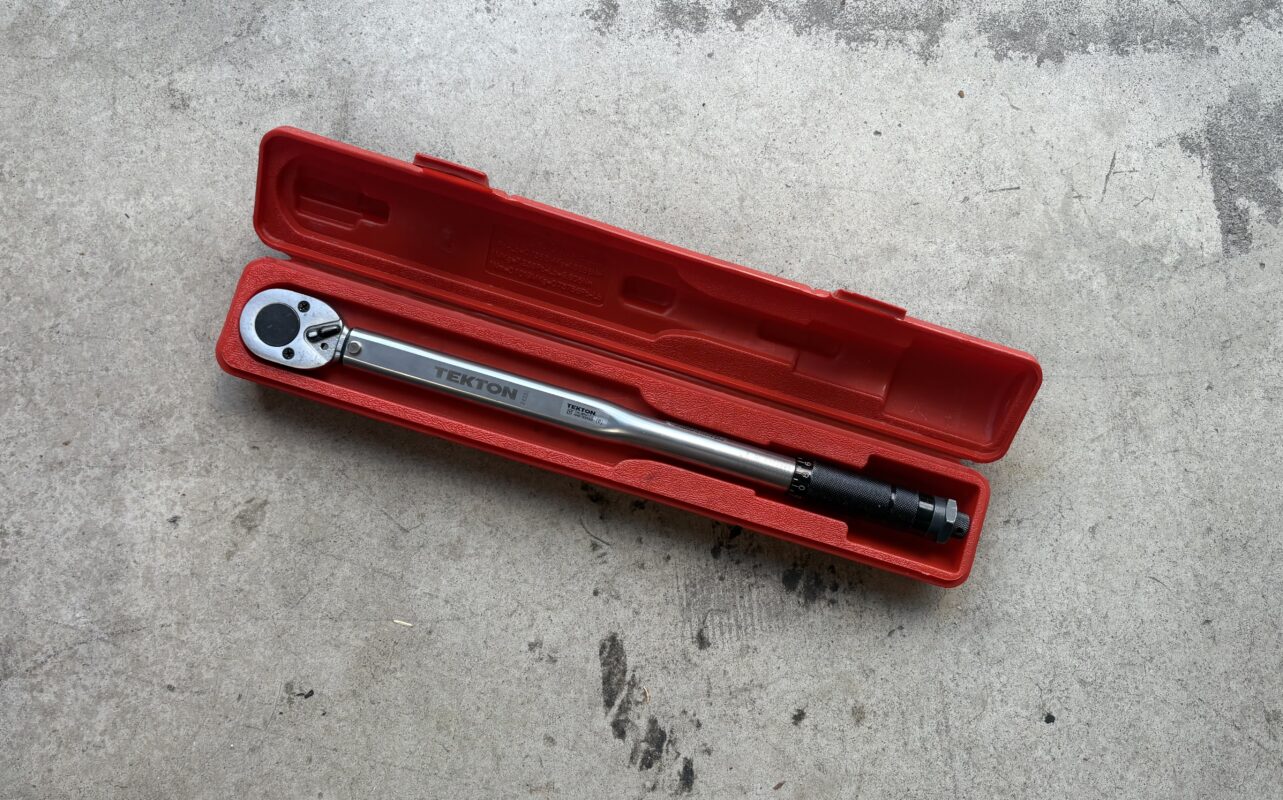
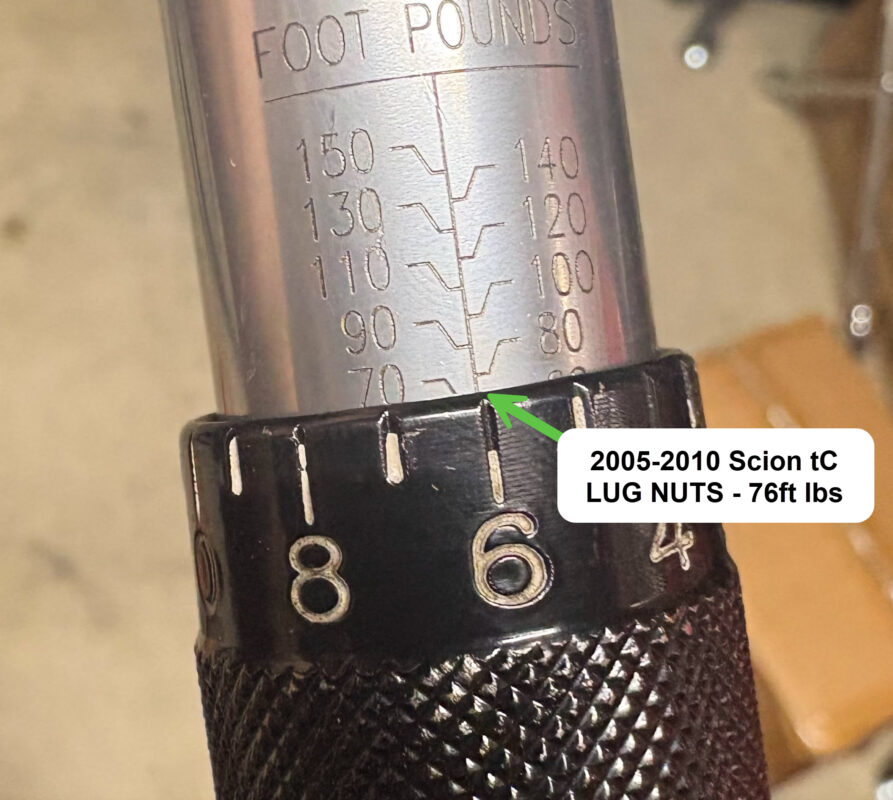
Torque specs exist for a reason. Learn why following torque specifications prevents stripped bolts, broken parts, and costly DIY mistakes.
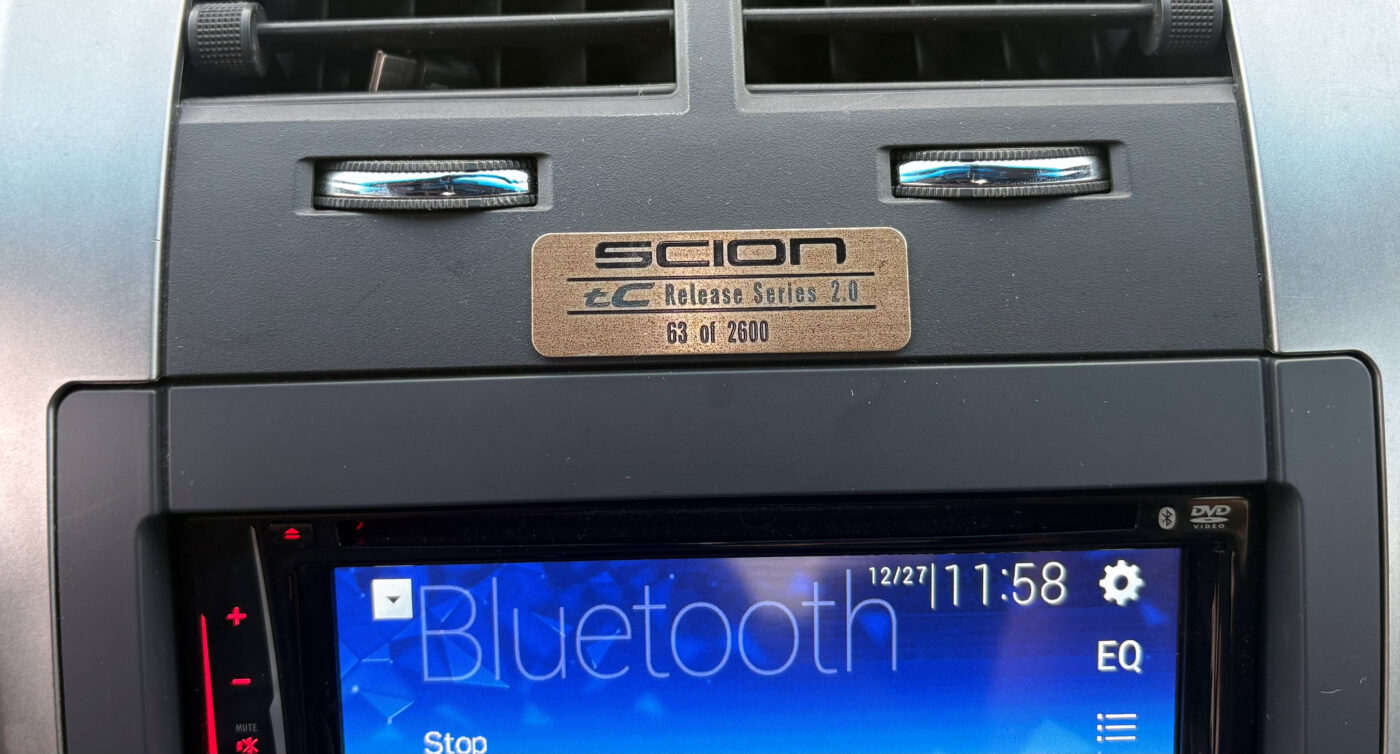
This is a guide to every RS tC from 2005–2010, including paint codes, production numbers, trim/theme highlights, and the key factory-installed goodies.
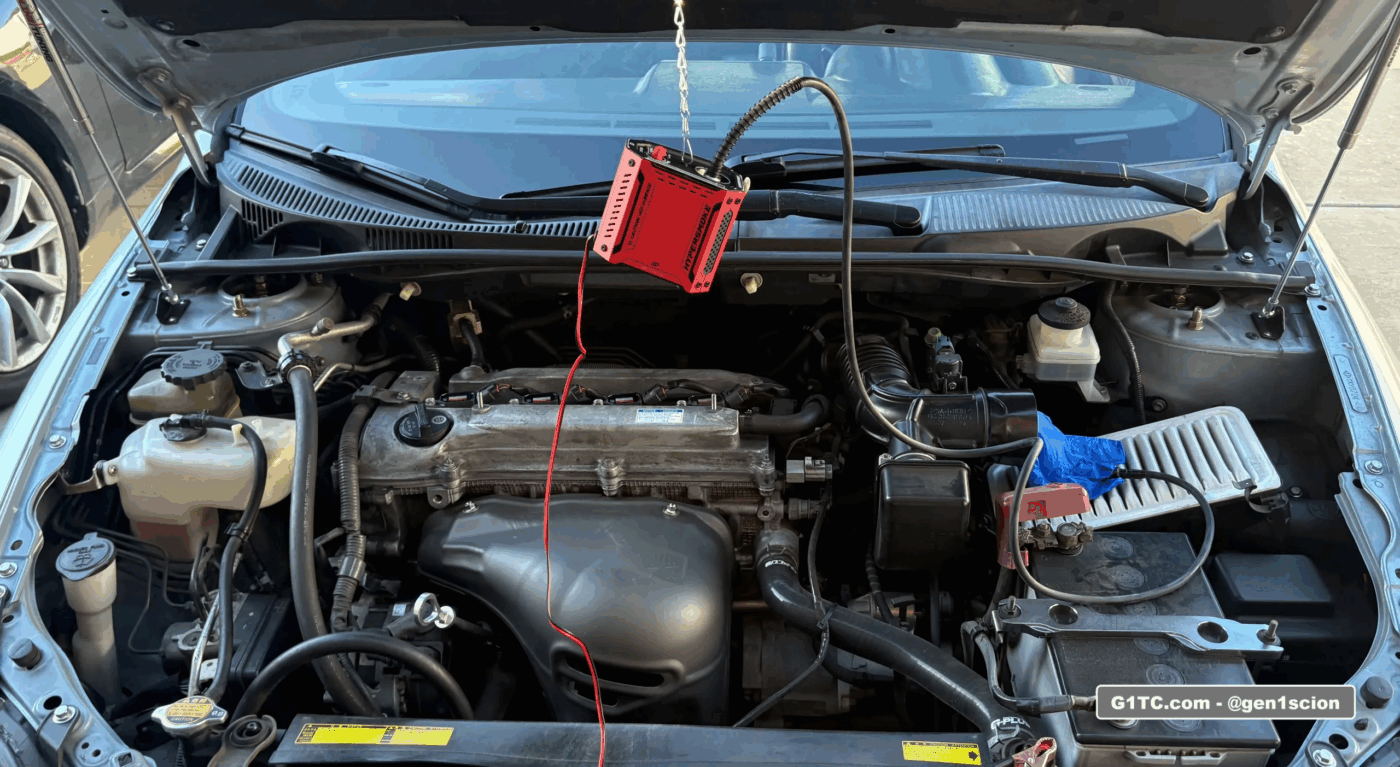
Tired of chasing mystery EVAP leaks and random check engine lights? A smoke test kit lets DIY mechanics literally see leaks, save hours of frustration.
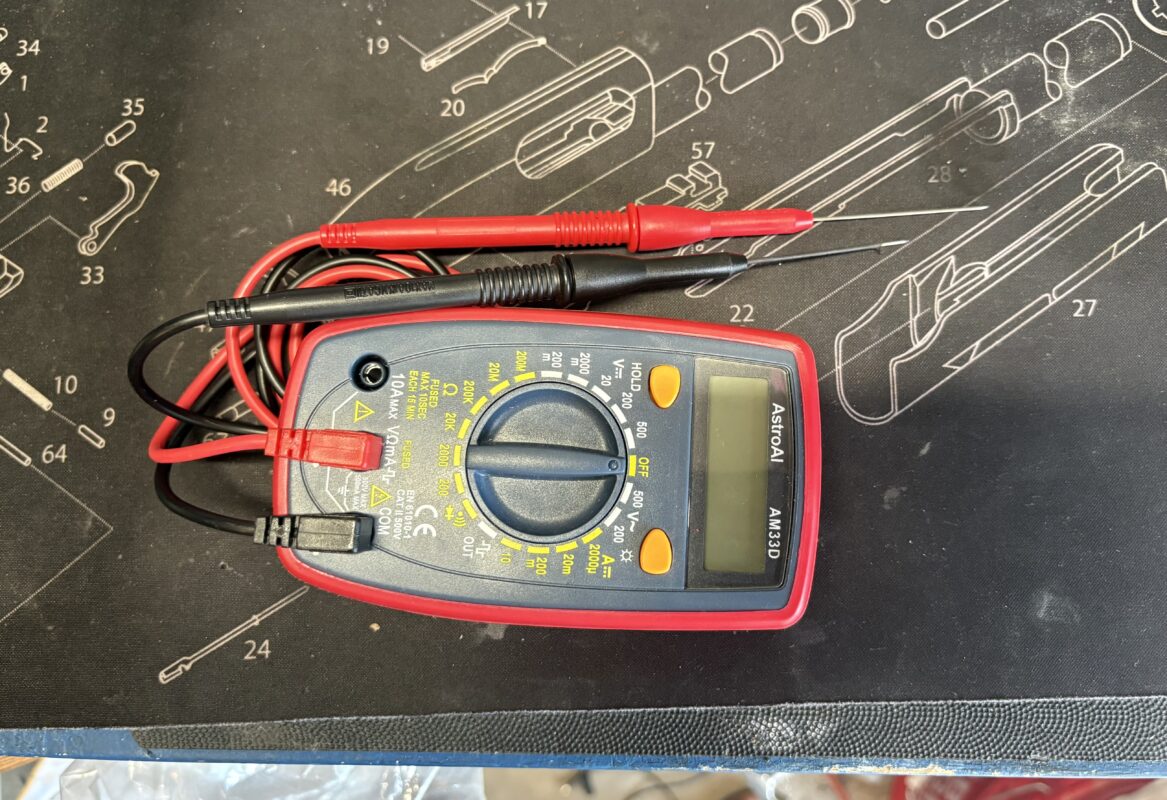
If you’re adding accessories or electronics you’ll need an multimeter to do some basic tests. This one has worked well for me over the years.

When the Toyota Celica ended, the Scion tC took its place. Explore how Toyota transitioned from Celica to tC and changed its sport coupe lineup.
engine related, repair info, replacement part
Spark plug maintenance info OE recommended type, Pre-gapped plugs, and torque values
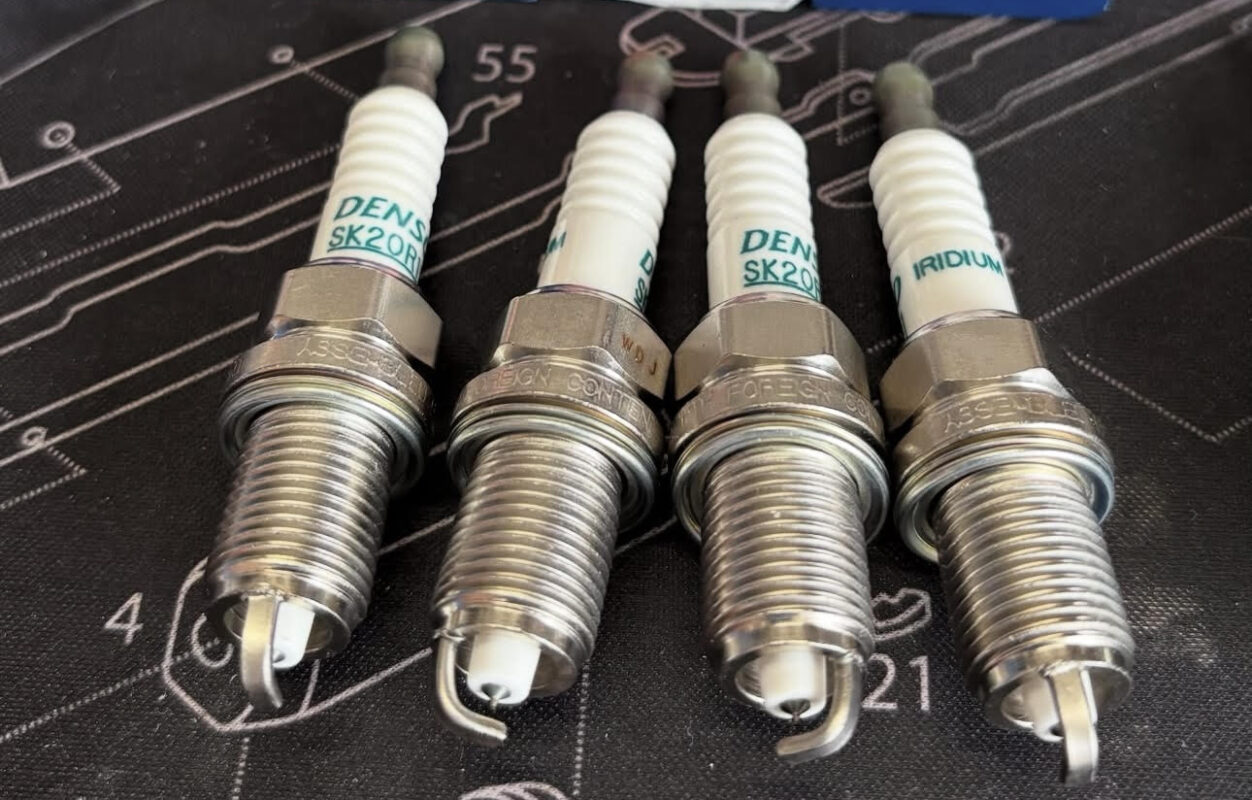
In this article I talk about spark plug maintenance information including part numbers and recommended gap range
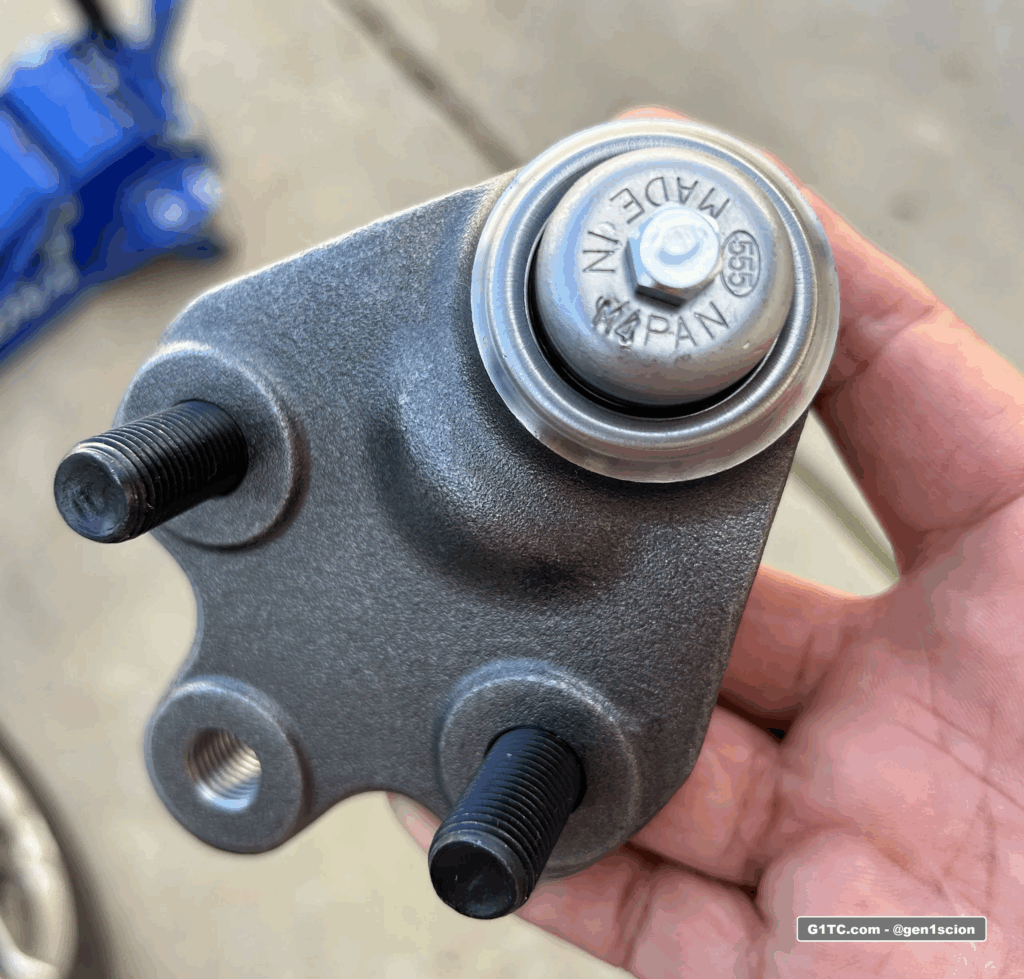
In this article I provide the part number and links to Beck Arnley front ball joints for the Scion tC Made in Japan.
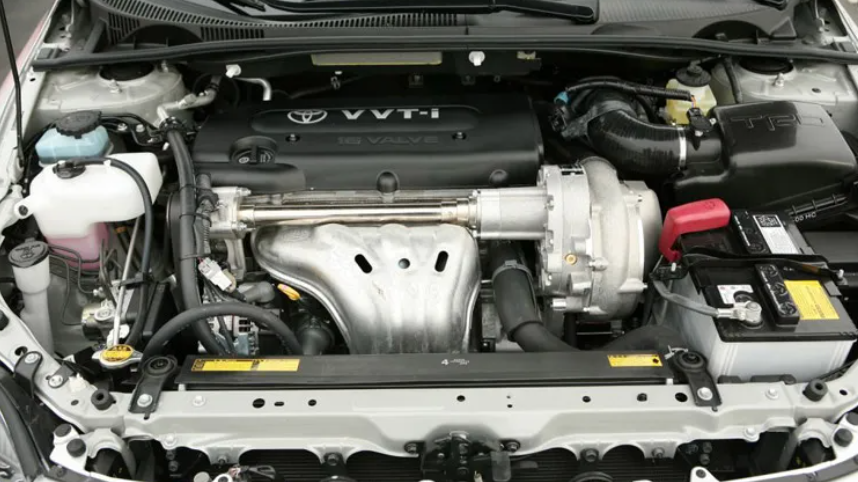
Explore the TRD supercharged Scion tC—what years it was offered, how it performs, and the common problems owners face, including oil and bearing issues.


This page provides links where you can lookup your VIN to see if your 2005-2010 Scion tC had any recalls.