
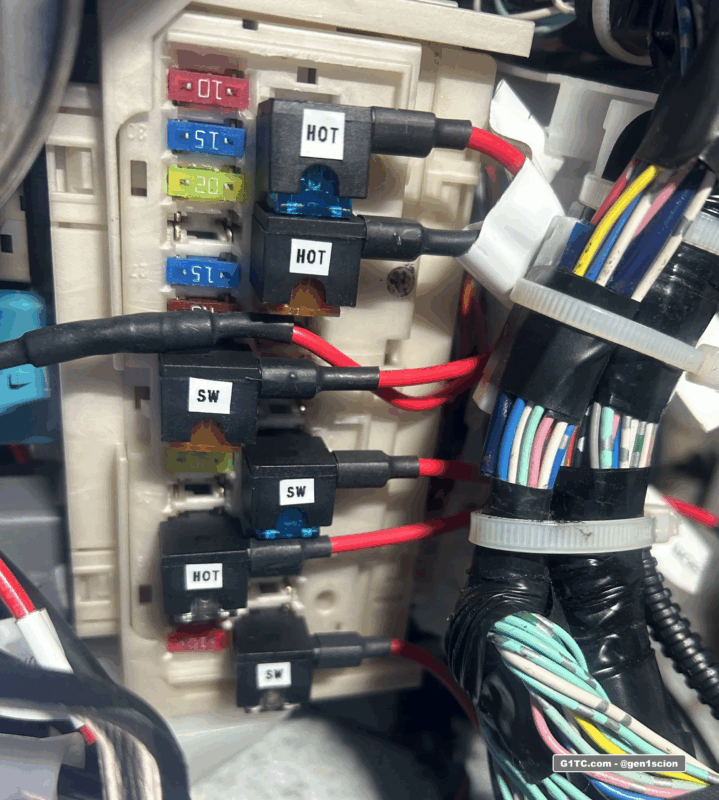
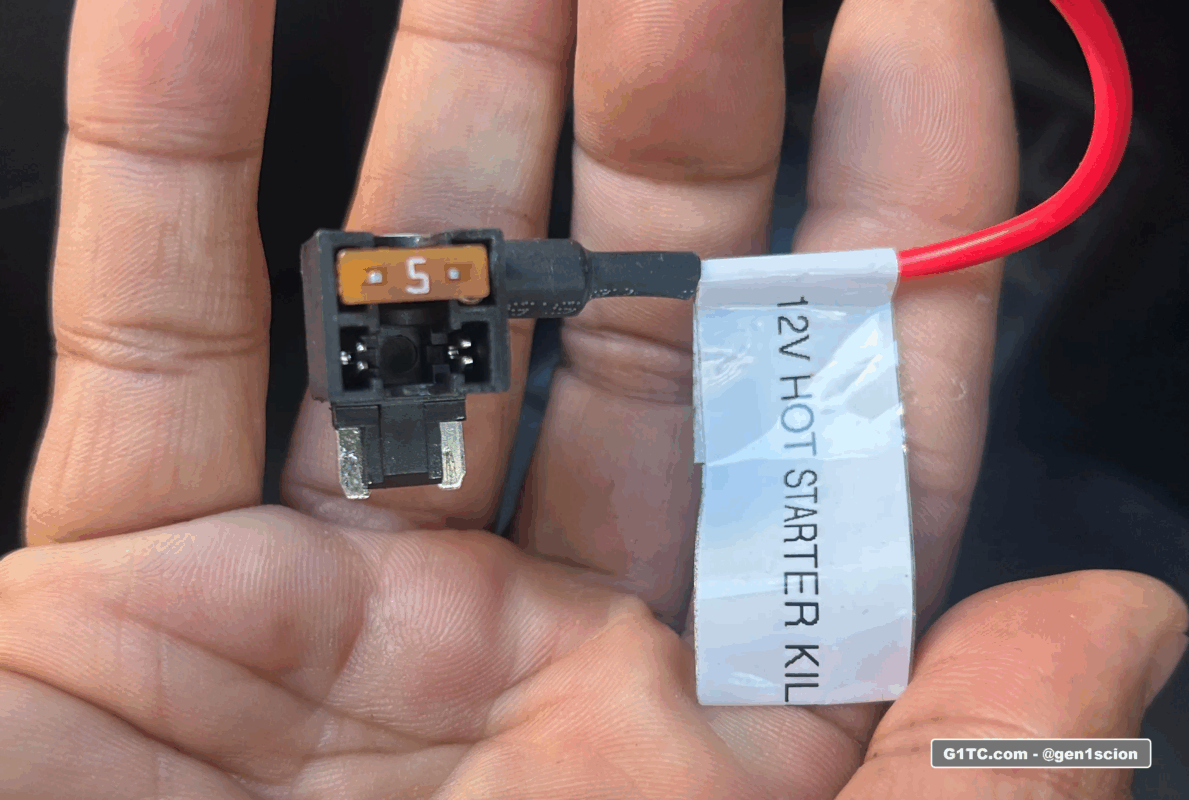
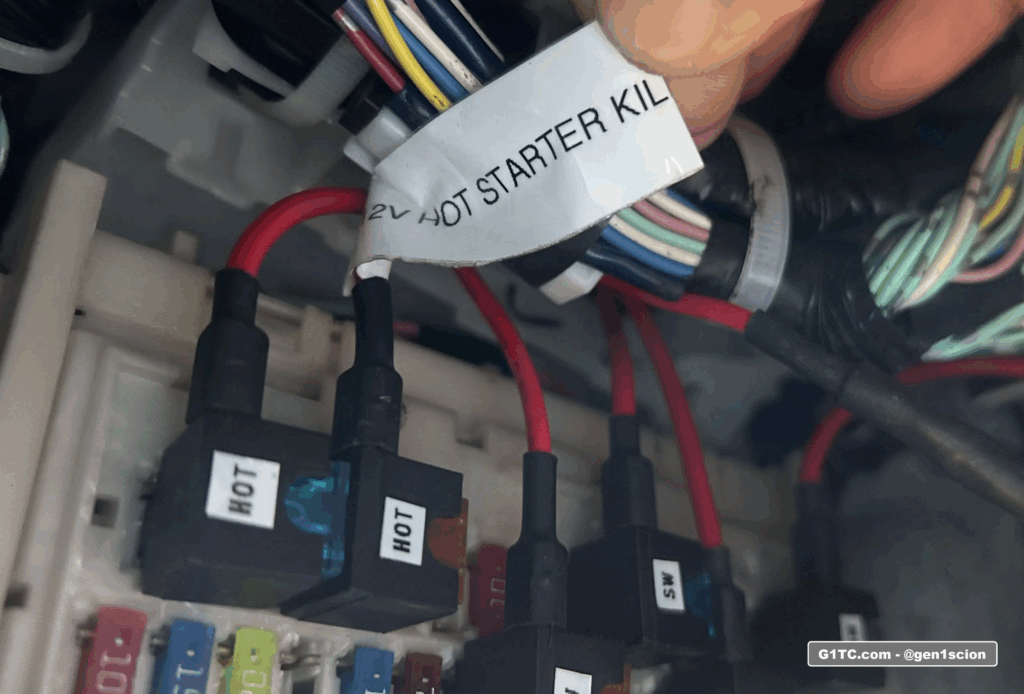
Benefits of Using Fuse Taps Over Wire Taps for Car Electronics Installations
When installing car electronics such as dash cams, lights, or other accessories, choosing the right method for tapping into the vehicle’s electrical system is crucial. Here’s why fuse taps often have the edge over traditional wire taps:
Cleaner and Safer Connections
-
Fuse Taps provide a secure and clean way to tap into a vehicle’s power without cutting or damaging the original wiring. By using the fuse box, you are adding an extra layer of protection, as the fuses are designed to protect your car’s electrical system from overloads.
-
Wire Taps, on the other hand, involve splicing or tapping directly into the wires, which can lead to weaker or exposed connections, increasing the chance of electrical shorts or failures.
Reduced Risk of Short Circuits
-
Fuse Taps are installed directly into the fuse box, ensuring that power is provided through the vehicle’s existing circuits and fuses. This reduces the risk of creating shorts or overloading circuits that could occur with direct wire connections.
-
Wire Taps require piercing the insulation of the vehicle’s wiring, which can sometimes result in poor contact, leading to short circuits or damaged wiring.
Quick and Reversible Installation
-
Fuse Taps are easy to install and just as easy to remove. You simply place the tap in the fuse box and add your additional fuse, making it convenient for anyone who might want to remove or replace the electronics later without leaving permanent marks or damage.
-
Wire Taps typically involve more complicated work like splicing, twisting wires, or using butt connectors. These connections can be hard to reverse and may damage the wire’s insulation or compromise the integrity of the circuit.
No Need to Cut Wires
-
Fuse Taps eliminate the need for cutting the car’s wires. Since the fuse box is part of the car’s built-in electrical system, there’s no risk of cutting wires and having to deal with re-insulating or reconnecting them afterward.
-
Wire Taps involve cutting into the car’s wiring to create a connection. While wire taps can be used effectively, they often require more tools and may introduce risks like accidental wire damage, improper insulation, or poor grounding.
Better Power Distribution and Circuit Protection
-
Fuse Taps automatically integrate with the car’s fuse system, ensuring that any overdrawn current will trip the fuse and protect both the accessory and your car’s electrical system.
-
Wire Taps can lack this built-in protection. Without a fuse in place, an overcurrent could damage both the installed accessory and the vehicle’s wiring.
Professional-Looking Installation
-
Fuse Taps give a more professional and organized look to your car’s electrical setup. They fit neatly into the fuse box and are less likely to be seen as an “amateur” installation.
-
Wire Taps, especially if not done carefully, may look messy or haphazard, with exposed wires or multiple connectors that can be prone to corrosion or accidental disconnections.
More Reliable Long-Term
-
Fuse Taps offer a more stable and long-lasting connection, as they tap into a well-designed, protected circuit with minimal interference. Since fuse taps are specifically made for such installations, they generally provide a more durable and robust connection over time.
-
Wire Taps can degrade over time, especially if the wires are not properly sealed or if there’s exposure to moisture, heat, or movement. Over time, they can weaken and may require rework.
Conclusion
While both fuse taps and wire taps have their place in car electronics installations, fuse taps are generally the safer, cleaner, and more reliable option for connecting accessories. They offer better protection, ease of installation, and easier removal without damaging the vehicle’s wiring. Wire taps might be suitable for quick fixes or certain custom installations, but fuse taps are often the preferred method for a professional and long-lasting solution.
Projects where I’ve used my mini fuse taps to add interior electronic accessories
– Wolfbox Pro 900 dash cam installation on a Scion tC
