
Why Toyota Replaced TRD With GR: Understanding Toyota’s New Performance Strategy
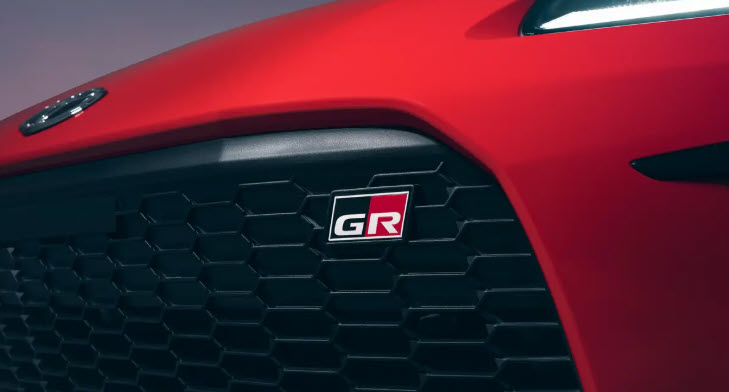
If you’ve been paying attention to Toyota’s performance cars lately, you may have noticed the TRD badge appearing less often on sports cars while the GR (Gazoo Racing) name is showing up everywhere. From the GR Corolla to the GR Supra, Toyota’s performance identity has clearly shifted.
So what happened to TRD, and why did Toyota move toward GR as its main racing and performance division?
The answer comes down to global branding, motorsports strategy, and Toyota’s effort to reconnect with driving enthusiasts.
What Was TRD Originally?
Toyota Racing Development (TRD) was founded in 1976 as Toyota’s factory performance division. TRD handled racing programs, aftermarket performance parts, and vehicle tuning. For decades, TRD represented Toyota’s performance side, especially in North America. TRD became known for:
- Performance parts
- Factory racing programs
- Special edition vehicles
- Off-road truck packages
- NASCAR engine development
However, TRD was never marketed globally as a unified performance sub-brand like BMW M or Mercedes-AMG. Instead, it operated more like a regional performance arm. Toyota eventually realized it needed something bigger.
Why Toyota Created Gazoo Racing (GR)
Gazoo Racing began as a motorsports initiative backed by former Toyota CEO Akio Toyoda, a well-known car enthusiast who believed Toyota had lost some of its excitement. His goal was simple:
Make Toyota fun to drive again.
Gazoo Racing evolved into Toyota’s global motorsports and performance engineering division. Unlike TRD, GR connects racing directly to production vehicles. GR oversees Toyota’s involvement in:
- 24 Hours of Le Mans
- World Rally Championship (WRC)
- World Endurance Championship (WEC)
- Dakar Rally
- Nürburgring endurance racing
Toyota wanted one performance identity worldwide—and GR became that identity.
GR Cars vs TRD Cars: What’s the Difference?
One of the biggest differences is engineering involvement. GR vehicles are fully developed performance cars engineered by Toyota’s racing division, while TRD vehicles today typically focus on accessories, styling, and off-road upgrades.
Examples of GR vehicles:
- Toyota GR Corolla
- Toyota GR Supra
- Toyota GR86
- Toyota GR Yaris (international markets)
Examples of TRD vehicles:
- Tacoma TRD Pro
- Tundra TRD Pro
- 4Runner TRD Off-Road
A simple way to understand the difference:
GR = Toyota’s global performance cars
TRD = Toyota’s performance accessories and trucks
Why Toyota Needed a Global Performance Brand
Toyota’s move toward GR also reflects how performance branding works today. Nearly every major automaker has a dedicated performance division:
- BMW → M Division
- Mercedes → AMG
- Nissan → NISMO
- Hyundai → N Division
- Lexus → F Performance
Toyota needed a similar structure to compete globally, and GR allowed them to build that identity. This also allowed Toyota to market performance vehicles more effectively worldwide instead of relying on regional branding like TRD.
How GR Helped Toyota Rebuild Enthusiast Credibility
In the early 2010s, Toyota was often criticized for producing reliable but uninspiring vehicles. The GR strategy was designed to change that perception. Cars like the GR Corolla helped accomplish this by offering:
- Manual transmissions
- Rally-inspired AWD systems
- Lightweight engineering
- Motorsport development input
This showed enthusiasts Toyota was serious about performance again. The GR badge now signals something important to buyers: This is not just a trim package — it’s a performance car.
TRD Still Exists (And Isn’t Going Away)
Despite the GR focus, TRD remains very important to Toyota. Today TRD mainly handles:
- Off-road engineering
- Truck performance packages
- Suspension upgrades
- Wheels and accessories
- Racing engines in certain series
TRD continues to be extremely strong in Toyota’s truck lineup, where the TRD Pro badge carries significant value. Rather than replacing TRD, Toyota simply gave each brand a different job.
Toyota’s Future Performance Direction
Toyota has indicated GR will continue expanding, especially as performance cars evolve alongside electrification. Future GR vehicles may include:
- Hybrid performance systems
- Lightweight performance EV technology
- Continued motorsports development integration
Toyota appears committed to keeping enthusiast vehicles alive even as regulations change.
Final Thoughts: Why Toyota Shifted From TRD to GR
Toyota didn’t abandon TRD—they reorganized their performance strategy. The move allowed Toyota to:
- Build a global performance brand
- Link racing directly to production vehicles
- Compete with other performance divisions
- Rebuild enthusiast excitement
- Modernize their image
For car enthusiasts, this shift has been good news. Toyota is producing some of its most exciting cars in decades, and GR is the reason why.
FAQ: Toyota GR vs TRD
Did Toyota discontinue TRD?
No. TRD still exists but now focuses mostly on trucks, off-road packages, and performance accessories rather than sports cars.
What does GR stand for?
GR stands for Gazoo Racing, Toyota’s global motorsports and performance vehicle division.
Is GR better than TRD?
They serve different purposes. GR focuses on performance cars while TRD focuses on trucks and performance accessories.
Why does the GR Corolla exist instead of a TRD Corolla?
Because GR represents Toyota’s global performance engineering division, while TRD focuses more on parts and off-road development.
Will Toyota make more GR cars?
Toyota has indicated it plans to expand the GR lineup as part of its long-term performance strategy.
