
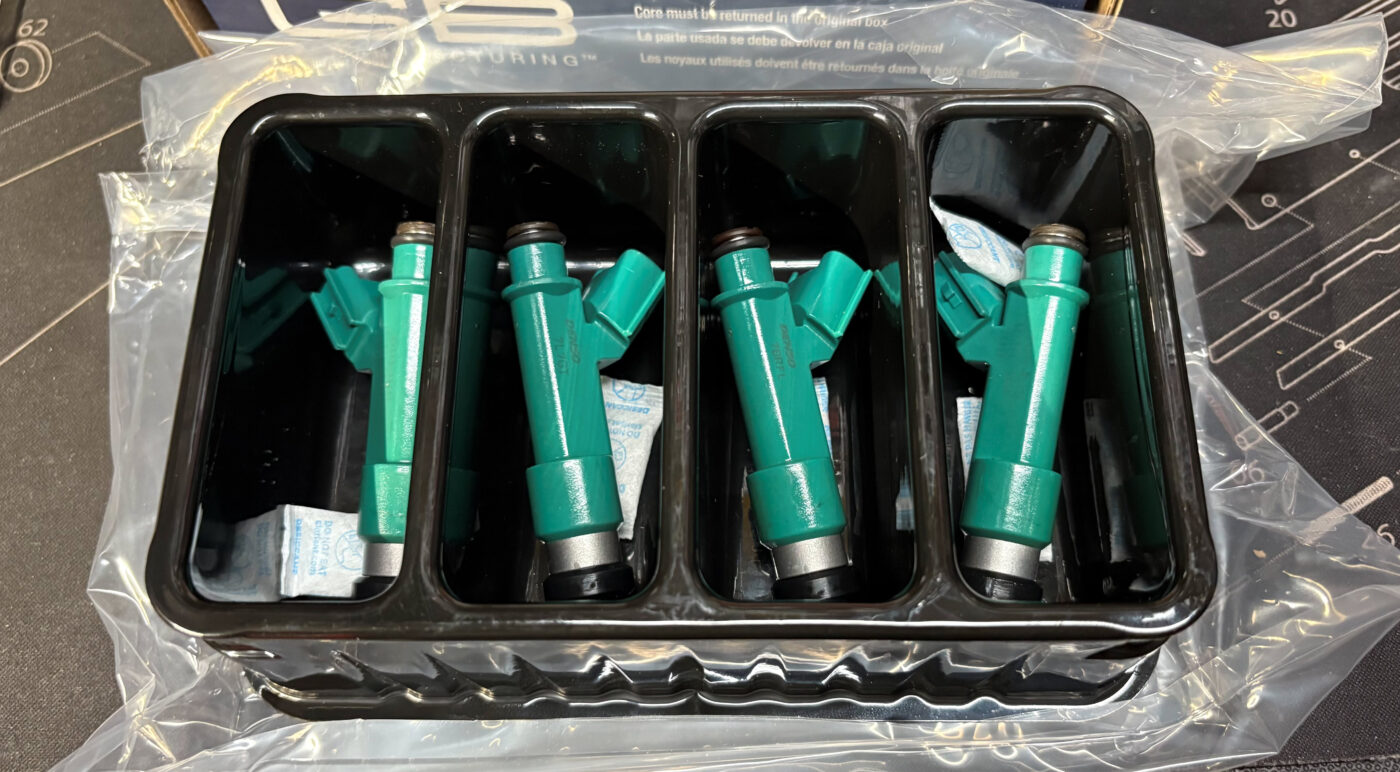
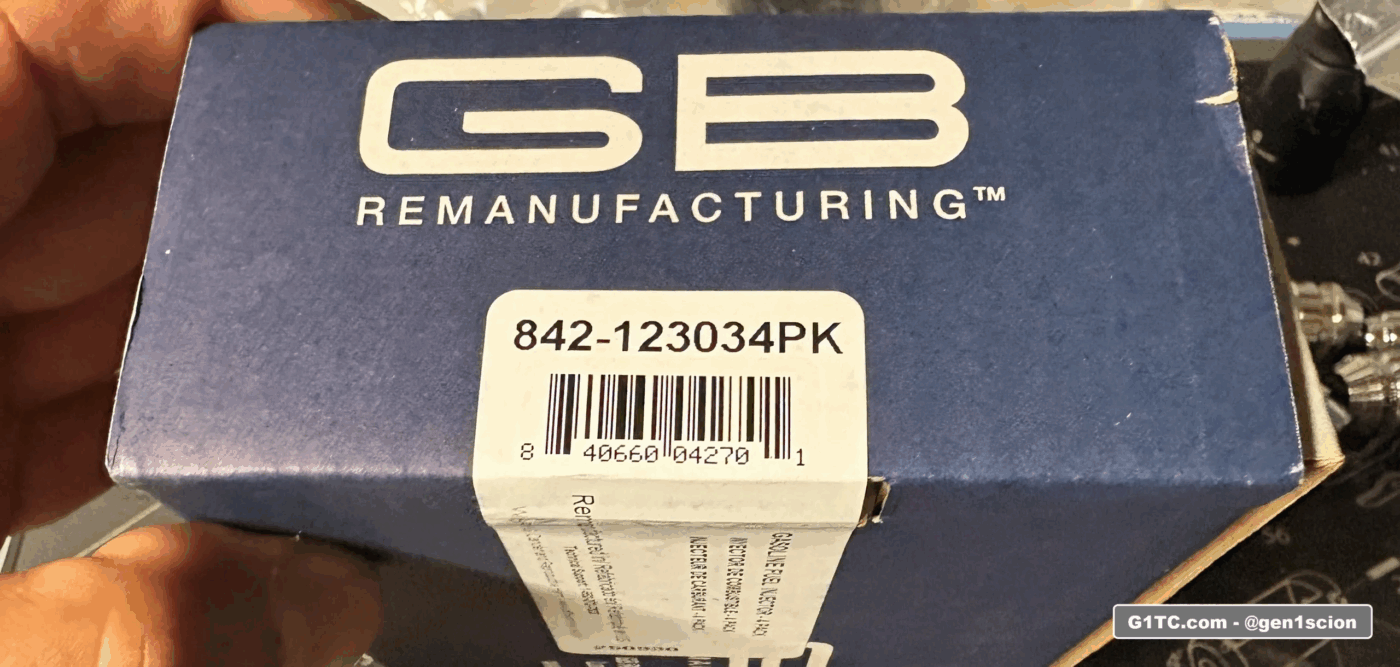
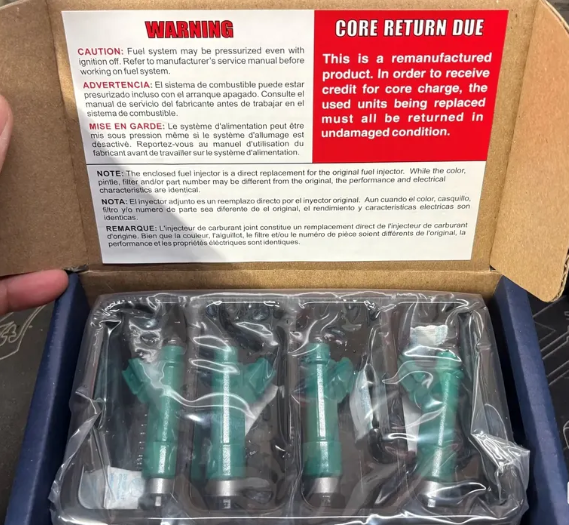
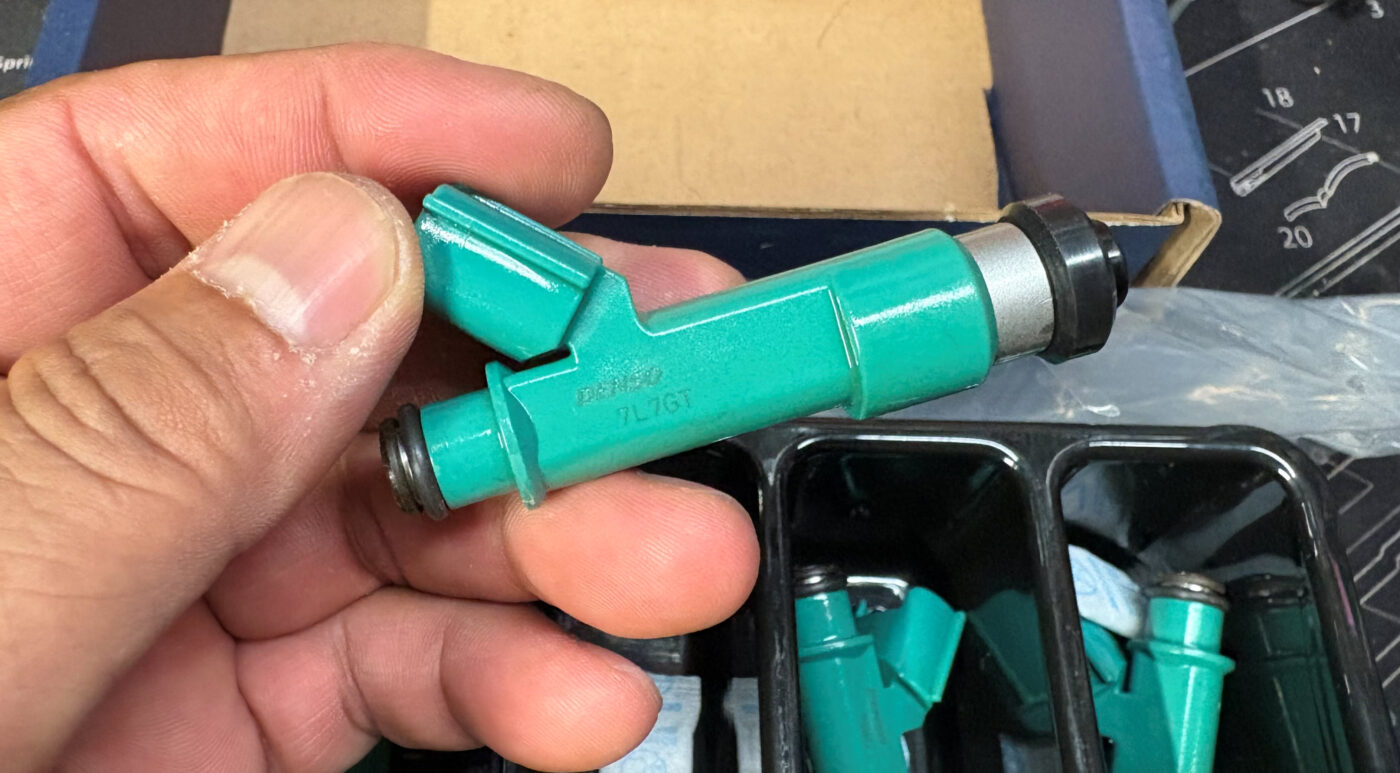
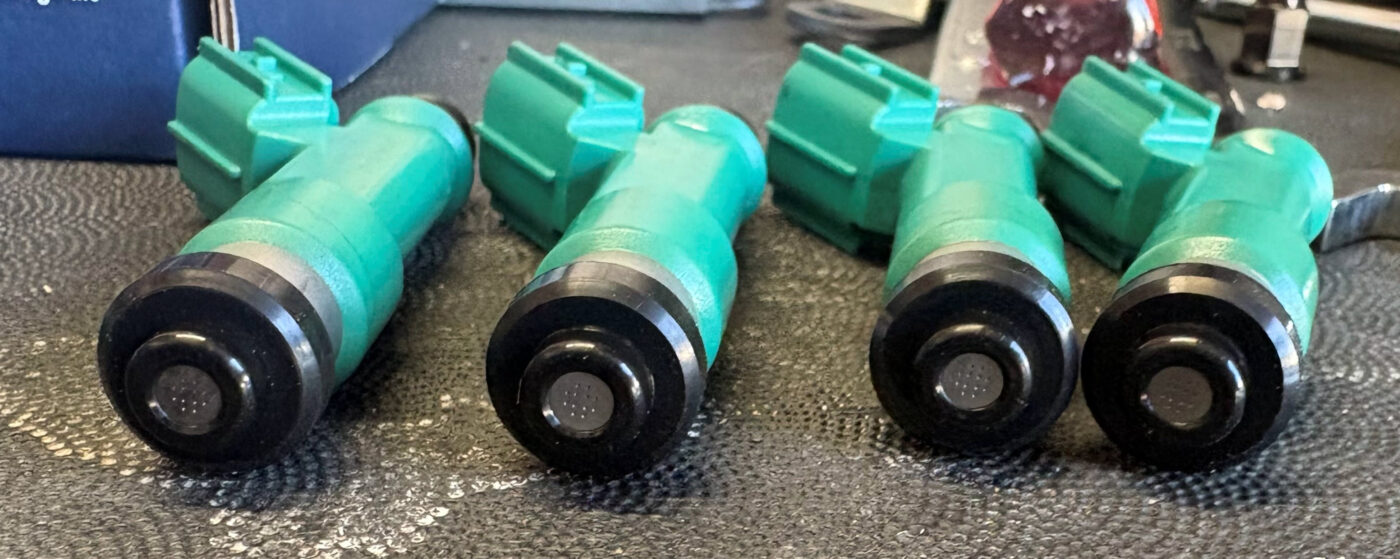
In this article, I’ll install remanufactured OEM Denso fuel injectors by GB Remanufacturing p/n 842-123034PK. The GB line of remanufactured OEM fuel injectors are remanufactured using a proven 15 step process at a state-of-the-art remanufacturing facility in the USA. Injectors are thoroughly tested under multiple operating conditions to ensure each injector meets or exceeds OE specifications for flow rate, spray pattern, coil resistance, form, fit and function.
My original Denso fuel injectors have 247k miles on them, I will be sending them to Fuel Injector Clinic to get cleaned and tested so that I can have a spare injector set on hand.
Other Fuel Injector Options
-
OEM Denso injectors are Toyota p/n 23209-0H030
-
Pull injectors and have them cleaned and tested, runs about $25 each.
-
Fuel injectors from Amazon for as little as $50 a set
-
Just clean them using Cheveron Fuel Injector cleaner
OEM Specifications / Testing
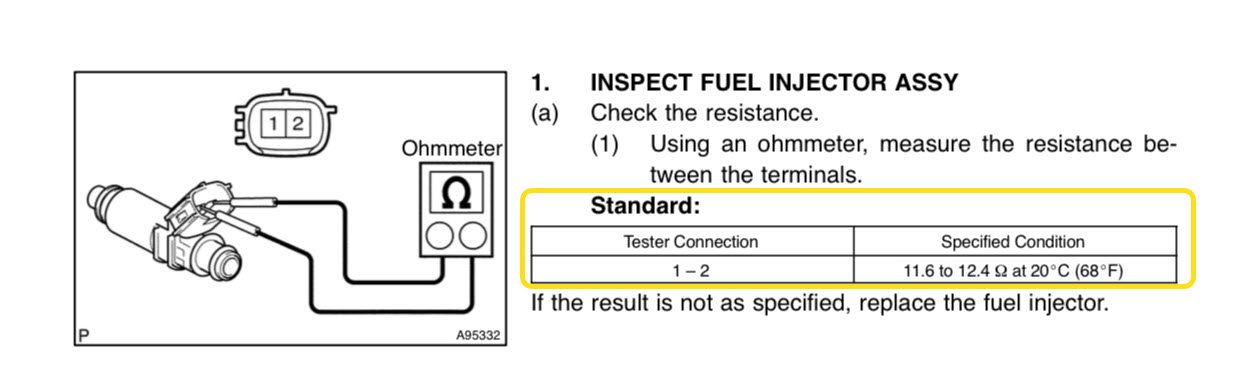
OHMs: 11.6 to 12.4 Ohms @ 20C/68F
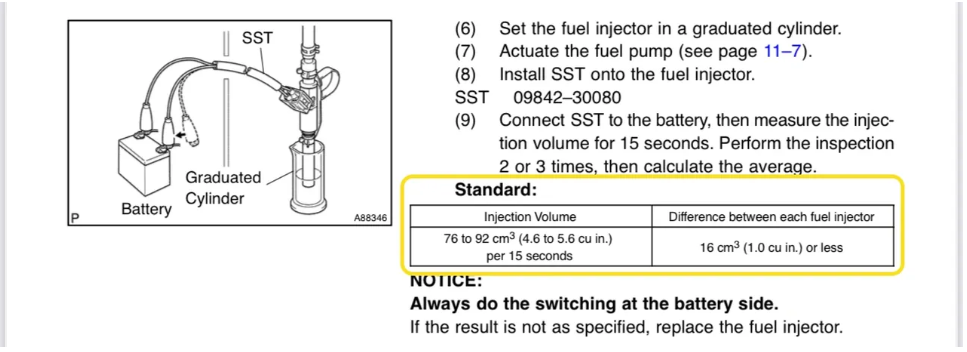
Per service manual acceptible range: 76-92 cm3 per 15 seconds OR spproximately 304–368 cc/min. Normal operation is ~332 cc/min (at 43.5 psi / 3 bar), or 31.6 lb/hr in that specification.
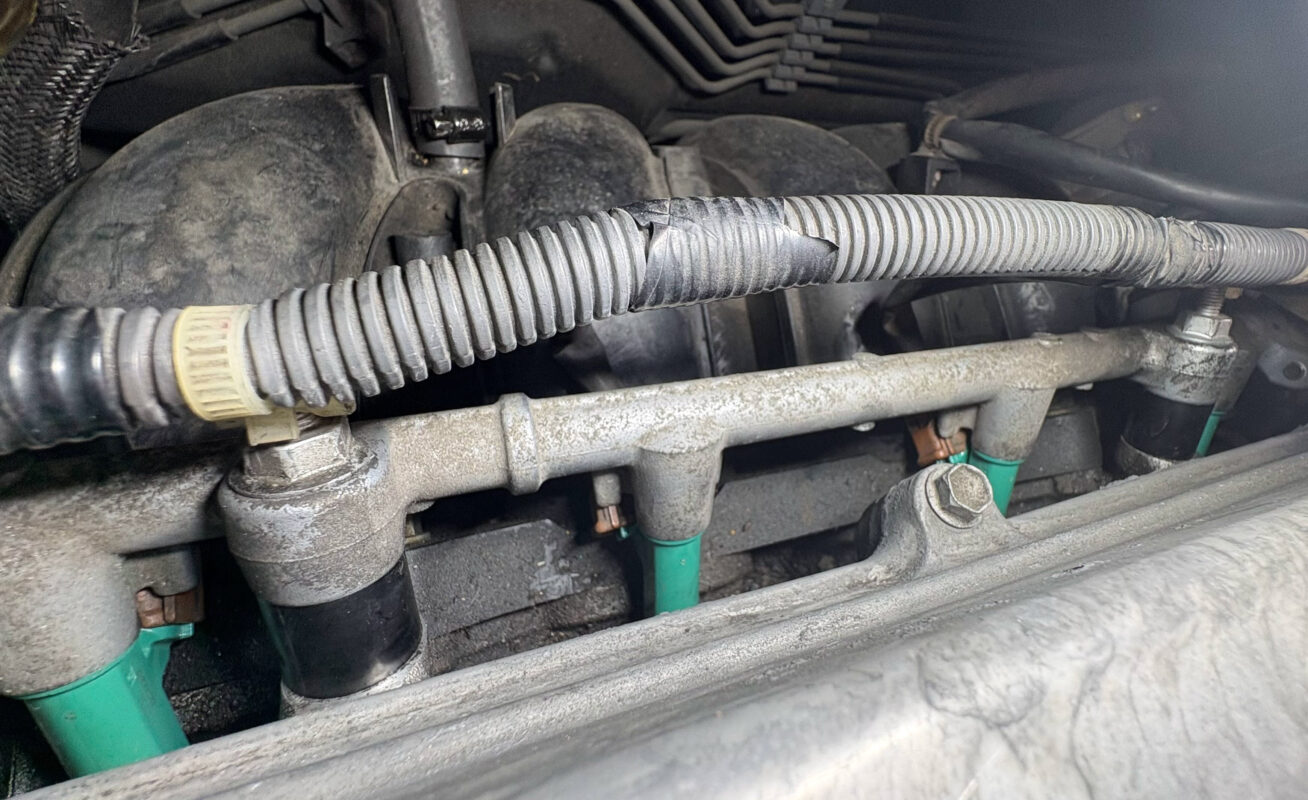
Installation – Remove your Fuel Rail
1. Depressurize the fuel system SAFELY
I personally start the car, then flip my fuel pump kill switch. This is equivalent to pulling the fuel pump fuse while the car is running. Whatever you do, do it safely.
2. Disconnect the battery
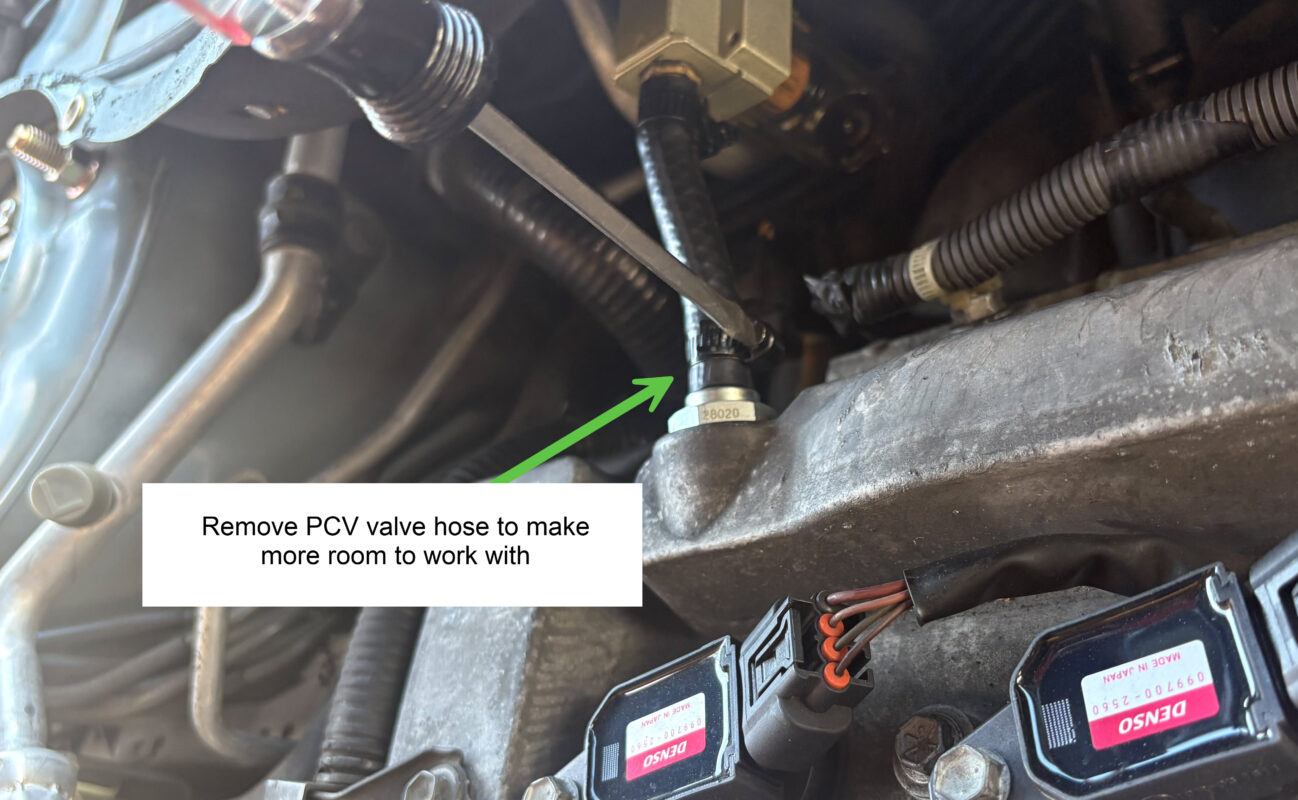
3. Remove the PCV Valve hose
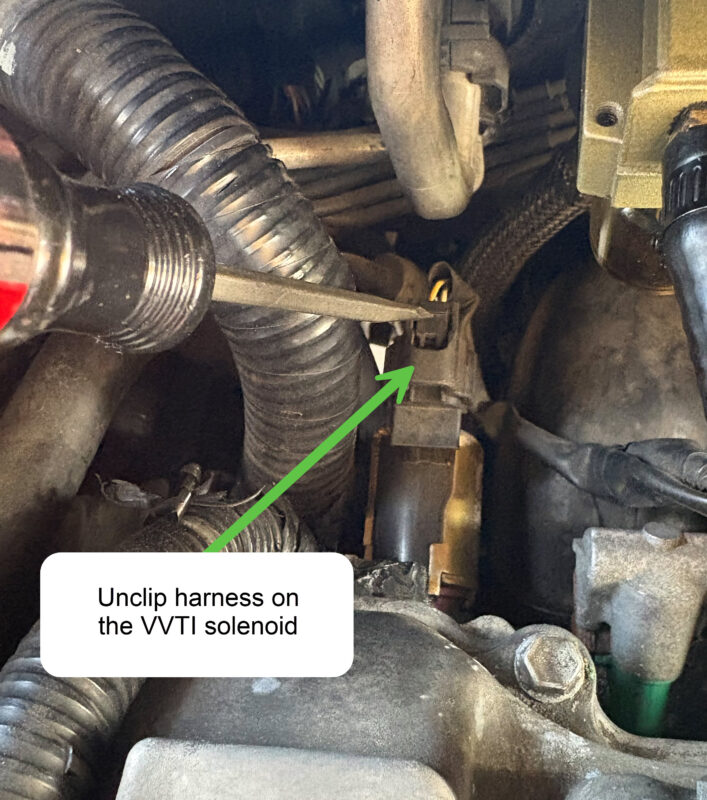
4. Remove the harness from the VVTI solenoid
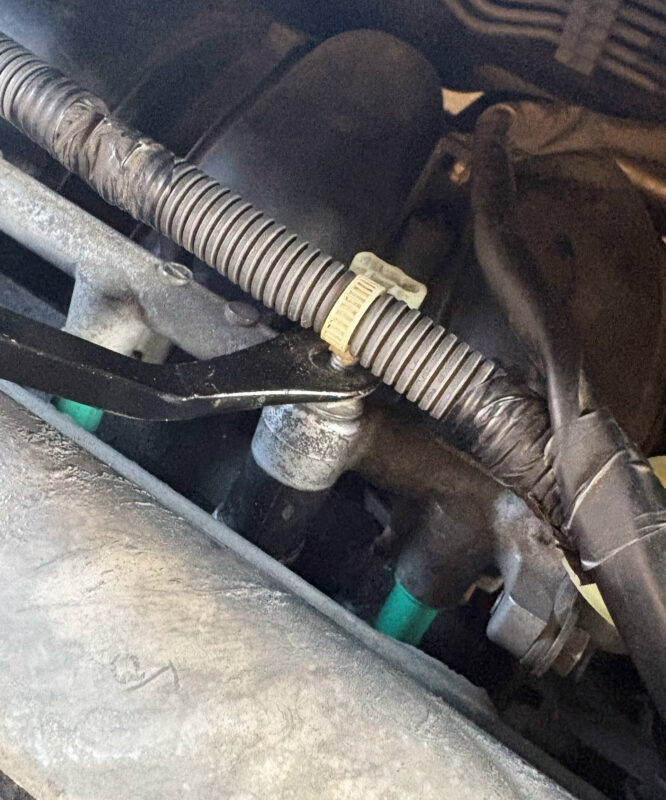
5. Pry off the 2 plastic fuel injector harness clips
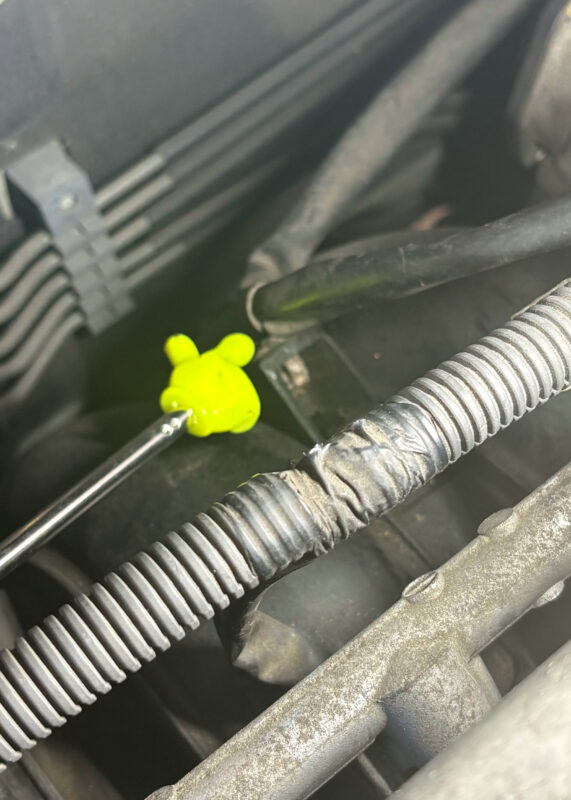
6. Unclip the harness clip at the intake manifold
7. Optional (remove or loosen two 10mm fuel pressure regulator bolts)
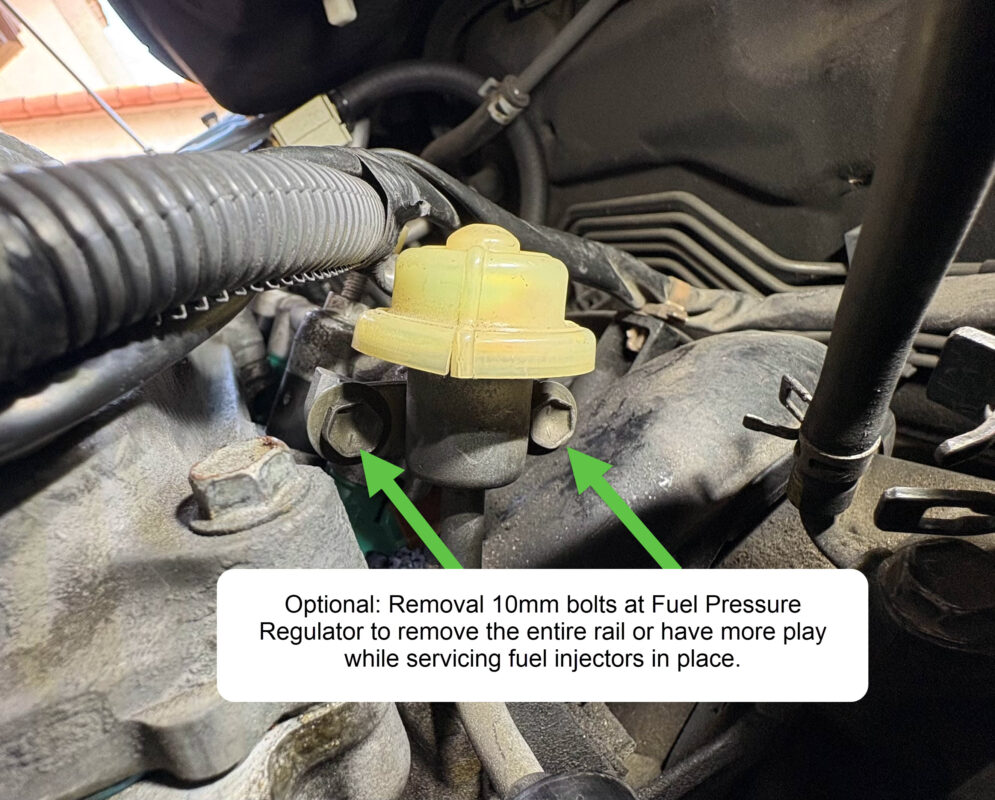
8. Loosen and remove the TWO 12mm BOLTS that secure the fuel rail
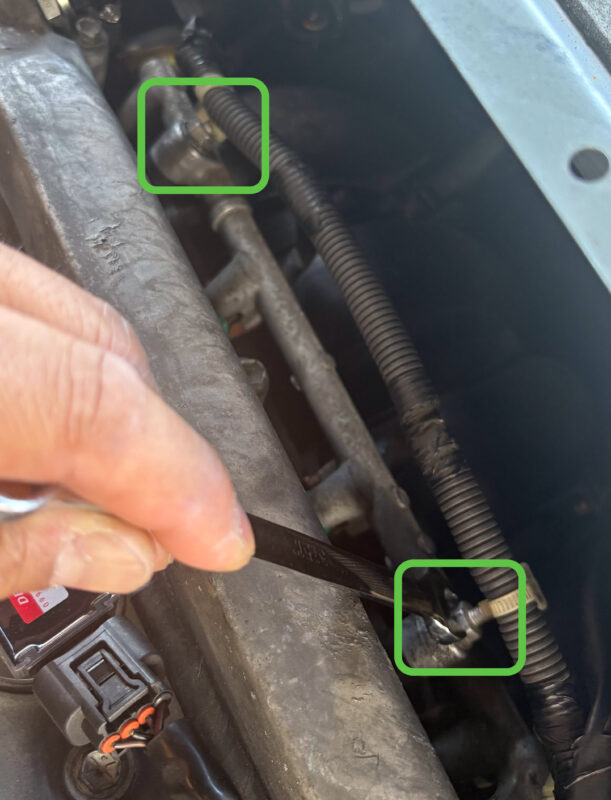
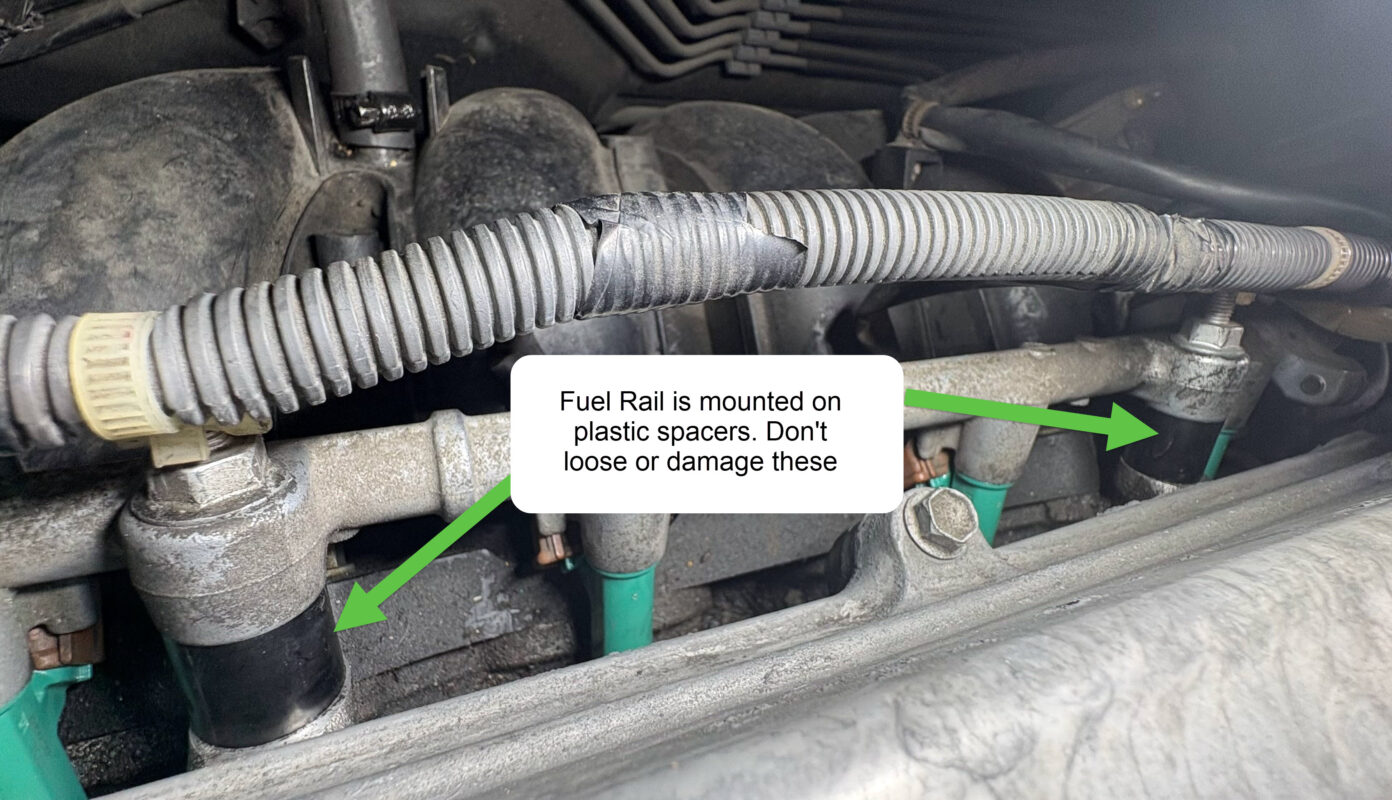
9. Don’t damage the plastic spacers
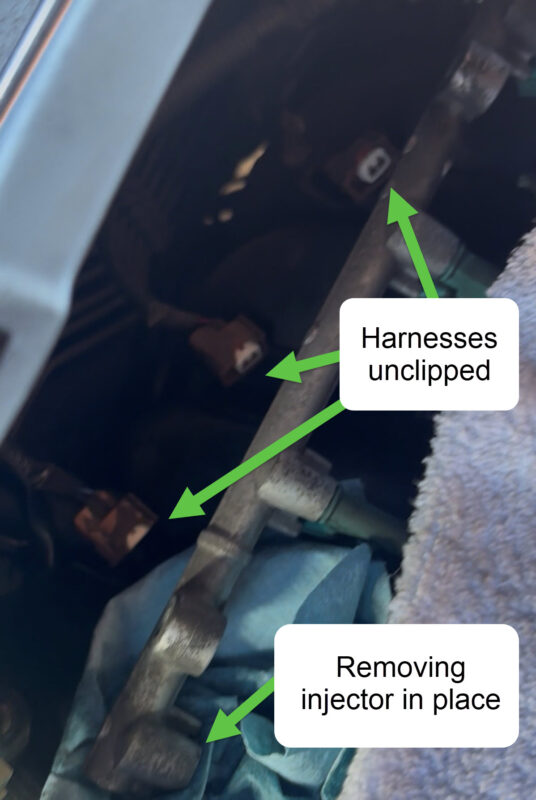
10. Unclip the brown harnesses, gently pull the injectors off the rail.
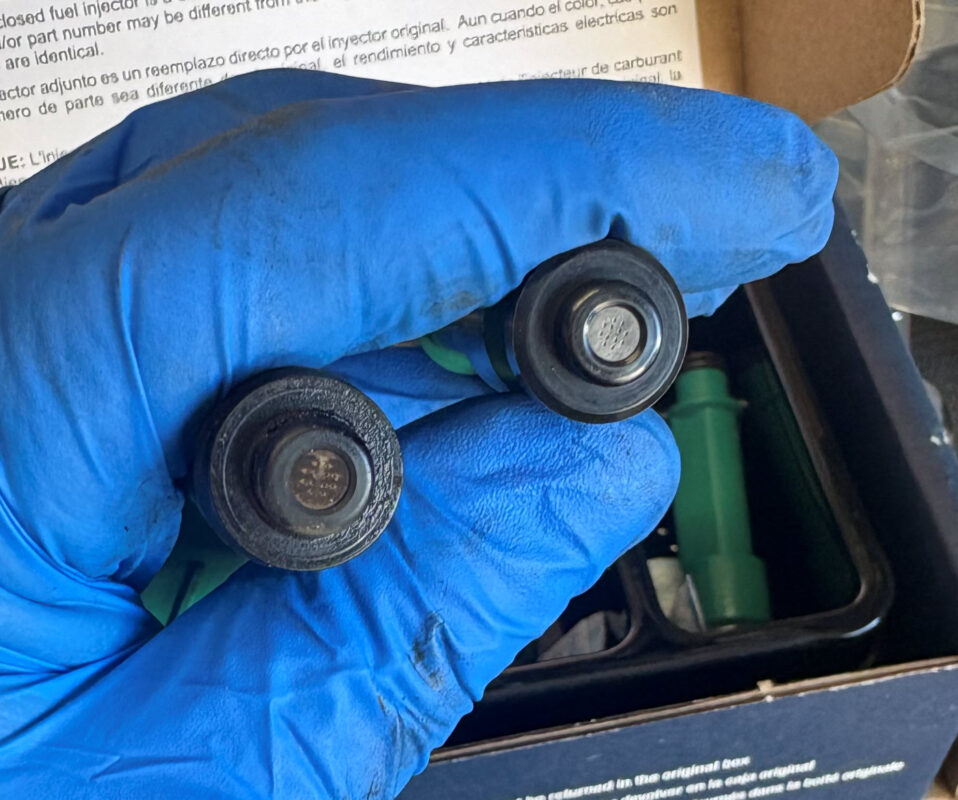
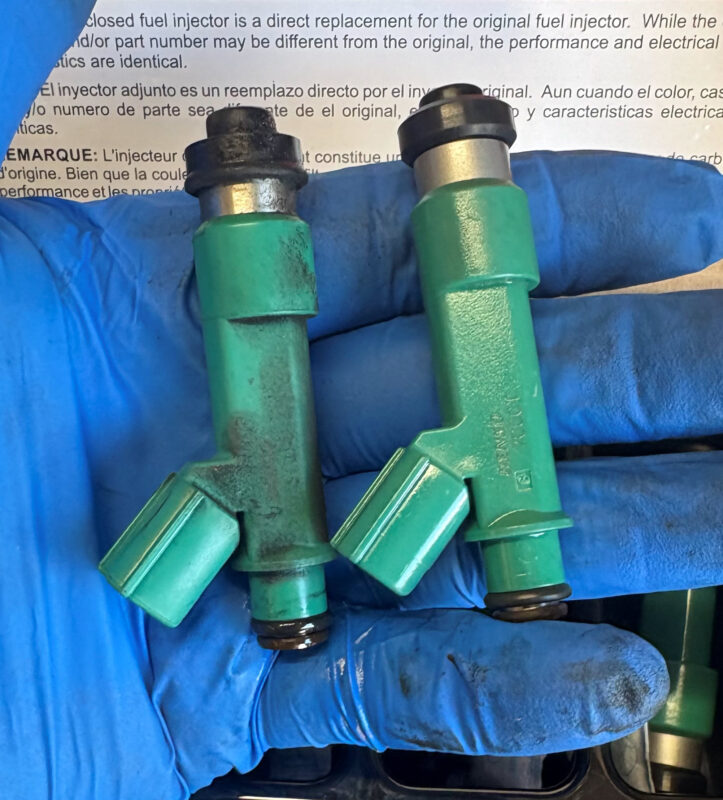
11. Reinstall reverse order
The Benefits of Getting Fuel Injectors Bench Flow Tested, Cleaned, and Resealed
Modern engines rely on precise fuel delivery, and the fuel injectors play a vital role in maintaining optimal performance, efficiency, and reliability. Over time, even small amounts of carbon buildup, varnish, or wear can significantly affect how your injectors spray fuel. That’s why having your fuel injectors bench flow tested, cleaned, and fitted with new seals can make a major difference in how your engine runs.
1. Restores Proper Fuel Atomization
Fuel injectors are designed to deliver a fine mist of fuel at exact pressures and patterns. When they become dirty or partially clogged, the spray pattern can distort, leading to uneven combustion and reduced power. Bench flow testing allows technicians to measure each injector’s flow rate and pattern under controlled conditions, identifying weak or inconsistent injectors. Once cleaned using ultrasonic methods and specialized detergents, injectors can regain their factory-level atomization, improving throttle response and combustion efficiency.
2. Improves Fuel Economy and Power
When injectors are restricted, the engine often compensates by running richer, using more fuel than necessary. Clean, properly balanced injectors ensure that each cylinder receives the correct amount of fuel. The result is smoother acceleration, improved torque, and better miles per gallon. Drivers often notice a return of lost horsepower and more consistent engine performance after professional servicing.
3. Reduces Emissions and Engine Stress
Dirty injectors don’t just hurt performance—they also increase unburned fuel and harmful emissions. Restored spray patterns promote cleaner combustion, reducing carbon buildup on valves and pistons. This, in turn, lowers exhaust emissions and helps maintain catalytic converter efficiency. Balanced injectors also help prevent lean or rich cylinders that can stress engine components or cause knocking.
4. Prevents Leaks and Future Failures
Replacing injector seals, O-rings, and filters during service is just as important as cleaning. Old or hardened seals can allow air leaks or fuel seepage, which may lead to misfires or safety risks. New seals ensure a proper fit and maintain the correct fuel pressure, preventing potential leaks down the road.
5. Cost-Effective Maintenance
Compared to replacing injectors outright, professional bench testing and cleaning is a cost-effective way to extend their life. It’s an excellent preventive maintenance step—especially for high-mileage vehicles or those running ethanol-blended fuels.
