
Somewhere right now, a 23-year-old with a blacked-out Scion tC and a half-eaten Taco Bell bag in the passenger seat is turning their key and getting nothing. The dash lights up. The radio still works. But the engine? The engine has decided today is not the day.
Before you call your dad, your mechanic, or that one friend who “knows about cars” but mostly just watches YouTube, take a breath. Because every mechanic, tech, and grease-stained veteran of the automotive industry will tell you the same thing your grandfather would’ve said staring at a busted tractor:
Fuel. Air. Spark.
That’s it. That’s the whole game. Everything else is just figuring out which one of those three is being a drama queen today.
FUEL: Yes, Check the Gauge First. We’re Not Above It.
Let’s start with the most humbling diagnosis on the list. Before you pop the hood, roll under the car, or spend any money at all — look at your fuel gauge. I’m not accusing you. I’m asking. The tC gets 23–30 MPG, has a 14.5-gallon tank, and still somehow has an entire owner community that has run it dry at least once.
Assuming you have gas, the tC uses a returnless fuel injection system with an in-tank fuel pump that pressurizes the fuel rail so the injectors can deliver a precise, atomized mist into each cylinder. When any part of that chain goes wrong, your engine cranks enthusiastically but refuses to fire — like a musician who shows up to the gig but forgot their instrument.
Here’s what to check on the tC specifically:
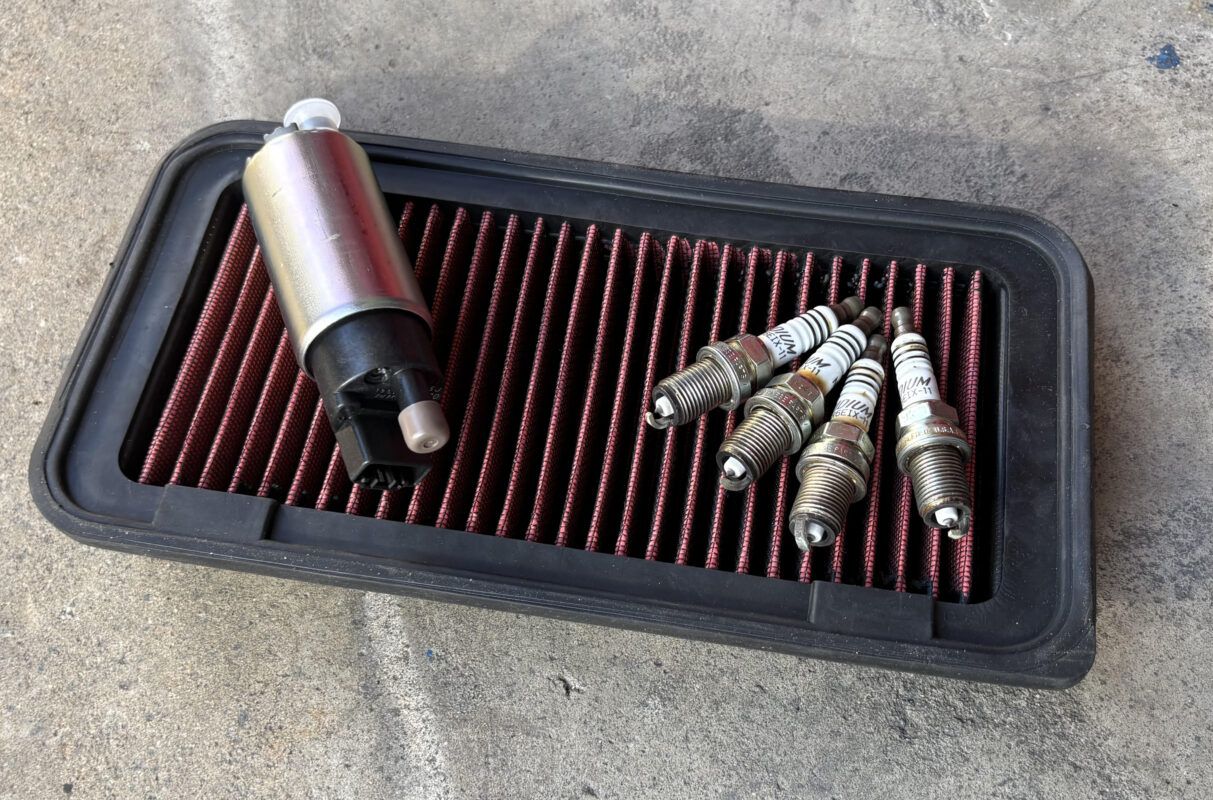
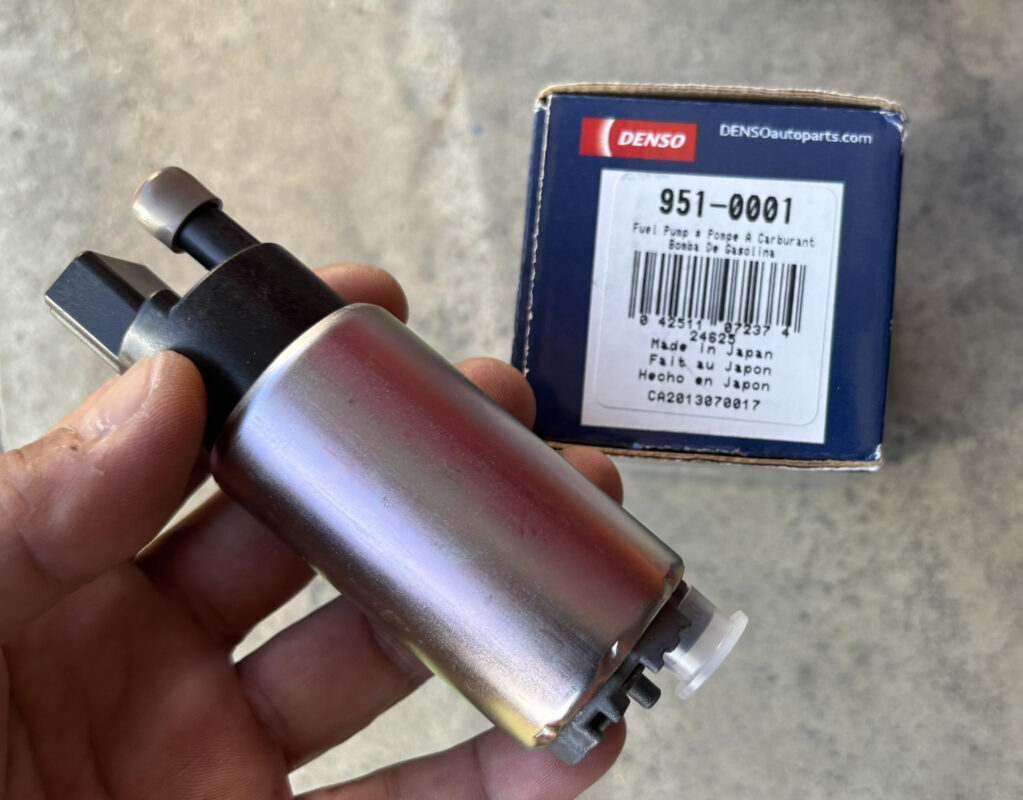
The Fuel Pump. Turn your key to the ON position — not crank, just ON — and listen. You should hear a faint whirring hum for about two seconds as the pump primes the fuel rail. Hear it? Great. Dead silence? You likely have a bad fuel pump. On the 2005-2010 Scion tC, the fuel pump lives under the rear seat cushion. Just pop it up. Budget around $80–150 for a quality aftermarket unit, and yes, you can do this yourself with basic tools and a moderately stressful Saturday afternoon.
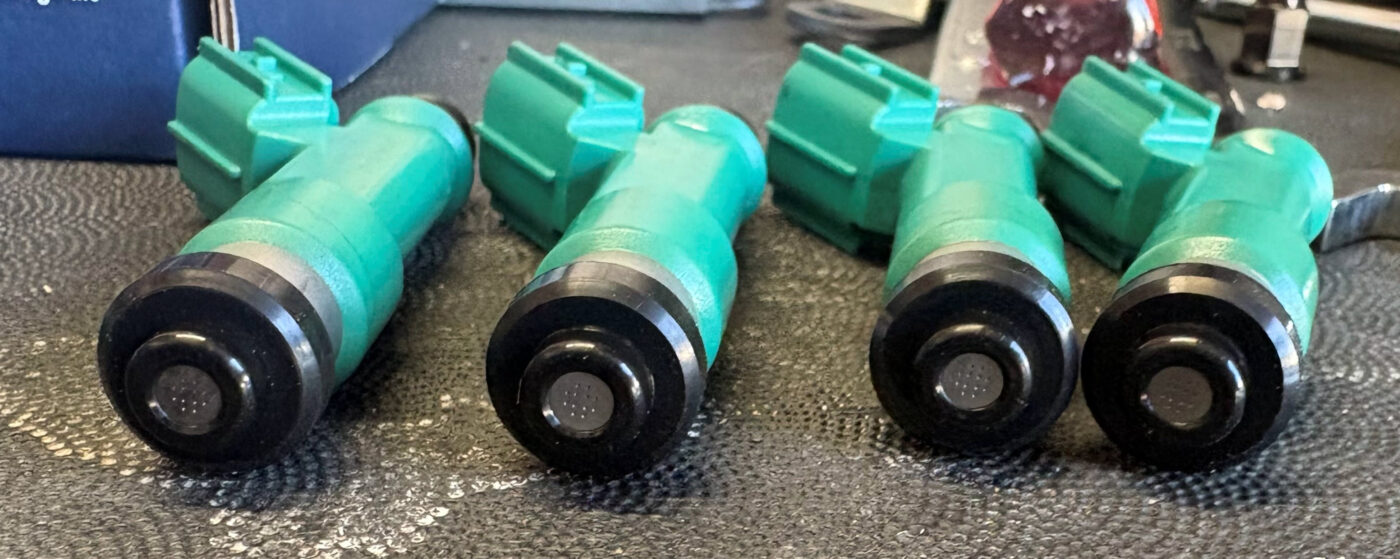
The Fuel Injectors. If the car starts but runs rough, stumbles, or smells like it’s drowning in gasoline, you may have dirty or failing injectors. The 2AZ-FE’s fuel injectors are pretty robust, but they hate sitting. If your tC was parked for months before you bought it, the injectors may have varnish buildup. A bottle of fuel injector cleaner in the tank is your first move. It costs $8 and makes you feel like you did something.
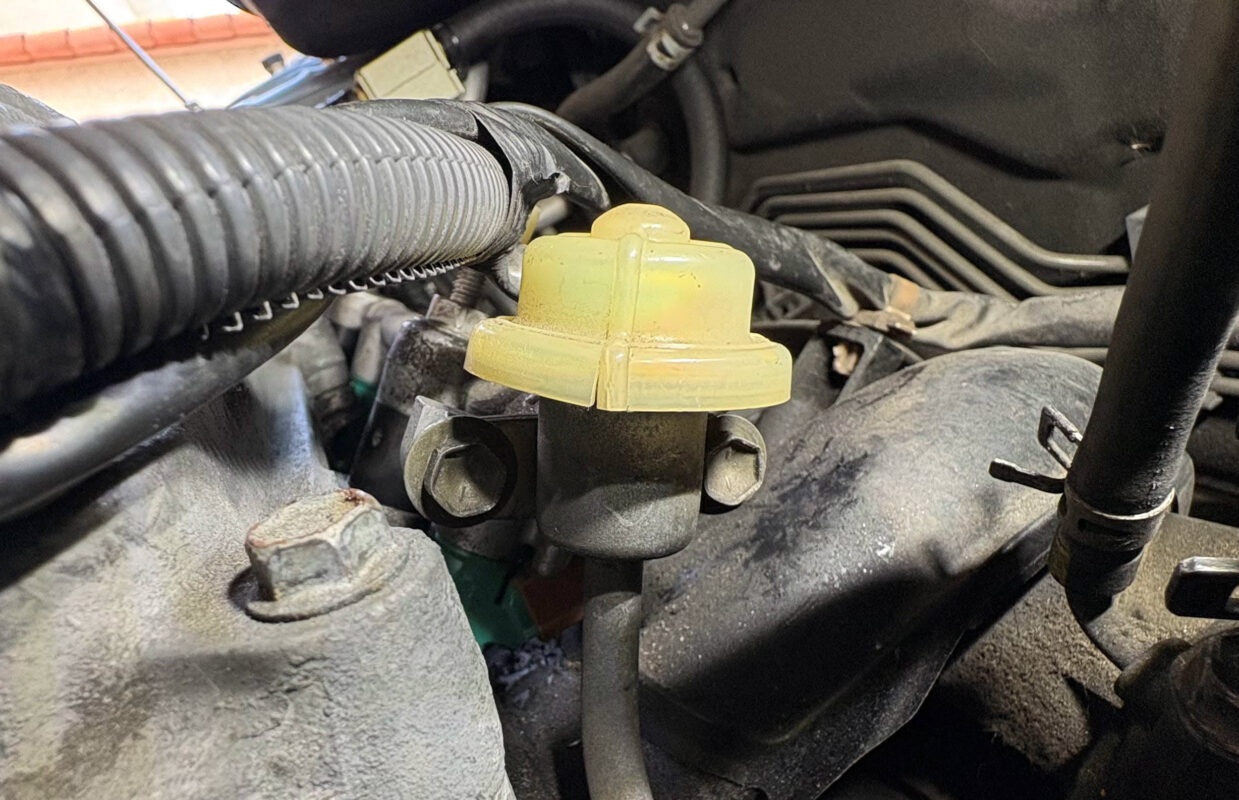
The Fuel Pressure Regulator. Here’s a tC-specific quirk to know: if your car starts fine when cold but refuses to start after it’s been sitting for 20–30 minutes after a hot drive — that’s called a hot-soak no-start, and it’s often the fuel pressure regulator bleeding down pressure after the engine shuts off. On the 2AZ-FE, the regulator lives on the fuel rail.
AIR: It’s Everywhere and Your Car Still Needs More of It
Air seems like the easy one. It’s free. It’s literally all around you. What could possibly go wrong? A surprising amount, it turns out.
The tC’s stock intake pulls fresh air from an intake elbow at the driver’s side fender — specifically designed to avoid ingesting hot engine air or, critically, water when you drive through a puddle.
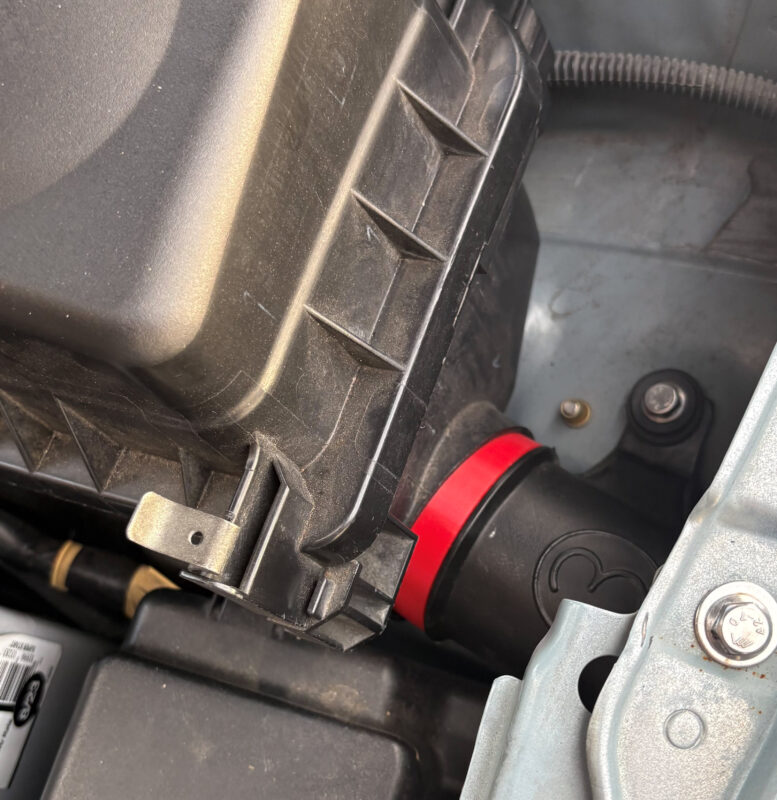
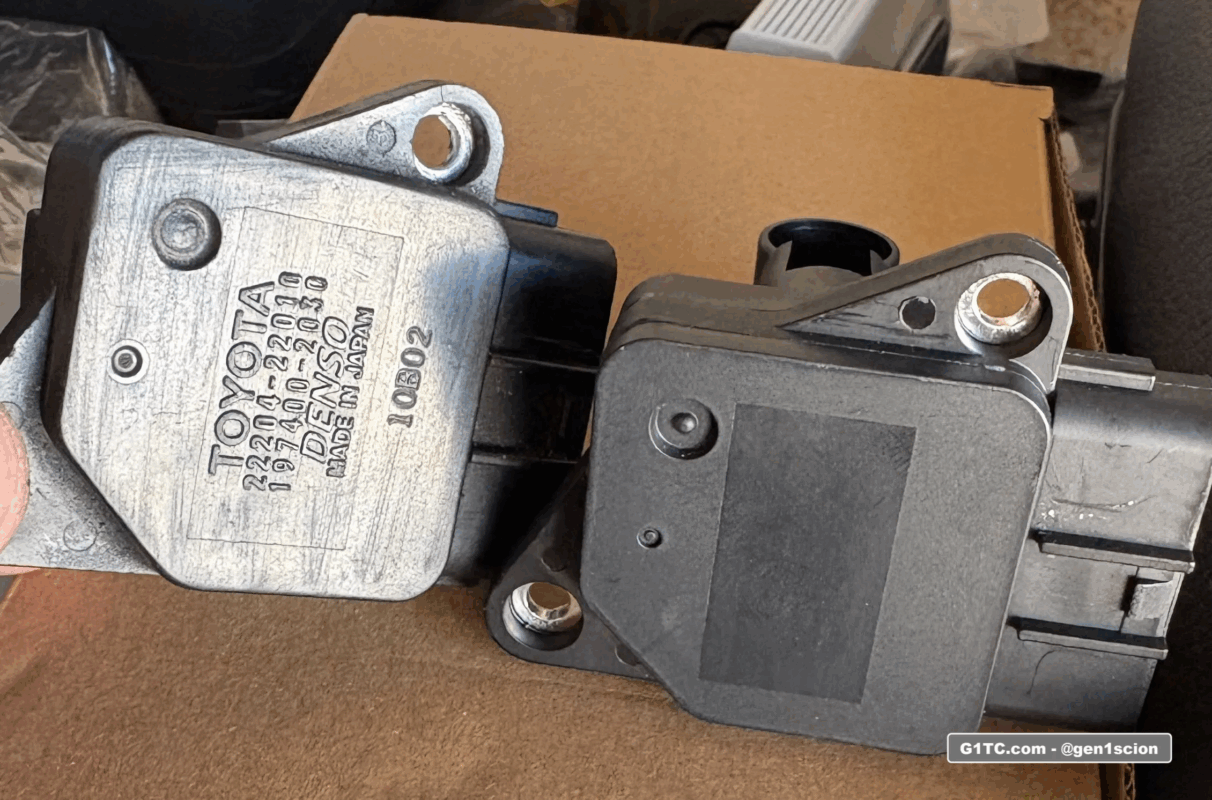
The Mass Air Flow (MAF) Sensor. This little sensor lives in your intake tube and measures exactly how much air is entering the engine so the ECU can calculate the right amount of fuel to inject. When it fails — or gets contaminated by an over-oiled aftermarket air filter (you know who you are) — the engine either runs terribly or refuses to start entirely. Here’s the good news: before you replace it, try MAF cleaner spray. Remove the MAF, Spray it on the sensor inside the tube, let it dry, reinstall. You’re welcome.
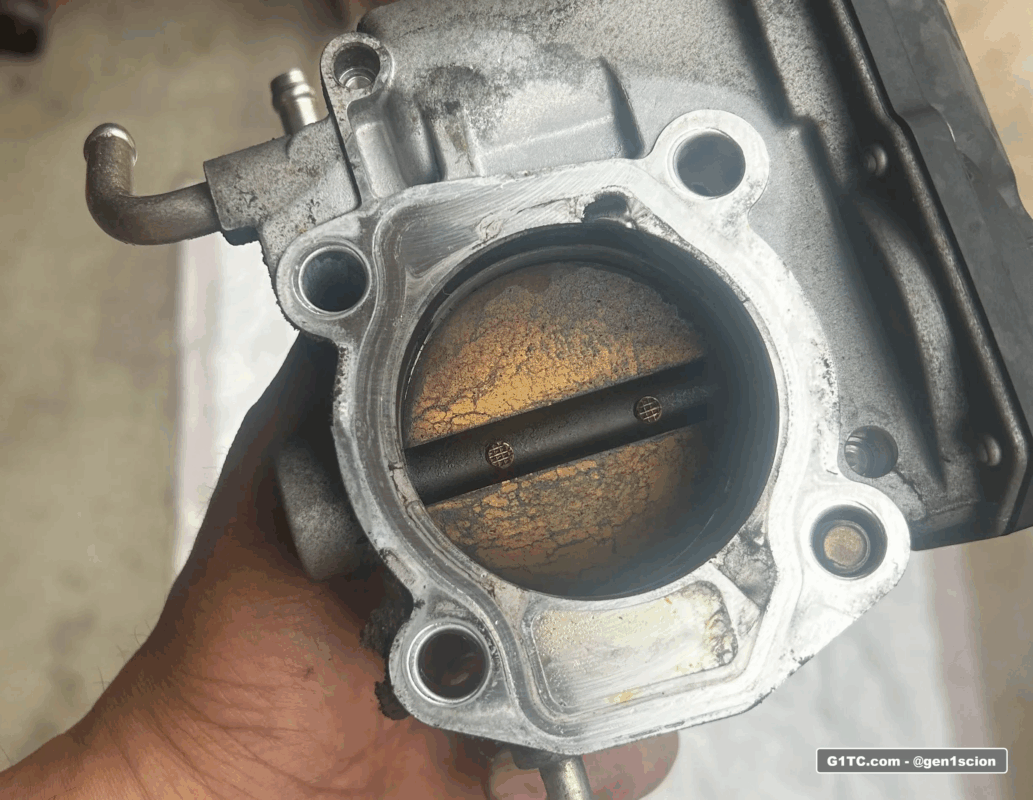
Throttle Body Carbon Buildup. The tC uses an electronic throttle control (ETC) — no cable, just sensors and a motor. Over time, carbon and oil vapor from the crankcase breather system coats the throttle plate and the bore of the throttle body. When it gets bad enough, the engine idles rough, stalls, or flat-out won’t run right. Pull the throttle body off, spray throttle body cleaner, wipe it down with a soft rag. Do NOT spray cleaner directly into the throttle body while the engine is running. That’s a YouTube video, not a repair procedure.
Vacuum Leaks. At 20+ years old, the rubber hoses and intake manifold gasket on your 2AZ-FE are living on borrowed time. A vacuum leak introduces unmetered air into the intake — air the MAF never measured and the ECU never planned for — which throws off the entire fuel calculation and can cause stalling, rough idle, and hard starts. The old-school trick: with the engine running, carefully spray carburetor cleaner around the intake manifold gasket, the vacuum hoses, and any rubber connectors. If the idle smooths out or stumbles when you hit a certain spot, you found your leak. The repair ranges from “free if you just clamp a loose hose” to “we need to talk about your weekend plans.”
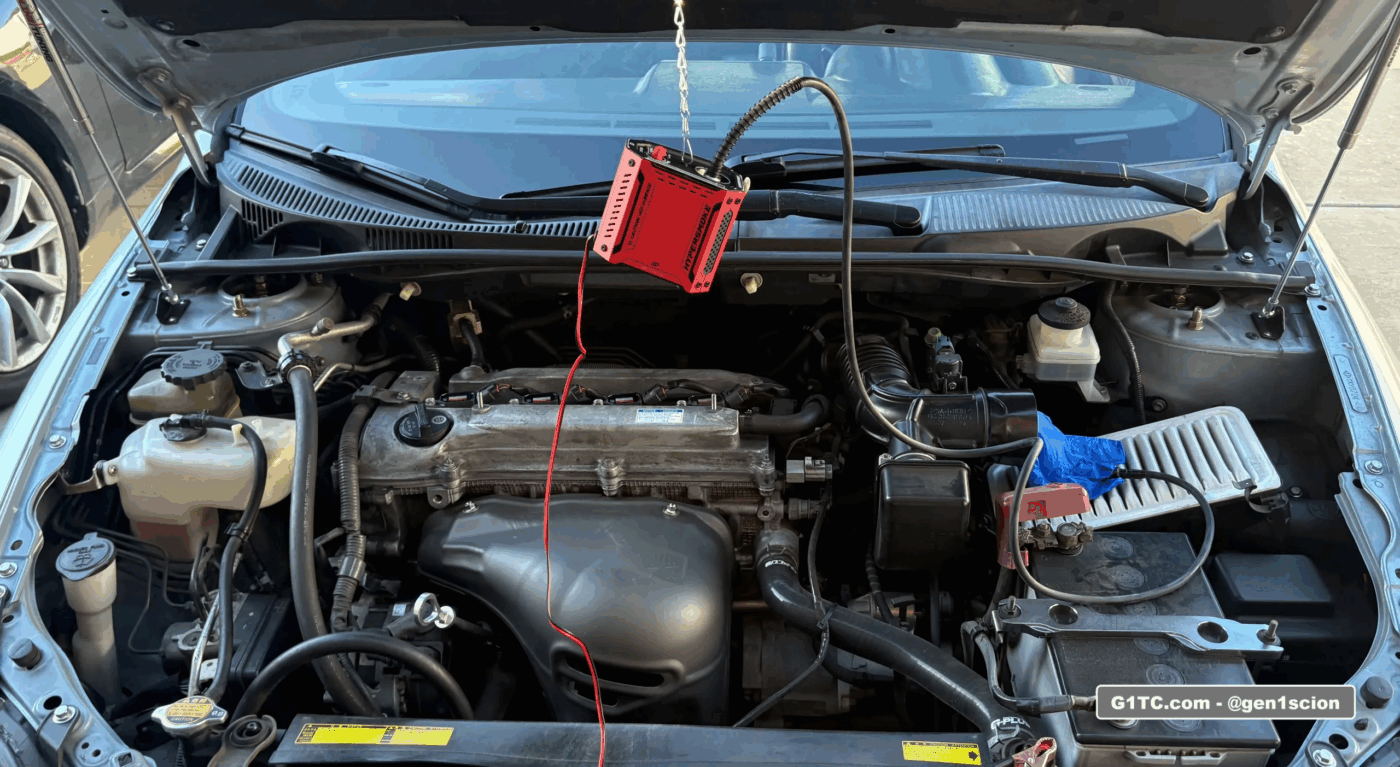
SPARK: The Dramatic Finale
Spark is where things get either wonderfully simple or remarkably expensive, with almost no middle ground.
The good news: the 2005–2010 tC uses a Coil-On-Plug (COP) ignition system. Four individual coil packs, one per cylinder, sitting directly on top of the spark plugs. No distributor cap. No plug wires. It’s elegant, modern, and means you only have to replace the components that are actually failing rather than the whole ignition system at once.
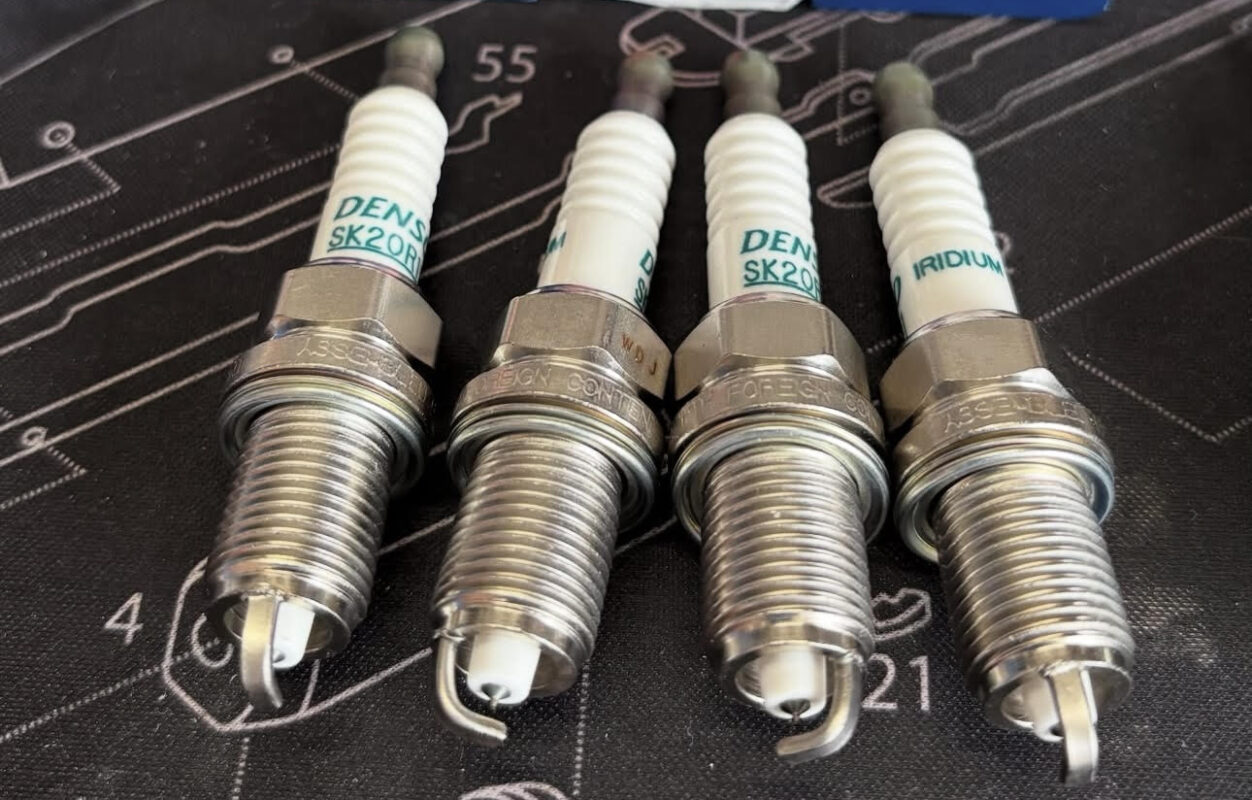
Spark Plugs. This is where we start because it’s cheap and often the entire answer. The 2AZ-FE is factory-specced for iridium spark plugs at 60,000-mile intervals. In practice, most used tCs arrive with plugs that were last changed somewhere between “a while ago” and “never.” Worn plugs cause misfires, hard starts, and a general reluctance to run. NGK Iridium plugs are the go-to choice — gapped to about 0.044 inches. Four plugs, maybe $30–40, 30 minutes with a 5/8″ spark plug socket. If you’ve never done it before, this is your first one. You’ll feel very accomplished.
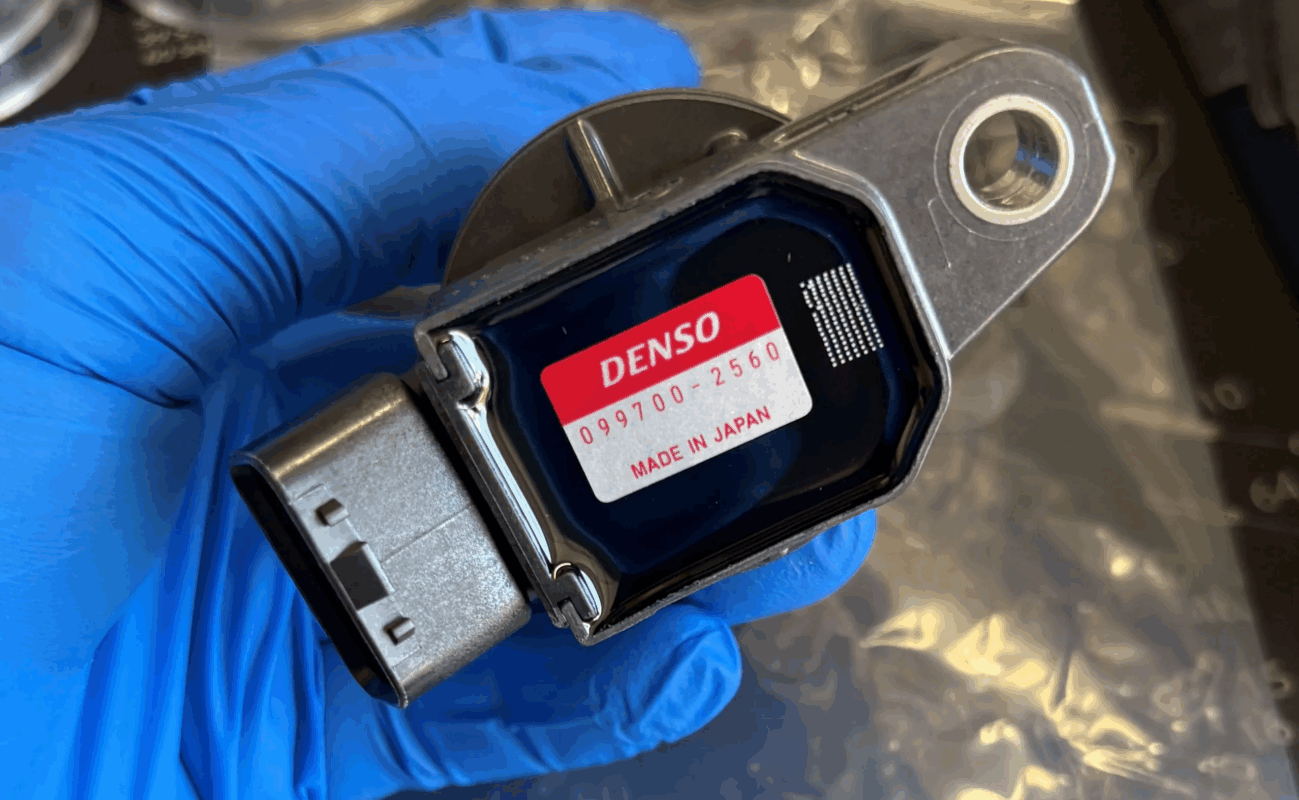
Ignition Coil Packs. Individual COP coils fail all the time on high-mileage engines, and the tC is no exception. A bad coil will cause a single-cylinder misfire — your check engine light will come on, and an OBD2 scanner will give you a code between P0351 and P0354 (the last number tells you which cylinder). Here’s a trick that costs nothing: swap the suspect coil with one from a different cylinder. If the misfire moves to the new cylinder, the coil is your culprit. If it stays put, the plug or injector is the problem. This is basically automotive detective work and it feels great. OEM Denso Replacement coils run about $65–75 each.
Crankshaft Position Sensor. This little sensor monitors the rotation of the crankshaft and tells the ECU exactly when to fire the spark and inject fuel. When it fails, the engine cranks perfectly and refuses to start — because from the engine’s perspective, it has no idea where it is in its rotation. It’s like trying to conduct an orchestra when the conductor is blindfolded. The part is about $20–30 and sits near the bottom of the engine block. Intermittent failures are common — the car starts fine sometimes and refuses others, which will drive you absolutely insane until you replace it.
Camshaft Position Sensor. The tC’s 2AZ-FE uses Variable Valve Timing intelligence (VVT-i) on the intake cam. The cam position sensor works alongside the crank sensor to fine-tune that timing. A failing cam sensor can cause stalling, rough running, or no-start conditions — and the oil control valve (OCV) that actuates the VVT-i system can get gummed up with sludge if the previous owner ran cheap oil on long intervals. If you bought a high-mileage tC and have no service history, do a full synthetic oil change immediately and say a small prayer over the valve cover.
Putting It All Together: The Three Questions
Next time your tC refuses to cooperate, work through these in order. Don’t skip ahead. Don’t assume. Cars are not dramatic — they’re logical.
Question 1: Does the engine crank? If you turn the key and hear rapid clicking or nothing at all, you have a battery or starter problem — not a fuel, air, or spark issue. Jump it. If it starts, replace the battery. The tC goes through cheap batteries like they’re a suggestion.
Question 2: Does it crank but not start? Now you’re in Fuel/Air/Spark territory. Listen for the fuel pump prime hum on key-on. Check for codes with a $25 OBD2 scanner. Pull a spark plug and check for fouling. Start cheap, work toward expensive.
Question 3: Does it start but run badly? Misfire codes point to spark. Lean codes (P0171) point to air or fuel. Rich codes point to fuel or a bad MAF. The ECU has been logging everything and it will tell you exactly what’s wrong if you plug in a scanner and listen.
The Closing Argument
The 2005–2010 Scion tC is fundamentally a Toyota with a cooler roofline, a panoramic moonroof, and an owner base that aged into adulthood somewhere between the first and second gen. It is not a complicated car. It does not require a degree. It requires the same patience you’d give a stubborn but lovable dog who won’t come inside during a thunderstorm.
Fuel. Air. Spark. Learn these three things and your tC will outlive your youth, several life decisions, and probably your next car. These engines go 300,000 miles when maintained. Yours can too.
Now go check the gas gauge first. Just in case.
