
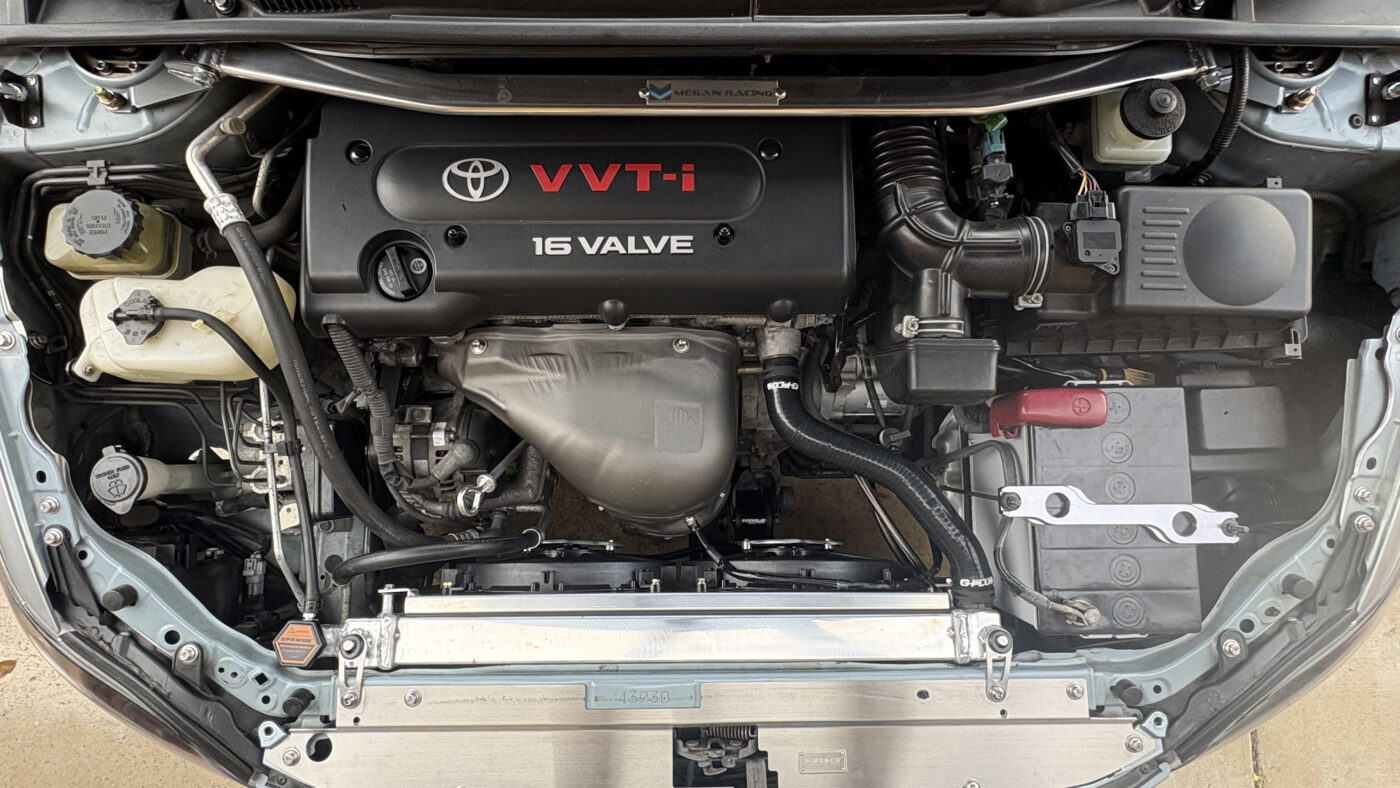
I personally run stock intake for daily driving
- The car is all of 160HP stock. I’m not getting anything out of an intake, period.
- The ECU on the Scion tC is known to relearn. Adding an intake will eventually return to normal air and fuel trim levels.
- Filters that require oiling can easily be over oiled and damange the MAF and Catalytic converter. This has happened to me twice before on a Toyota Tacoma.
I have tried Cold Air Intakes on the tC
I have tried both the TRD Cold Air Intake and the AEM Cold Air Intake. In both cases the were no noticable MPG gains. In fact my MPG was worse in city driving. Additionally, there was a tendancy for my throttle body to get really dirty faster than normal. There is also the risk of hyrdro-locking the engine if water gets in. For both of these setups I ran a dry cone filter (no oiling).
Click here for my writeup on the AEM Cold Air Intake CAI
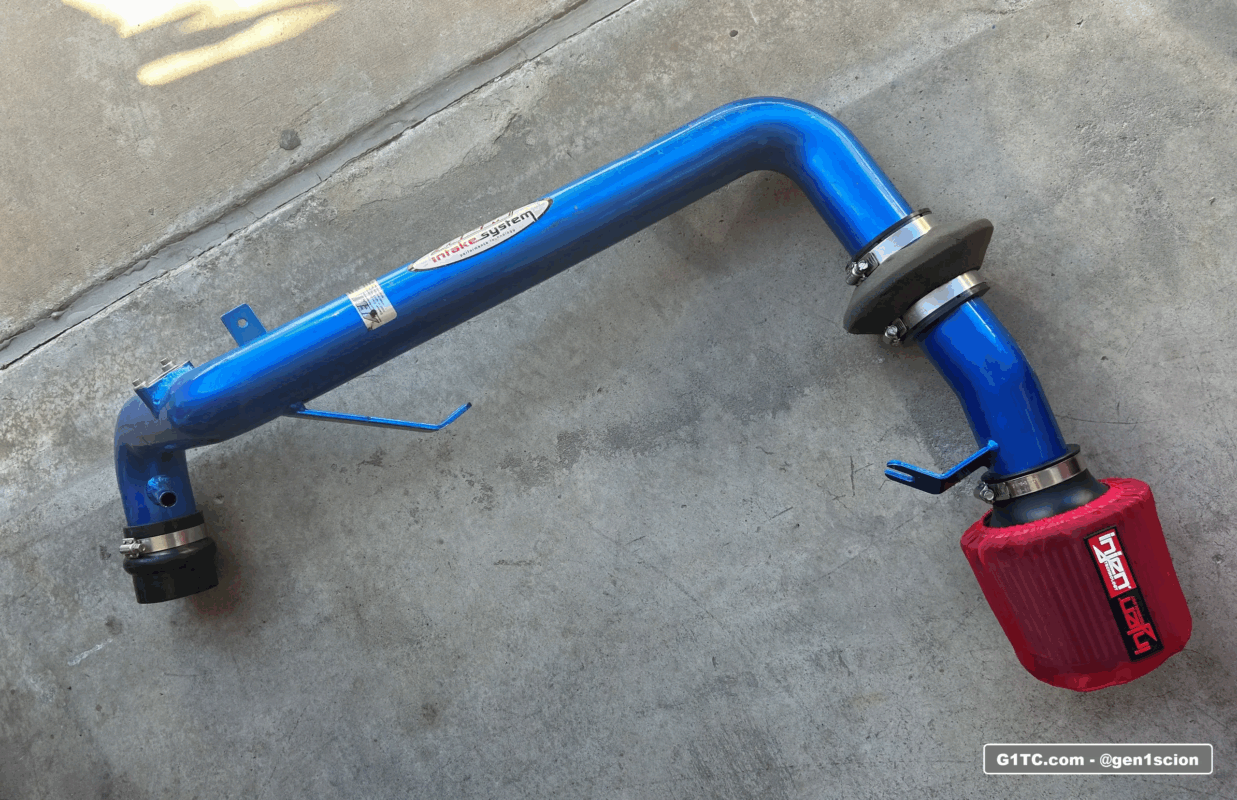
Click here for my writeup on the TRD Cold Air Intake CAI
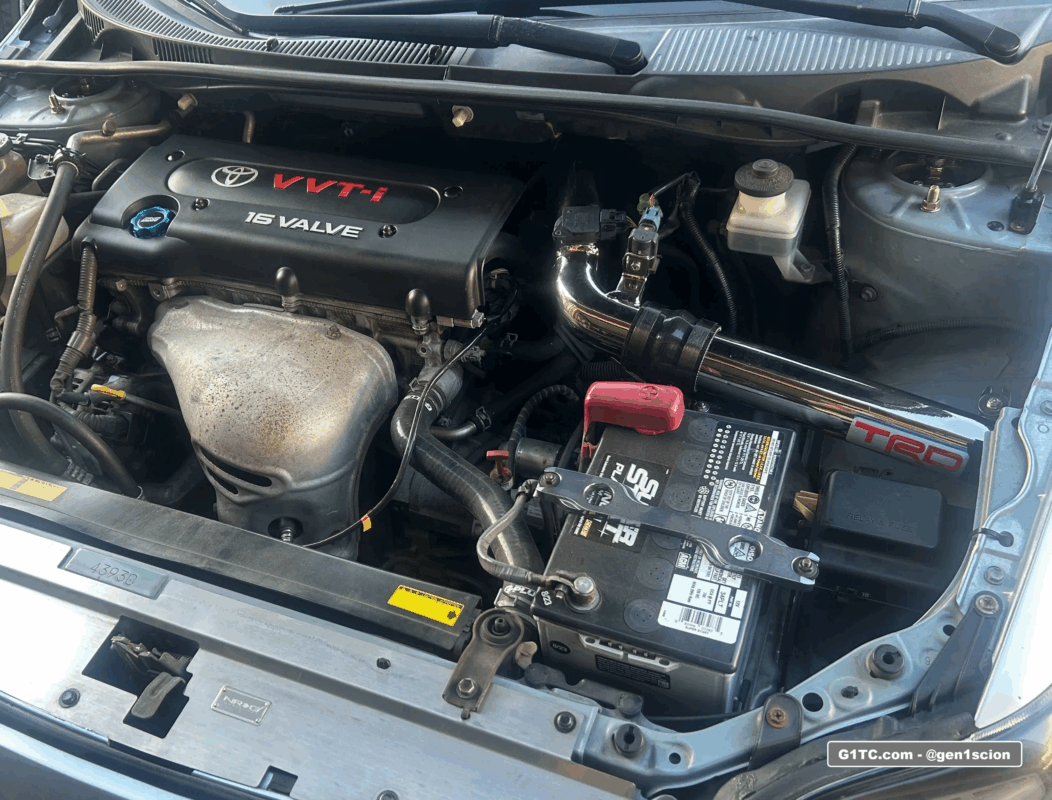
I keep these parts mostly for photoshoots, meetups, and Instagram photos but for daily driving, I run a stock air intake setup.
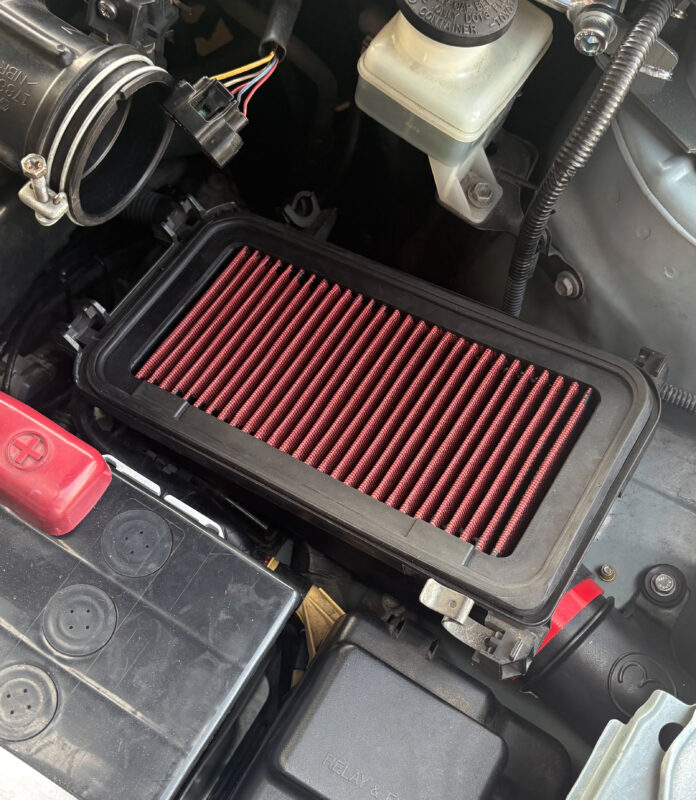
The stock air filter
K.I.S.S. Keep It Simple Stupid. I use a regular paper air filter, you can get a Bosch air filter for as little as $9.
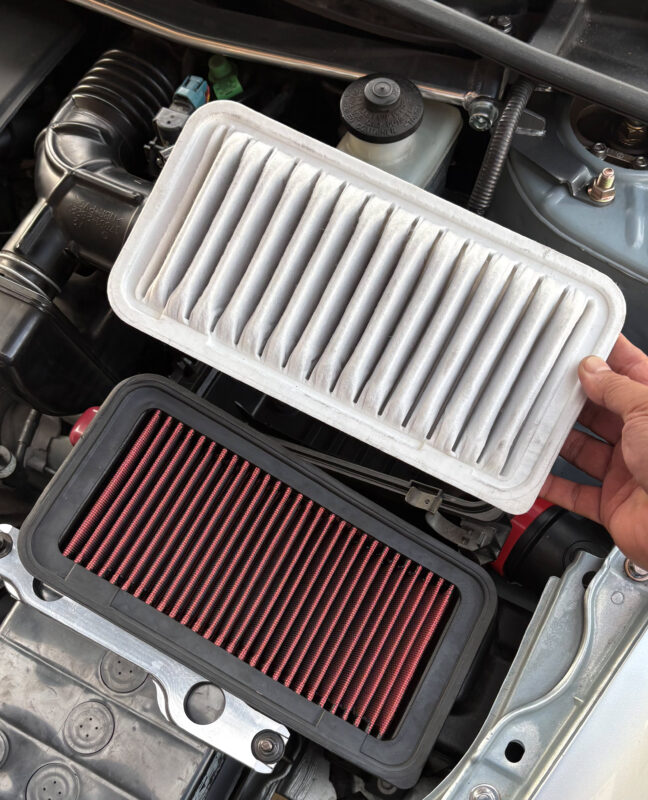
I also occassionally switch over to a drop in washable and reusable dry filter just for ease of maintenance. Wash, dry and reuse. Simple.
The charcoal filter
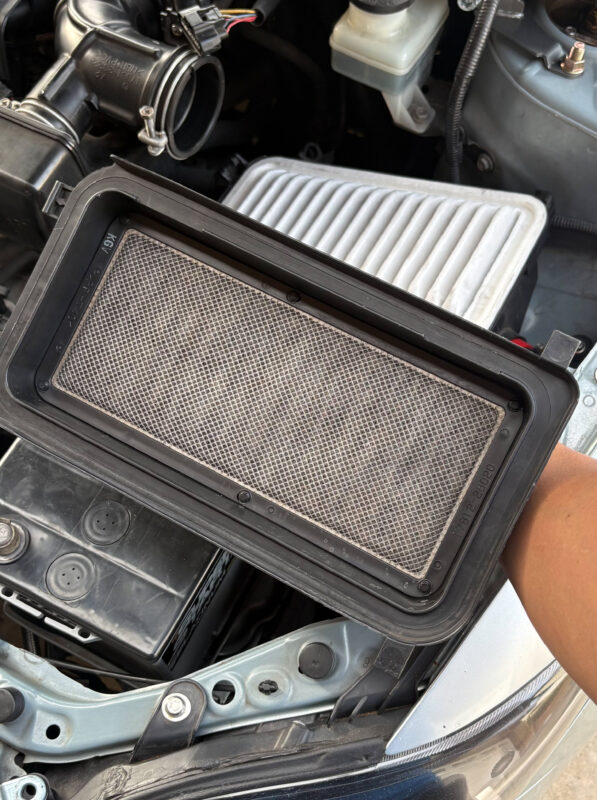
The upper airbox cover on the tC has a charcoal filter permanently affixed. Many OEM air intake boxes include a built-in charcoal (carbon) filter layer. This charcoal element is designed to absorb fuel vapors and hydrocarbons that can migrate backward through the intake tract, especially during hot soak conditions after the engine is shut off. By trapping these vapors, the charcoal layer helps reduce evaporative emissions and prevents raw fuel smells from escaping into the engine bay or cabin.
The charcoal filter also helps with airflow conditioning. It smooths and stabilizes incoming air before it reaches the mass air flow (MAF) sensor, helping ensure accurate airflow readings. Consistent airflow data allows the ECU to maintain proper air-fuel ratios, which improves drivability, idle quality, and fuel economy.
While many aftermarket intakes remove this layer in the name of airflow, OEM engineers include charcoal filters to balance performance, emissions compliance, and long-term reliability. If you remove the charcoal filter the Scion tC ECU will simply relearn and adjust the air and fuel trims accordingly. There’s nothing really to gain by removing it.
The air / noise baffle
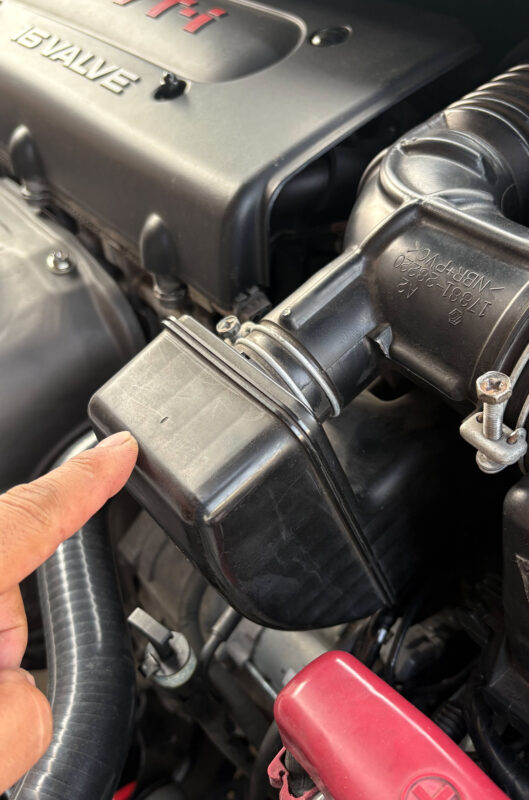
The main purpose of the air baffle is air flow management and noise reduction. It dampens intake roar and resonance, keeping the vehicle quieter and more refined during daily driving. In some designs (not the tC), the baffle also helps trap heavier debris or moisture before it reaches the air filter element.
Although removing the baffle may slightly increase intake sound, it won’t produces meaningful power gains on Scion tC. Your ECU will simply relearn and adjust. OEM manufacturers include air baffles to balance airflow efficiency, sensor accuracy, emissions compliance, and drivability. For most street-driven vehicles, keeping the factory air box and its internal baffle results in smoother operation and more consistent engine performance over the long term.
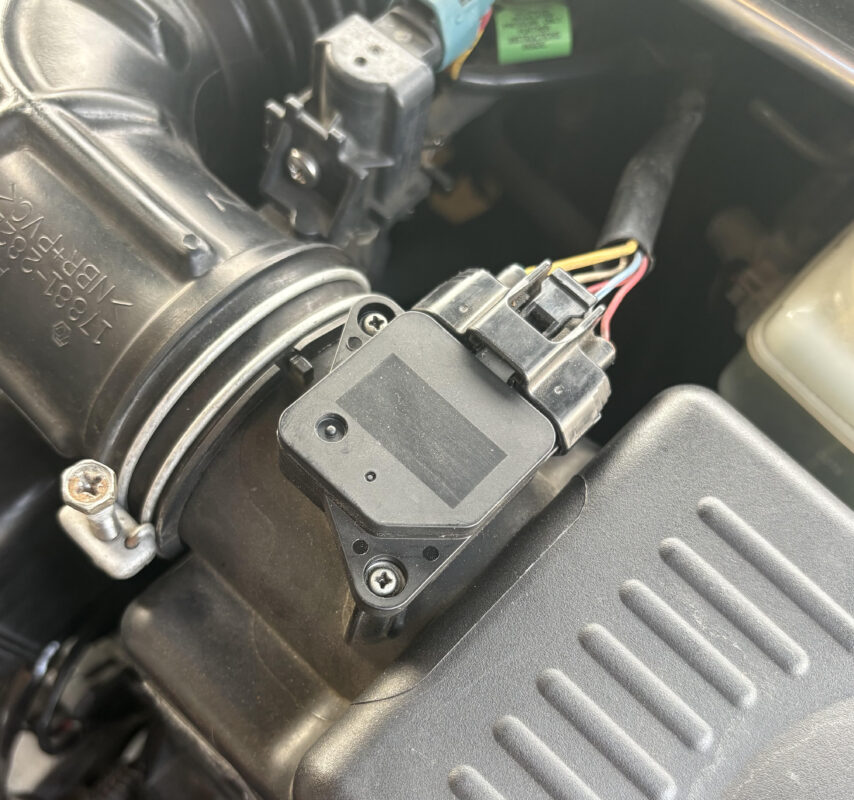
The MAF Mass Air Flow Sensor
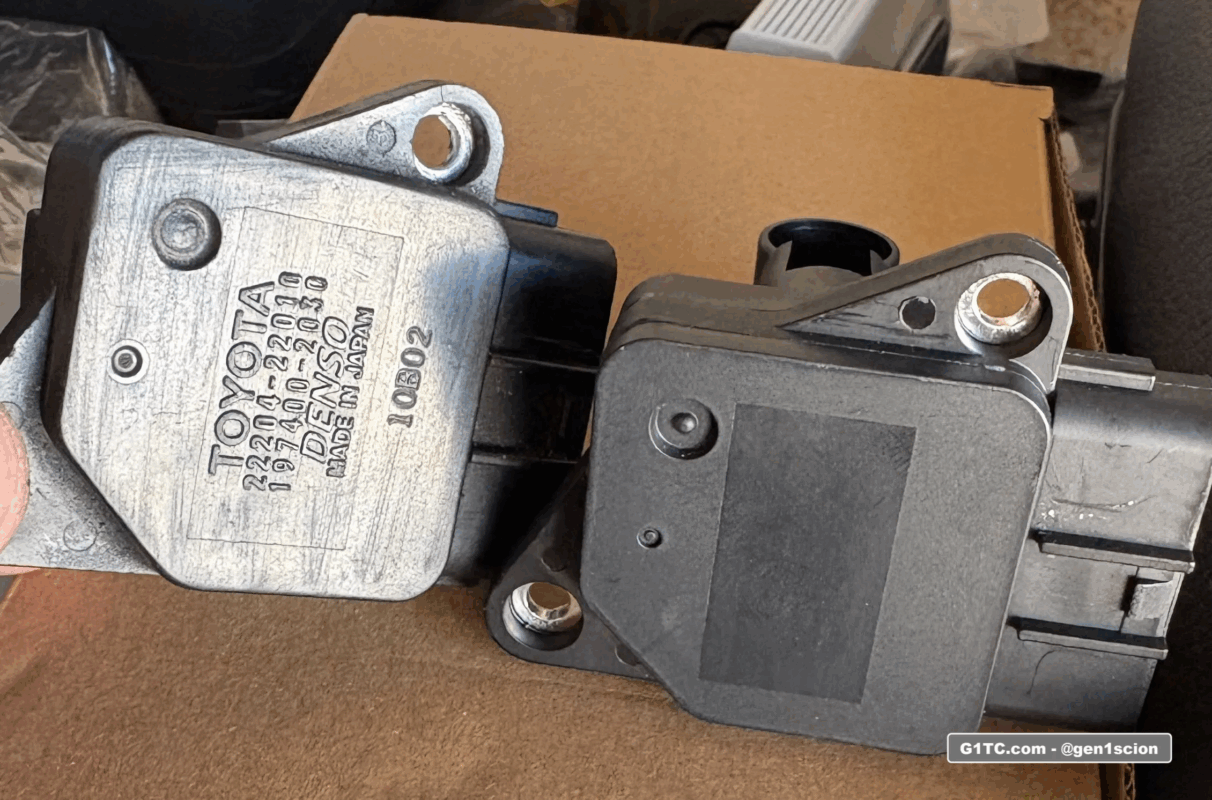
Surprise Surprise, I’m running a basic non-OEM MAF sensor and it works fine. I’ve been running this for almost a year now. If you’re looking to save money over OEM, I can say this aftermarket replacement MAF has worked well so far.
The stock air intake elbow
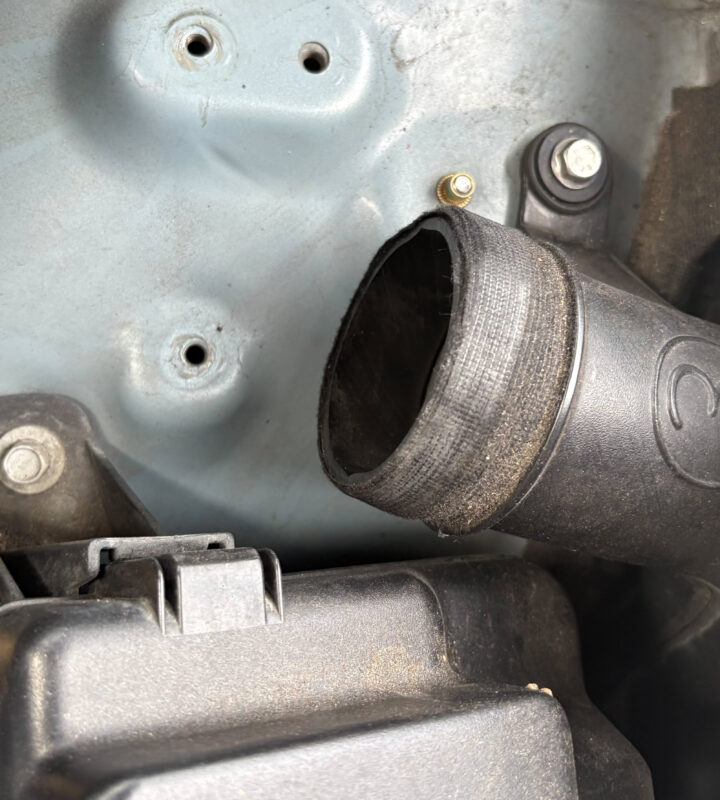
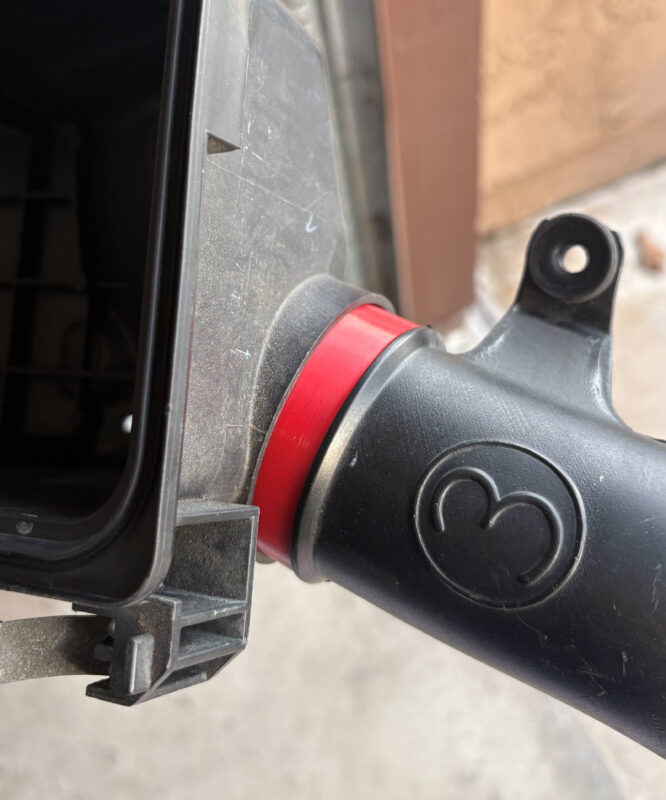
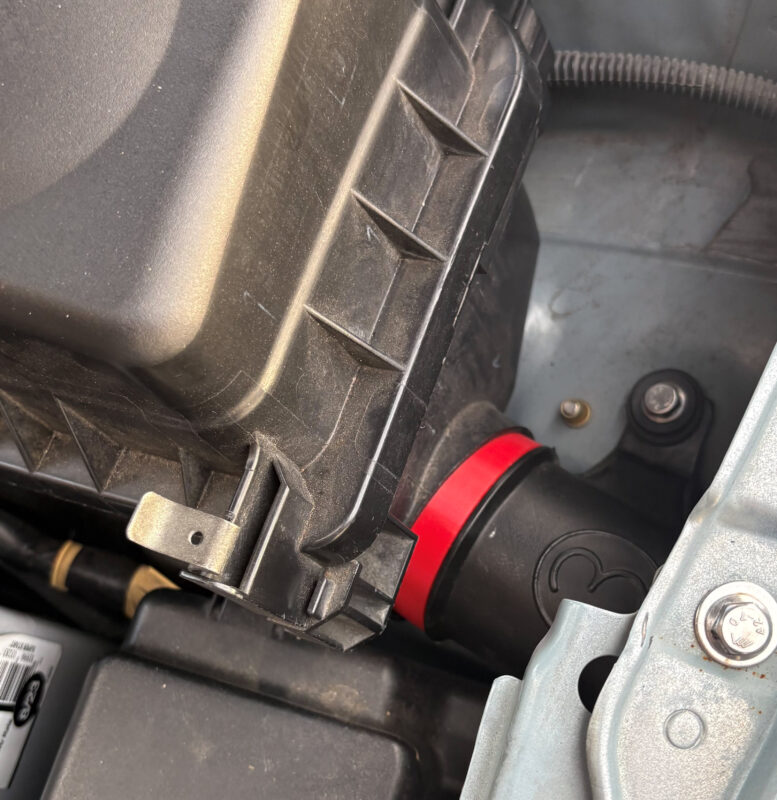
The stock air intake elbow attempts to provide “fresh” air to the air intake box. While this is good in practice, I’ve seen this removed with no ill consequences. From an attention to detail perspective, I leave mine on. I’ve replaced the worn OEM gasket with a 95a TPU 3D printed part.
Sometimes, the best upgrade is knowing when not to upgrade.
Aftermarket oiled air filters are often marketed as an easy performance upgrade—more airflow, more power, better throttle response. But for most modern vehicles, especially daily drivers, oiled air filters can do more harm than good. In fact, they’re a common cause of drivability issues, check engine lights, and even long-term emissions damage.
If your vehicle uses a Mass Air Flow (MAF) sensor, switching to an oiled filter can create problems that outweigh any theoretical gains. Here’s why sticking with OEM-style paper filters or dry performance filters is almost always the smarter choice.
How Oiled Air Filters Actually Work
Oiled air filters rely on a sticky oil coating to trap dirt and debris as air passes through the filter media. In theory, this allows for higher airflow with adequate filtration.
The problem isn’t the concept—it’s how that oil behaves once it’s in your intake system.
Over time (and especially when over-oiled), tiny oil particles get pulled off the filter and carried downstream into the intake tract. On vehicles equipped with a MAF sensor, that oil has only one place to go.
Why MAF Sensors Hate Oiled Filters
The MAF sensor measures incoming air by using a heated element that relies on clean, unobstructed airflow. When oil vapor coats that sensor:
- The sensor misreads airflow
- The ECU compensates by adjusting fuel delivery
- Fuel trims go negative (running rich)
- You get check engine lights like P0172 (system too rich)
Even a thin oil film can throw readings off enough to cause rough idle, Poor fuel economy, hesitation, hard starts, or repeated CELs. Cleaning the MAF may temporarily fix the issue, but if the oiled filter stays in place, the problem usually comes back.
How a Bad MAF Can Damage Your Catalytic Converter
Here’s where things get expensive.
When the MAF sensor sends incorrect airflow data, the ECU often adds more fuel than necessary. That extra fuel doesn’t just disappear—it goes out the exhaust.
Over time, running rich can:
- Overheat the catalytic converter
- Cause fuel to burn inside the cat
- Melt or degrade the catalyst material
Catalytic converters are designed to clean exhaust gases, not act as combustion chambers. Once damaged, replacement costs can range from hundreds to thousands of dollars depending on the vehicle.
All from an air filter that promised “free horsepower.”
The Over-Oiling – It’s More Common Than You Think
Most oiled filters require periodic cleaning and re-oiling. This is where many issues start. Common mistakes:
- Applying too much oil
- Not letting the oil wick properly
- Reinstalling the filter too soon
- Uneven oil distribution
Even when done “correctly,” oil migration can still happen—especially in stop-and-go driving or hot climates.
OEM and Dry Filters: Boring, Reliable, Effective
OEM-style paper filters and modern dry performance filters don’t have these problems.
Benefits of OEM-style or dry filters:
- No oil to contaminate sensors
- Consistent airflow readings
- Better long-term reliability
- Lower maintenance effort
- Safer for emissions components
Modern OEM filters are far more efficient than people realize. Unless your engine is heavily modified and tuned specifically for airflow changes, the factory-style filter is rarely a bottleneck.
Dry performance filters offer a middle ground: improved airflow without oiling risks.
Oiled air filters are simply not worth the risk
For daily drivers, commuters, and lightly modified cars:
- Stick with OEM paper filters
- Or use a quality dry performance filter
- Avoid oil near your intake sensors entirely
You’ll get:
- Fewer check engine lights
- Better fuel economy
- Longer catalytic converter life
- Less maintenance hassle
