
Create Threaded Mounting Points Anywhere
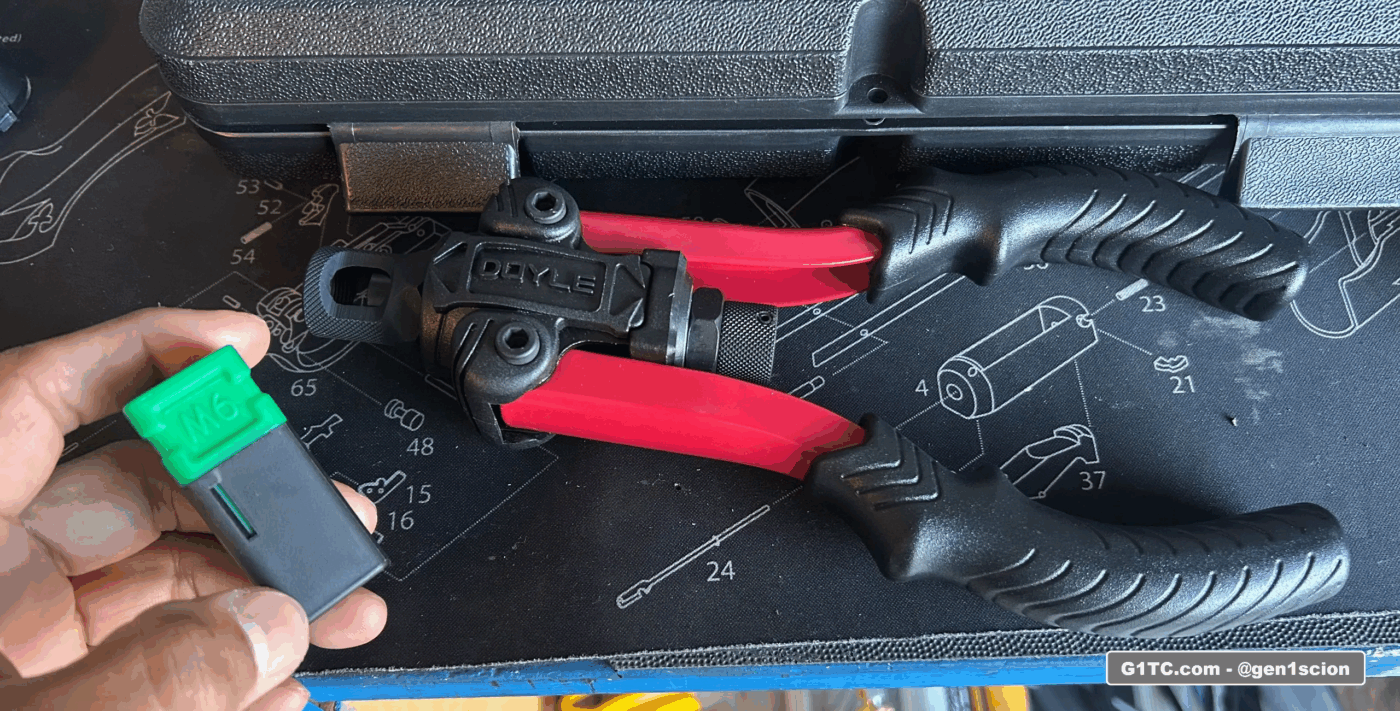
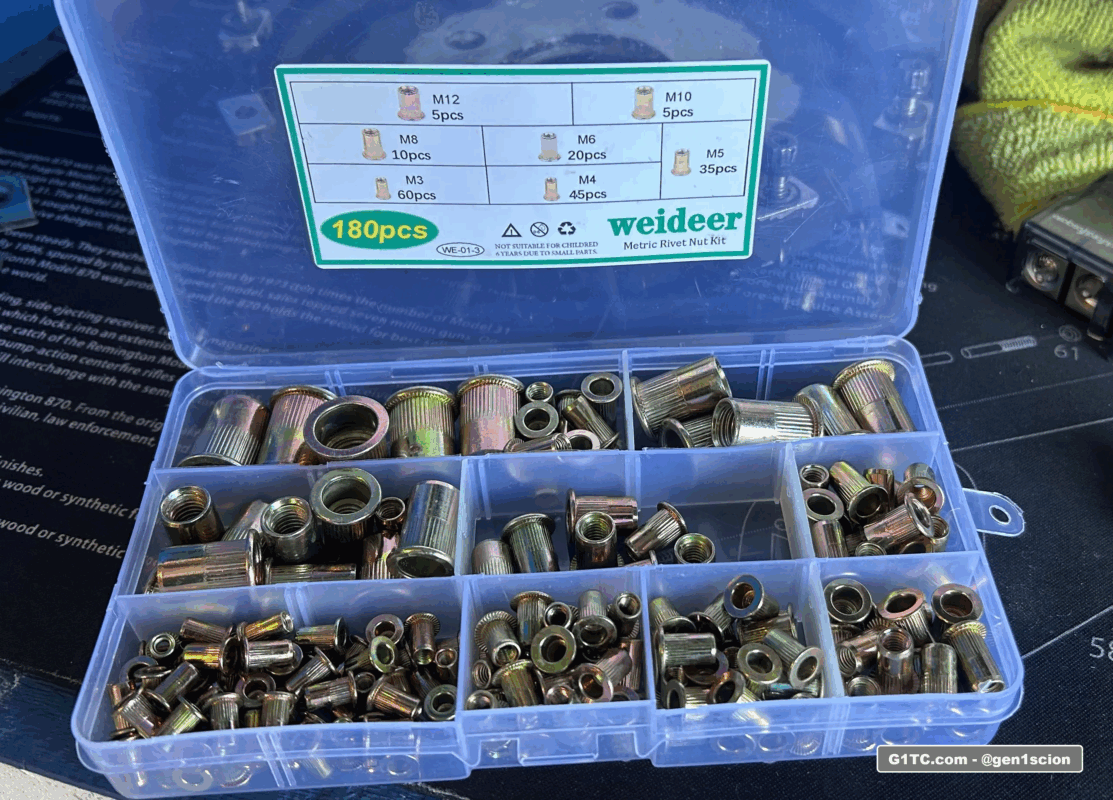
I personally use the Harbor Freight Doyle 10 in. Professional Rivet Nut Setter Kitto replace worn and brittle OEM plastic plugs but any rivet nut tool kit will do. This kit on Amazon is only and $50 includes assorted nuts
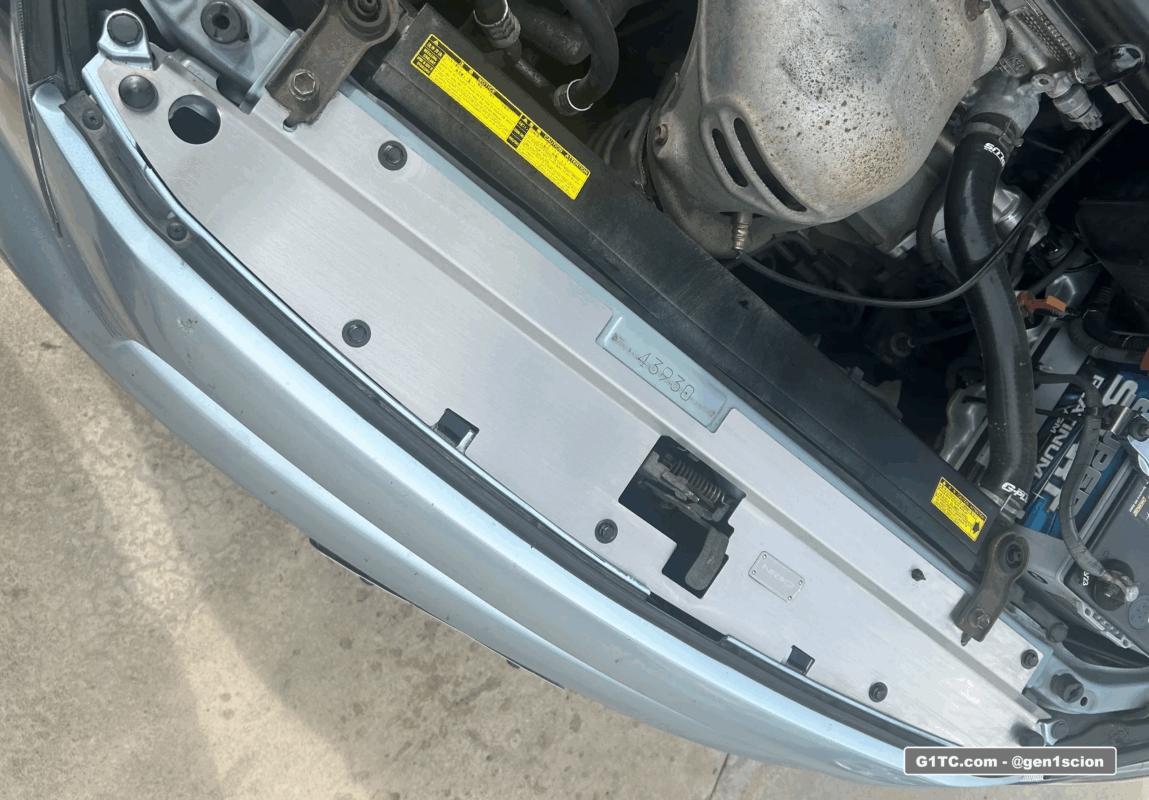
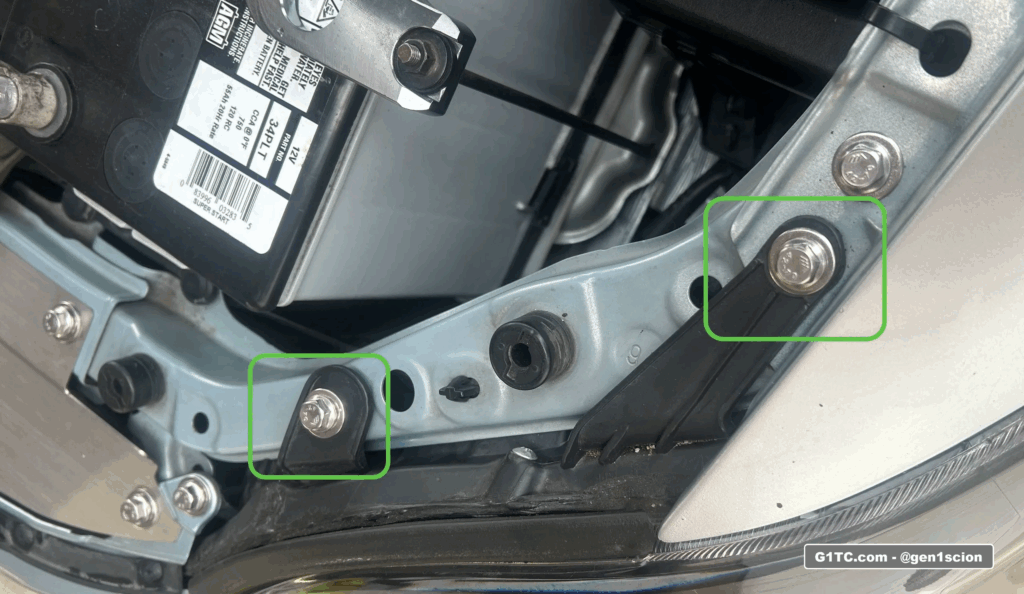
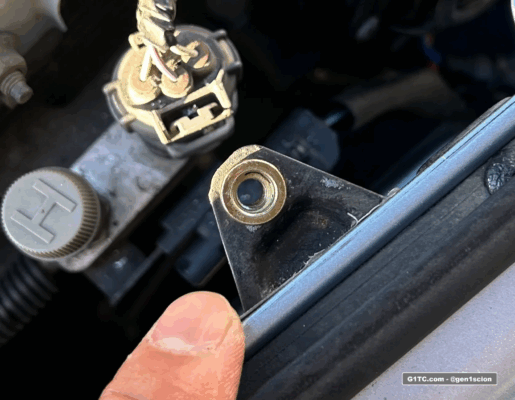
Replacing the headlight mounting screws with rivet nuts instead (engine dress)
Replacing the wheel weel plastic snap tabs with metal rivet nuts instead
Replacing the wiper cowl moulding with Rivet nuts instead of plastic tabs
The Rivet Nut Tool: The Tool You Didn’t Know You Needed (Until You Absolutely Did)
There’s a moment in every DIYer’s life when a simple project turns into a problem-solving exercise. You drill a hole. You try to bolt something down. And then you realize there’s nothing solid to thread into. Thin metal, stripped holes, awkward angles—suddenly your confidence drops faster than that bolt spinning freely in place.
That’s usually when the rivet nut tool enters the chat.
What a Rivet Nut Tool Actually Does
At its core, a rivet nut tool installs threaded inserts called rivet nuts or nutserts into thin materials like sheet metal. Think of it as a way to permanently add threads where welding a nut isn’t practical (or possible), and where a regular bolt would just pull through.
Once installed, you’re left with a strong, reusable threaded hole that behaves like it was always meant to be there.
Why You Don’t Think You Need One (At First)
Most people don’t buy a rivet nut tool on purpose. They buy it after:
- A factory clip nut disappears into a panel
- A stripped hole ruins an otherwise easy install
- A bracket needs to mount to thin metal with zero access to the backside
- They get tired of improvising solutions that almost work
Up until that point, you convince yourself there’s another way. There usually is—but it’s almost always worse.
The “Oh… This Is Nice” Moment
The first time you use a rivet nut tool properly, something clicks. Drill the hole. Insert the rivet nut. Squeeze or crank the tool. Done.
Suddenly you’re installing threads where none existed before, and it feels… oddly satisfying. Clean. Intentional. Professional, even. You start looking around the garage thinking, What else can I put threads into?
That’s how you know the tool earned its spot.
Where Rivet Nut Tools Shine
Rivet nut tools quietly solve problems in places you didn’t realize were problems:
- Mounting accessories to body panels
- Installing brackets, heat shields, or skid plates
- Interior and trim fasteners
- Engine bay components with thin sheet metal
- Projects where you only have access from one side
They’re especially useful on older cars, project vehicles, and anything that’s been taken apart more times than the engineers intended.
Better Than the Alternatives
Compared to other “solutions,” rivet nuts win for a few key reasons:
- Stronger than self-tapping screws
- Cleaner than through-bolts with washers
- More reliable than clip nuts
- No welding required
Once installed, the insert stays put. You can remove and reinstall bolts without fear of stripping metal or enlarging holes. It turns fragile mounting points into something you can actually trust.
Do You Need a Fancy One?
Not necessarily. Manual rivet nut tools work just fine for most DIY applications. The key is matching the tool to the size and material of the rivet nuts you’re using—and taking your time during installation.
The tool doesn’t need to be expensive to be effective. It just needs to work consistently.
The Tool You Didn’t Plan On Owning
A rivet nut tool isn’t flashy. It won’t impress anyone scrolling your toolbox. But once you own one, it quietly becomes part of your problem-solving muscle memory.
Anytime you’re faced with thin metal and no threads, you don’t panic—you just reach for it.
That’s why it’s the tool you didn’t know you needed…
until you absolutely did.
