
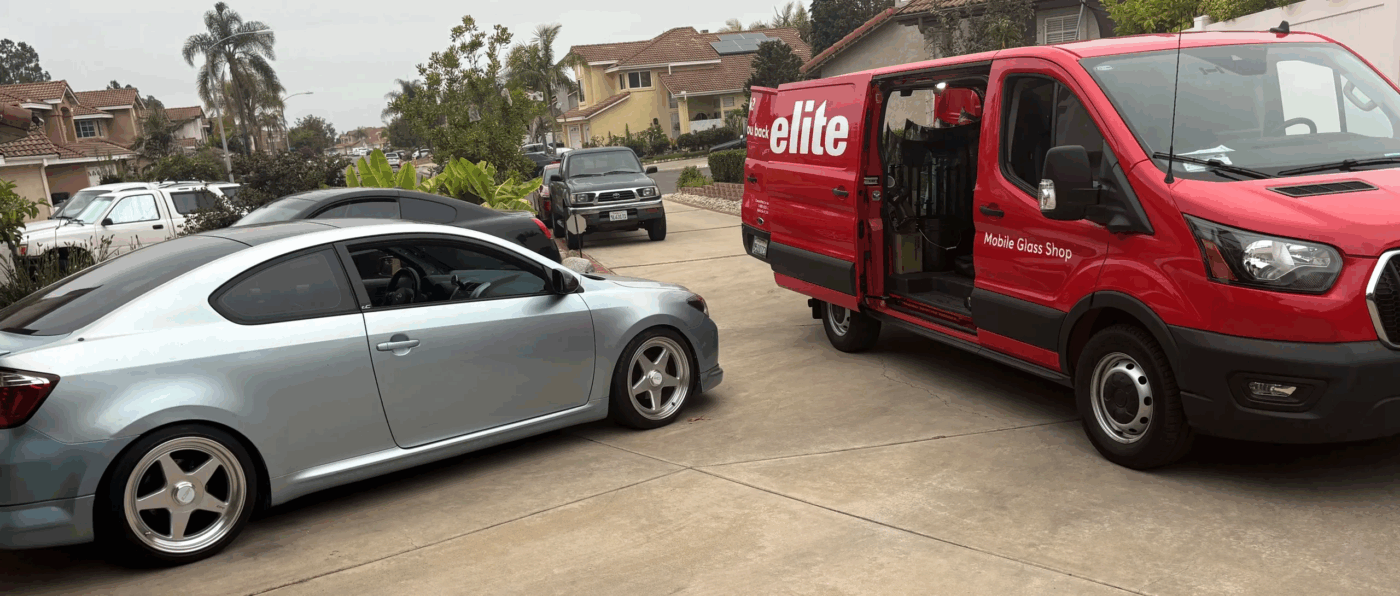
In this article I’ll talk about my recent windshield repair experience. Safelite mobile service would NOT replace the windshield because they found rust in the rain channel, but I found a company that would. This is actually my second time getting the windshield replaced. I used a similar mobile repair service back in the day, and I don’t think they did a good job at all with the first repair, so I’m happy to finally get this redone @ 243k miles.
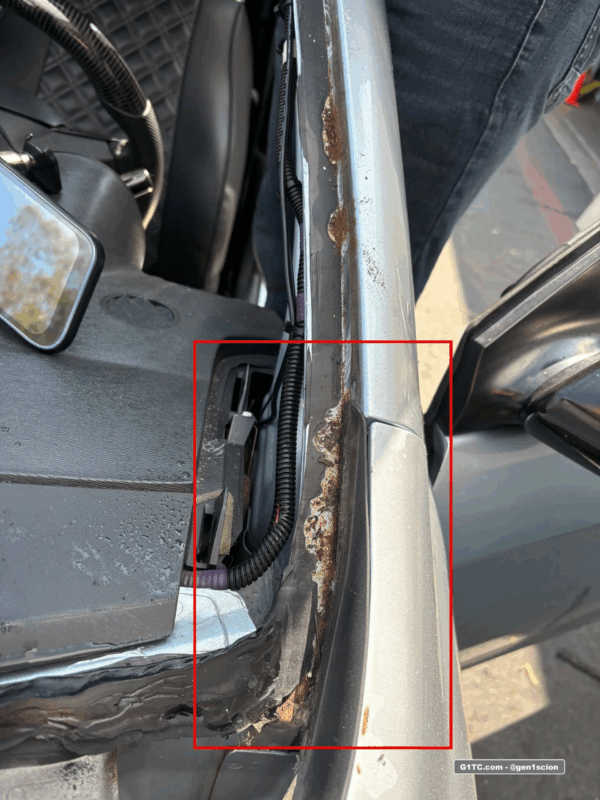
Rust in the rain channel
Windshield replacement can seem like a straightforward task, but what happens when you find rust lurking in the rain channels? This common problem can turn a simple job into a significant repair. Here’s what you need to know about rust in your vehicle’s rain channels and how to deal with it during a windshield replacement.
The Problem of Rust
The rain channel, also known as the pinch weld, is the metal frame that holds the windshield in place. It’s designed to be watertight and secure. Over time, however, moisture can seep in. This can happen due to a failing seal, small chips in the paint, or even debris trapped along the edge of the glass. Once water reaches the bare metal, rust begins to form. The problem with this is that the rust, which is essentially oxidized metal, is no longer structurally sound. If a new windshield is installed directly over the rust, the adhesive won’t be able to bond correctly to the surface. This can lead to a host of issues, including a leaky seal, which allows more water in, and a compromised installation that could cause the windshield to detach during a collision.
The Repair Process
When a technician discovers rust during a windshield replacement, they can’t just slap a new piece of glass on and call it a day. The repair process is crucial for ensuring the new windshield is installed safely and securely. First, the technician will use a wire brush or a grinder to remove all the rust from the pinch weld. They need to get down to the clean, bare metal. This step is critical; any leftover rust will continue to grow and compromise the new installation.
Once the rust is completely removed, the area is treated with a rust inhibitor or a primer. This product protects the metal from future corrosion and provides a clean, stable surface for the adhesive to bond to. Some technicians use an epoxy primer that fills in small imperfections, creating a smooth surface. After the primer dries, the new urethane adhesive is applied, and the new windshield is set in place.
Why This Matters for You
A reputable auto glass shop will always inspect the pinch weld for rust before installing a new windshield. If they find it, they’ll let you know about the extra work and cost involved. While you might be tempted to find a cheaper option that skips the rust repair, don’t. A cheap installation without proper rust remediation is a ticking time bomb. It could lead to a leaking windshield, causing water damage to your car’s interior, and in a severe accident, the windshield might not provide the structural support it was designed for. A properly installed windshield contributes significantly to your vehicle’s structural integrity, especially during a rollover accident.
In the end, while discovering rust during a windshield replacement might be an unwelcome surprise, it’s a critical issue that must be addressed. A proper repair ensures your vehicle is safe and the new windshield will last for years to come.
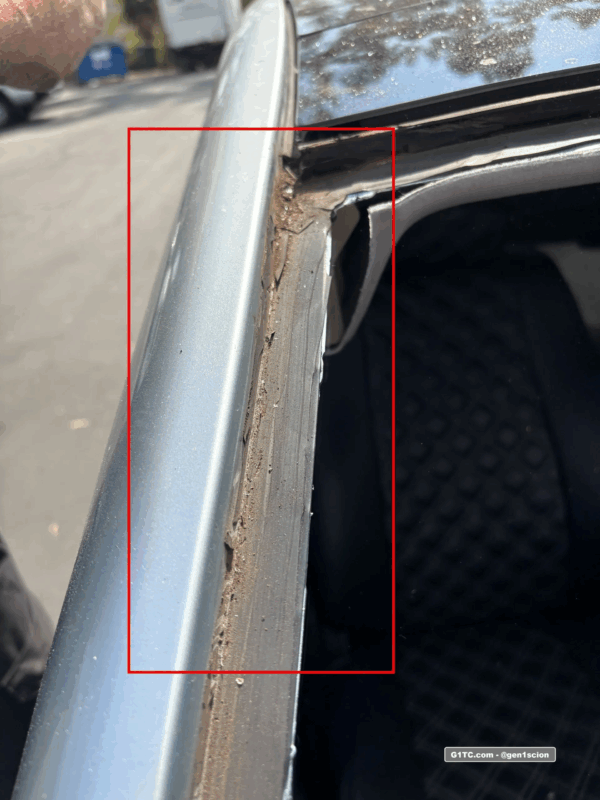
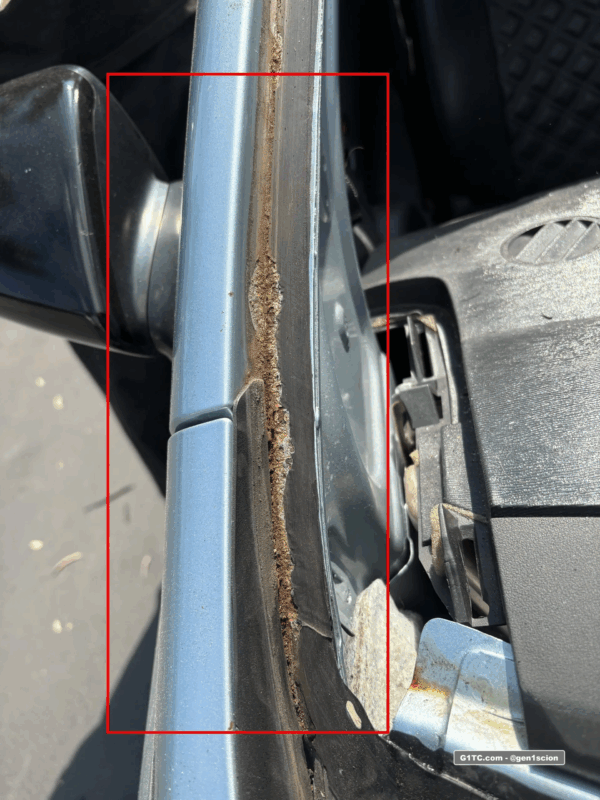
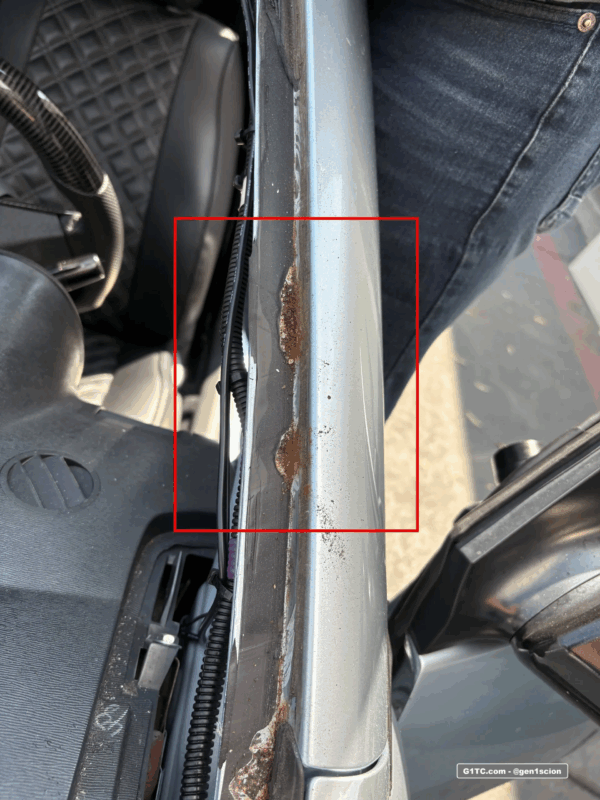
SAFELITE found rust after removing the outer trim
The Safelite quote was $330. I discovered they added 2 windshield wipers at $35 each. After Safelite removed that from the quote reduced to $260. After removing the outside trim, the tech discovered rust in the rain channel. Safelite would not continue from here and referred me to a local shop (about 10 minutes away) that could handle the job, carglass1.com (San Diego).
 Edit Image
 Edit Image
 Edit Image
 Edit Image
 Edit Image
 Edit Image
 Edit Image
