
How the Scion tC Became the Unofficial Celica Replacement—and Why It Was Eventually Phased Out
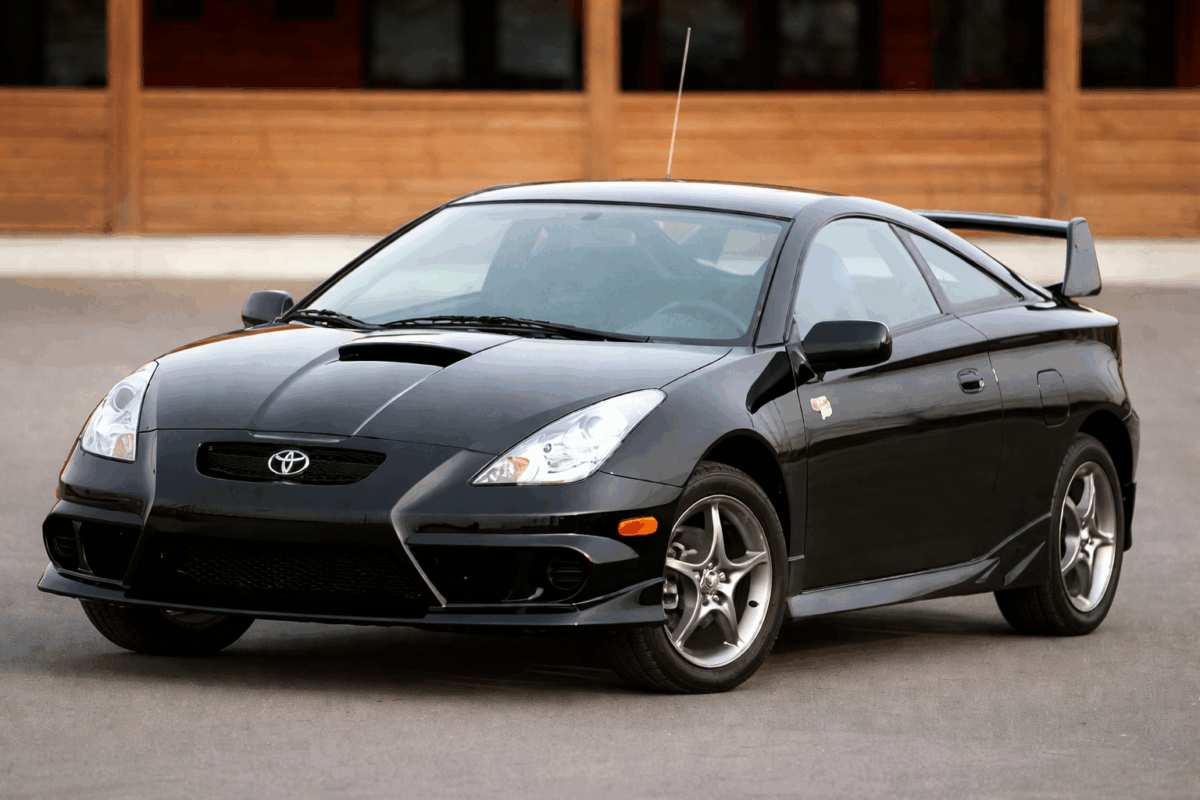
When Toyota discontinued the Celica after the 2005 model year, enthusiasts were left wondering what would replace one of the brand’s most recognizable sport coupes. Officially, Toyota never declared a successor. Unofficially, however, the answer was clear: the Scion tC. Introduced for the 2005 model year, the tC quietly inherited much of the Celica’s mission—affordable, sporty, youth-focused—while adapting to a rapidly changing automotive market. Over time, shifting priorities, new nameplates, and changing buyer tastes would ultimately phase the tC out in favor of vehicles like the Solara and later the FR-S.
The End of the Celica Era
The Toyota Celica had a long and successful run, spanning seven generations from 1970 to 2005. By the early 2000s, however, sales were declining. Buyers were moving toward SUVs and practical sedans, and the market for small sport coupes was shrinking. Emissions regulations, rising insurance costs, and tighter profit margins made it harder to justify a dedicated sports coupe.
Rather than investing in a direct Celica replacement under the Toyota badge, Toyota chose a different strategy. In 2003, the company launched Scion—a youth-oriented sub-brand aimed at younger buyers who valued customization, affordability, and style over outright performance. The tC would become Scion’s flagship model and, functionally, the spiritual successor to the Celica.
The Scion tC as a “Soft” Replacement
The 2005–2010 Scion tC filled the same market niche the Celica once occupied, just with a different philosophy. It was a two-door coupe, front-wheel drive, reasonably lightweight, and powered by Toyota’s proven 2.4-liter 2AZ-FE engine. While it lacked the high-revving excitement of the Celica GT-S, it made up for it with strong low-end torque and everyday usability.
Unlike the Celica, which leaned heavily into sportiness, the tC was positioned as a sporty daily driver. Features like a standard panoramic glass roof, spacious rear seating, and a large hatch made it more practical than the Celica ever was. Toyota wasn’t chasing lap times; it was chasing lifestyle appeal.
Importantly, Toyota never marketed the tC as a Celica replacement. That was intentional. The Celica name carried performance expectations, while Scion was designed to be more flexible and trend-driven. Still, enthusiasts quickly recognized the lineage: affordable coupe, shared Toyota engineering, and strong aftermarket potential.
Where the Solara Fit In
While the Scion tC took over the “youth coupe” role, Toyota also offered the Camry Solara as a more mature alternative. The Solara wasn’t a true Celica replacement, but it absorbed some of the market left behind—buyers who wanted a coupe but with comfort, refinement, and a V6 option.
The Solara leaned heavily toward touring and comfort, distancing itself from the enthusiast crowd. In many ways, it represented Toyota’s conservative side, while the tC carried the torch for customization and youthful styling. By offering both, Toyota covered two very different interpretations of what a coupe could be in the mid-2000s.
Changing Tastes and the Beginning of the End
As the 2010s approached, the automotive landscape shifted again. Compact crossovers exploded in popularity, and two-door coupes continued to decline. The Scion tC remained relatively unchanged mechanically, which helped reliability but hurt its perception. Enthusiasts wanted lighter, rear-wheel-drive platforms and sharper handling, while casual buyers increasingly chose four-door vehicles.
At the same time, Toyota was working on a new idea—one that would directly address enthusiast demands. That idea would eventually become the FR-S.
Enter the FR-S: A True Sports Car Returns
When the FR-S launched for the 2013 model year, it represented a philosophical shift. Unlike the tC, the FR-S was not designed as a practical daily coupe. It was lightweight, rear-wheel drive, naturally aspirated, and intentionally simple. In many ways, it succeeded where the Celica left off, offering driving purity rather than lifestyle versatility.
Although the FR-S didn’t replace the tC directly, it did replace it culturally. Enthusiasts who once looked to the Celica—and later the tC—for modification potential now gravitated toward the FR-S. Toyota finally had a modern sports coupe again, and the tC began to feel redundant.
The Final Years of the Scion tC
By the mid-2010s, the writing was on the wall. Scion as a brand struggled to define itself in a market that no longer prioritized youth-only branding. In 2016, Toyota officially discontinued Scion entirely, folding some models into the Toyota lineup and retiring others.
The tC was one of the casualties. Its role had been absorbed by changing consumer habits and newer platforms. The Solara was already gone, and the FR-S (later rebranded as the Toyota 86) became Toyota’s sole remaining coupe.
A Legacy Worth Remembering
The Scion tC may never have worn the Celica name, but it carried the spirit forward during a transitional era for Toyota. It bridged the gap between the high-revving sport coupes of the past and the lifestyle-driven vehicles of the modern age. For many enthusiasts, it was their first introduction to Toyota modification culture—and for that reason alone, it earned its place in automotive history.
