In-line mini oil catch can separator with clear reservoir install between PCV & Intake manifold

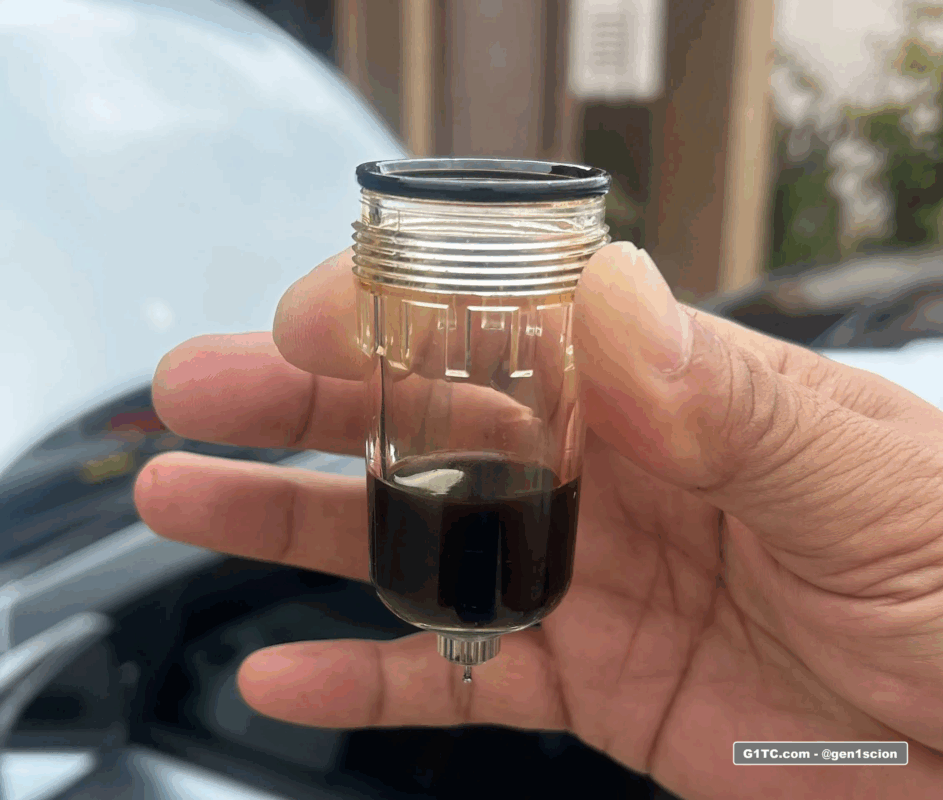
mini inline oil catch can separator doing it's job
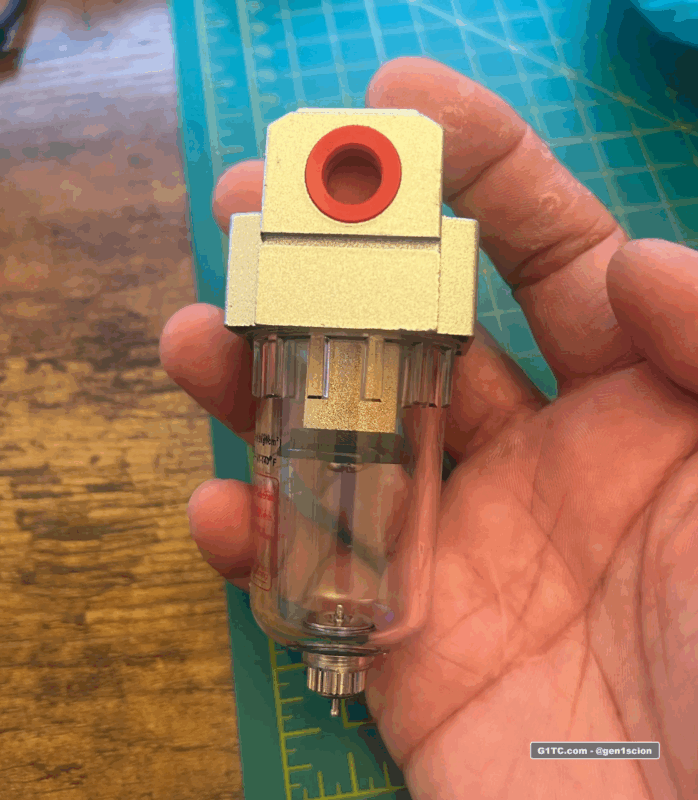
In this article I’ll show you an inexpensive universal oil catch can/separator solution that you can run inline between your crank case PCV valve and intake manifold. This catch can oil separator installs in-line and has a clear can so I can get a quick visual on the status. Much like how you would visually check your brake fluid, power steering fluid, and engine coolant.
 
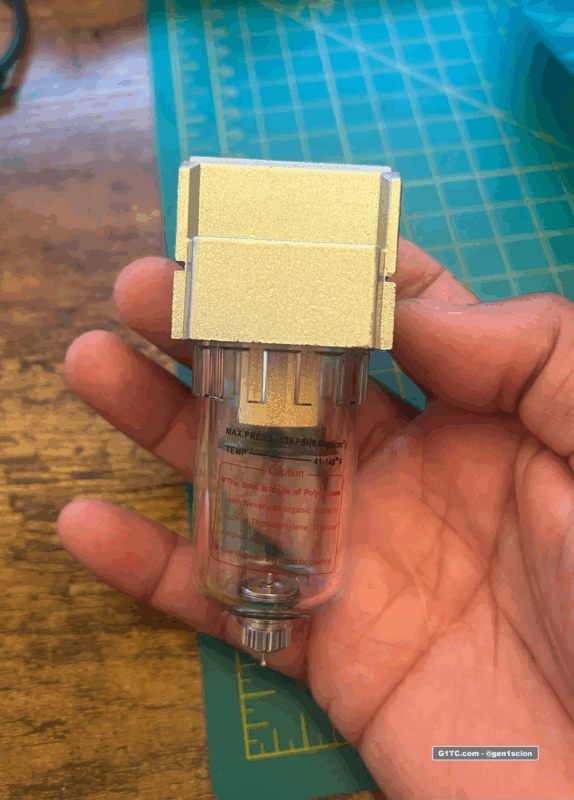
cheap universal inline mini oil catch can with clear reservoir

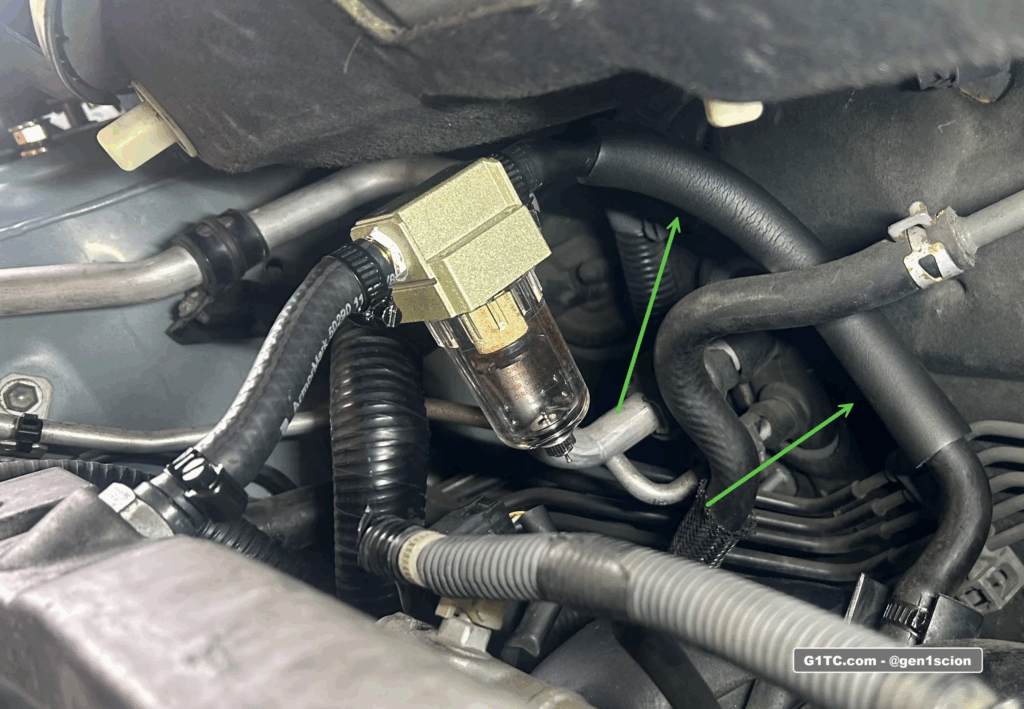
Inline mini catch can separator betwen PCV valve and Intake manifold
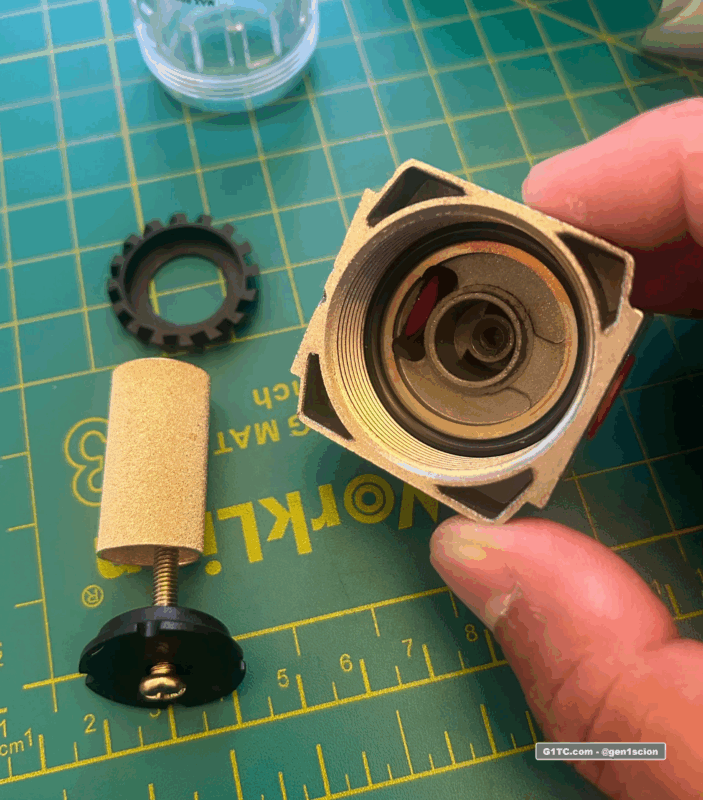
internals of the inline mini oil catch can separator

Manufacturer Specs:

  • Baomain Model AF2000-02
  • Max. Rated flow: 750 L/min
  • Max Pressure:1.0Mpa (approx 145 PSI),
  • Port size: PT 1/4
  • Filtration: 40um
  • Size:10.5 x 4 x 4cm / 4.1” x 1.6” x 1.6” (L*W*H), Weight:176g

What I like about this

  • Only $13 and includes mounting hardware and different size fittings
  • Compact, great for a tight space
  • Inlets and outlet are mounted opposing ends (you can run it in-line)
  • Clear reservoir catch can, you can see the oil accumulation
  • Sufficient for my style of driving – daily driving, non turbo
  • Simple design

What I don’t like about this

  • Have to check it more often than some of the other style catch cans with larger reservoirs
  • Installed in tight space, it could be subject to heat

Installation
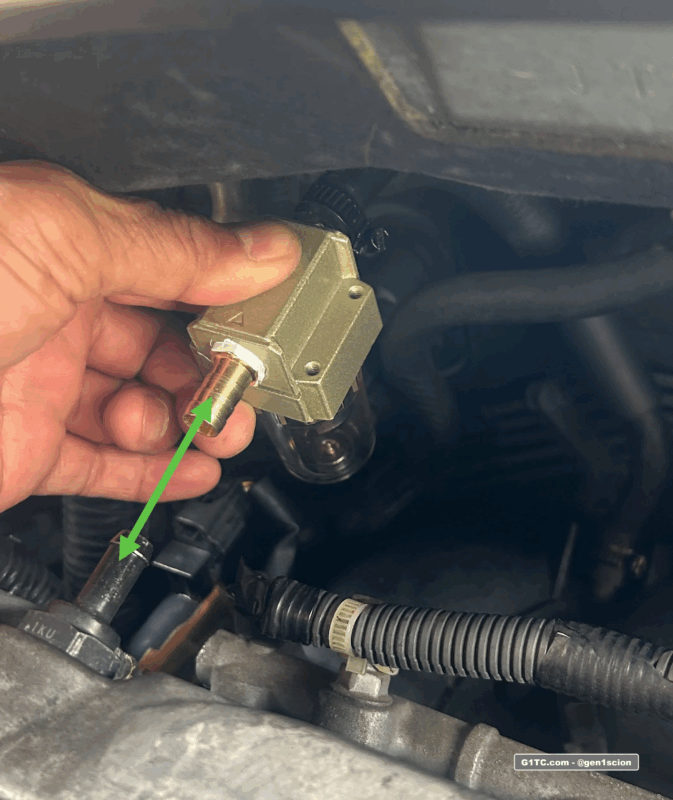
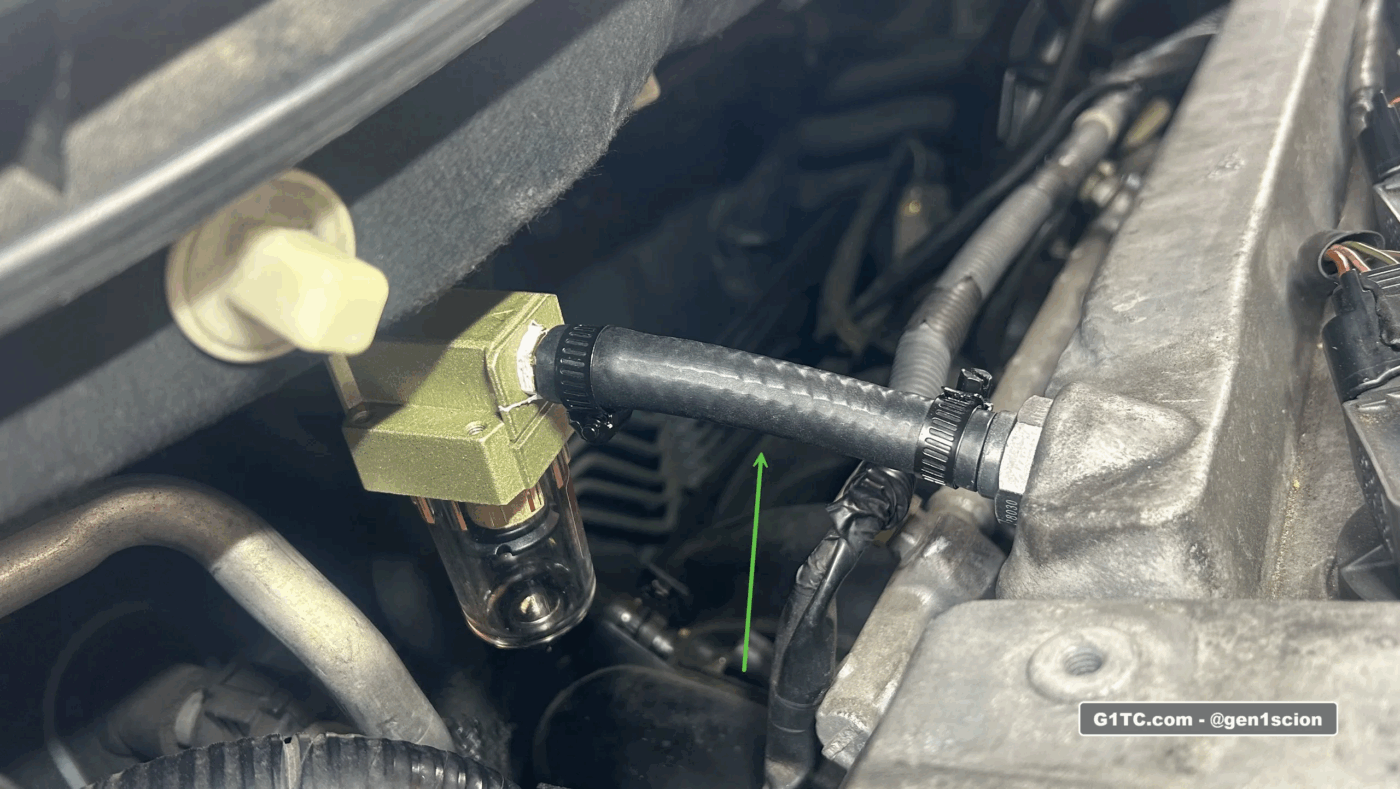
I only needed to add about a 4″ hose coming off the PCV valve. I ran the separator inline. I took the OEM hose and re-routed it to fit behind another hose and back into the intake manifold. No other modifications were necessary. This is an easily reversible mod.
 
inline mini oil catch can separator pcv valve to intake manifold
inline PCV to manifold mini oil catch can separator
using thicker fuel rated hose for PCV to intake manifold oil catch can


It works

For my 2006 Scion tC, normally aspirated (non-turbo, non-supercharged) the normal operating oil pressure should generally be between 25 to 65 PSI (pounds per square inch) while the engine is running, with the lowest pressure typically occurring at idle. This mini unit supports up to 145PSI according to the manufacturer specifications.
 

More info on the PCV system

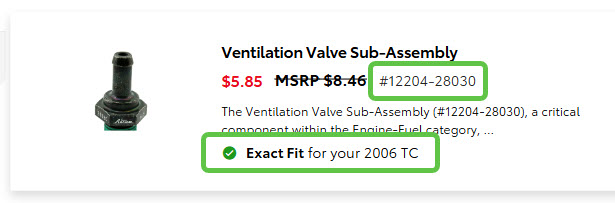
scion tc PCV valve 12204-28030
Scion tc PCV valve 12204-28030


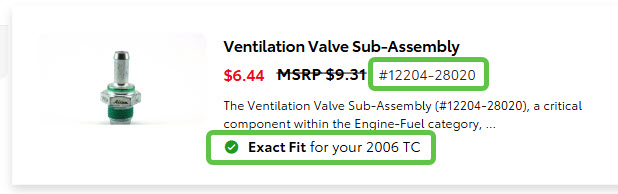
scion tc pcv valve 12204-28020
Scion tc pcv valve 12204-28020

As your engine runs, the pistons rapidly move up and down within their cylinders. Despite the tight tolerances, a small amount of combustion gases, fuel vapors, and oil mist inevitably slips past the piston rings and into the crankcase. This phenomenon is known as “blow-by”.  Without a way to manage this blow-by, pressure would quickly build up in the crankcase, leading to several problems. Excess pressure can force oil past seals and gaskets, causing leaks. It can also interfere with the smooth operation of moving parts and even contaminate the engine oil, accelerating wear and tear.This is where the crankcase breather hose comes in. In your 2006 Scion tC, this hose is part of the Positive Crankcase Ventilation (PCV) system. Its primary job is to vent these harmful blow-by gases out of the crankcase and back into the engine’s intake manifold.

Over time, these breather hoses, being made of rubber, can become brittle, crack, or even collapse due to exposure to heat, oil, and fuel vapors. A damaged or clogged hose can lead to a host of issues, including:
  • Oil Leaks: As mentioned, pressure buildup from a blocked hose can force oil out of seals.
  • Rough Idling or Stalling: Improper crankcase ventilation can throw off the engine’s air-fuel mixture.
  • Increased Oil Consumption: Blow-by gases that aren’t properly vented can carry more oil mist out of the engine.
  • Check Engine Light: In severe cases, a malfunctioning PCV system can trigger your check engine light.
  • Sludgy Oil: Unvented contaminants will break down your engine oil faster.
For your Scion tC, regularly inspecting the PCV valve and crankcase breather hose for cracks, kinks, or blockages is a simple yet crucial maintenance step. It’s an inexpensive part to replace, and doing so can save you from more significant engine problems down the road.
 
Disclaimer | Report Error