
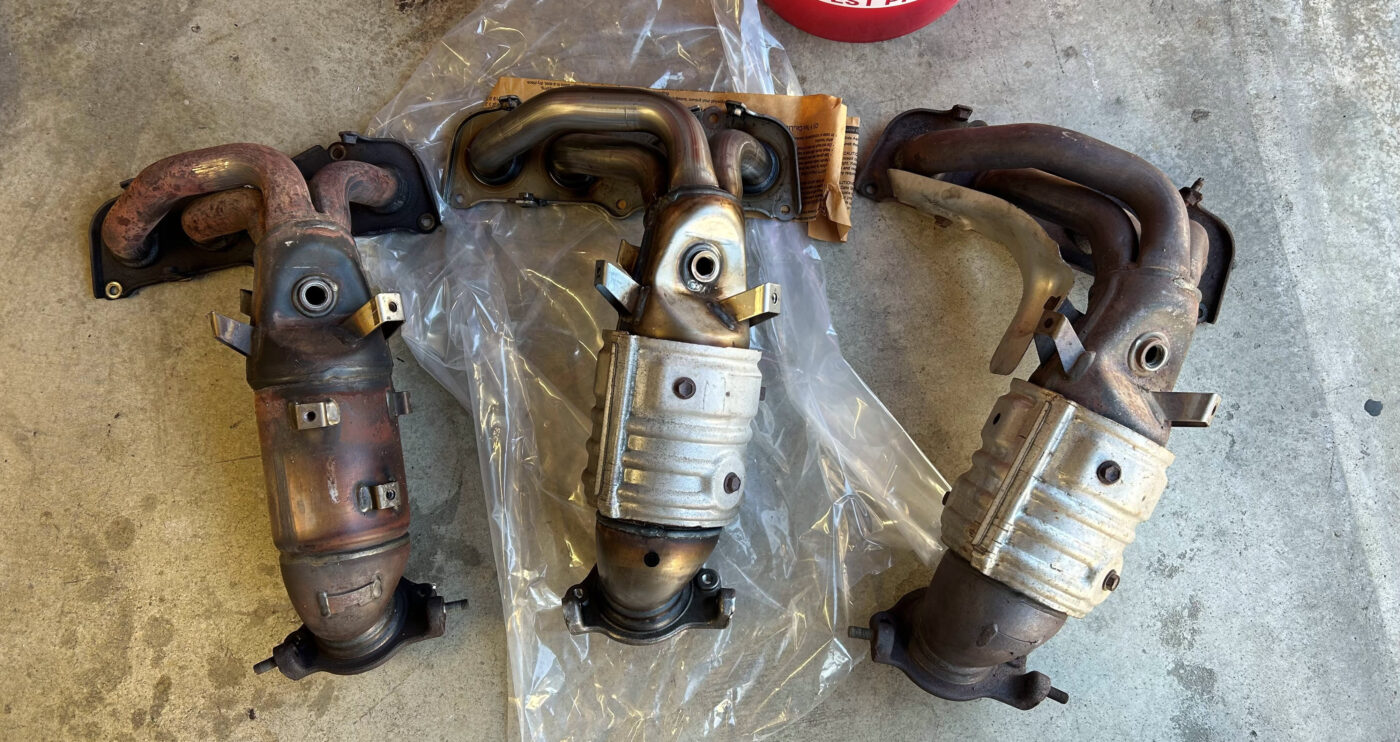
In Nov 2024, faced with DMV registration and CA Smog requirements, I finally fixed the P0420 code on my 2006 Scion TC. In the end, it was a bad Catalytic Converter (replaced with OEM p/n 25051-28430). Here’s the not so elegant saga of me leading up to that point.
I’m sharing this experience because many of you will take the same route troubleshooting – start with the cheapest solution. For the purpose of this blog, when I say “CAT” from here on, I’m referring to the exhaust manifold which is a one-piece unit with catalytic converter on the 2005-2010 Scion tC.
Here’s the quick summary
- Had a recurring P0420 CEL, gradually turned on more fequently
- Tried running a bottle of CATaclean, same issue
- Tried installing a used CAT (I’ll never do that again), same issue
- Tried replacing the downstream (cheaper) O2 sensor, same issue
- Tried replacing the upstream air/fuel O2 sensor, same issue
- Replaced with NEW OEM Toyota CAT, problem solved
- All new gaskets in and hardware installed in the process
P0420 – Catalyst System Efficiency Below Threshold Bank 1
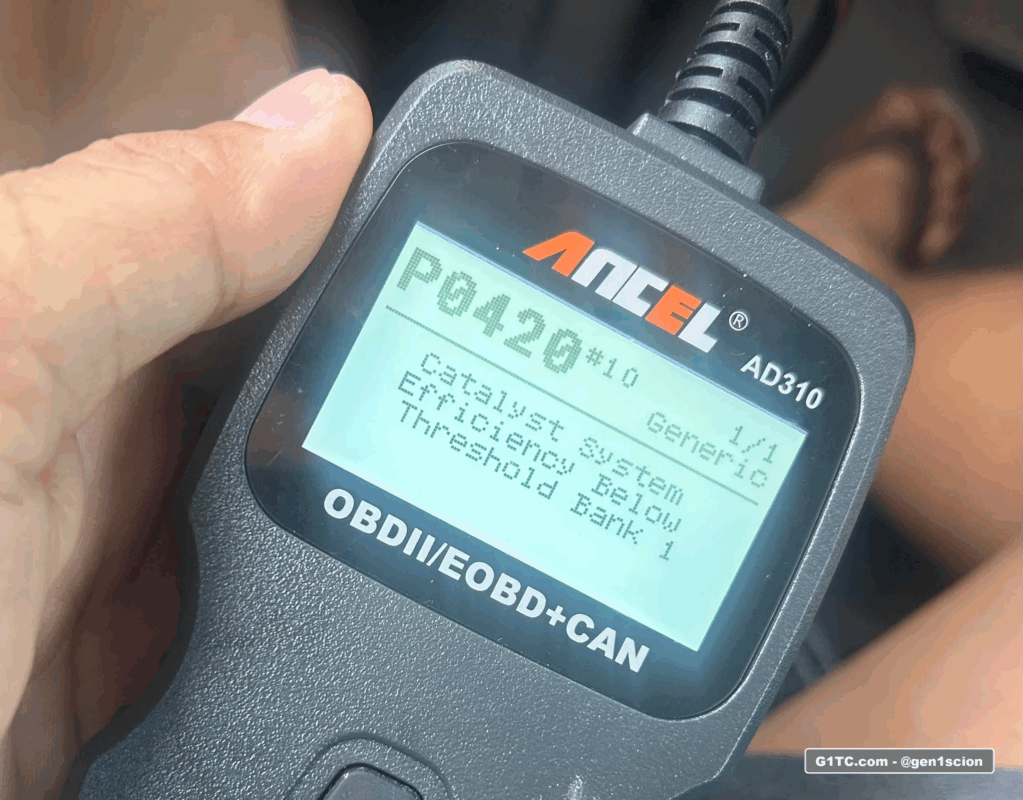
For over 2 years+ I tripped the P0420 CEL and simply reset it. Here I’m using a cheap OBDII reader from Amazon. I would say the problem was intermittent at first, maybe once every 6 months. Then, it started happening more frequently, and eventuallly it would not go away.
It’s important to note here, that Bank 1 on the Scion TC (and any 4-cylinder) is inclusive of the entire system. That means, the upstream sensor, the CAT, and the downstream sensor. If you have a V6 or V8, then you have 2 banks. With that in mind you don’t really have a good indication of what component is broken in Bank 1.
I’m stubborn like everyone else
Most people without advanced diagnostics tools will start replacing parts from the least expensive to the most expensive hoping that one of those parts fixes the issue. If you apply this this logic to the Scion TC you’d be faced with this order:
-
The downstream sensor (about $100 OEM)
-
The upstream sensor (about $200 OEM)
-
The catalytic converter (about $700+ depending on where you shop)
Generally speaking, the Pro way to rule out components one-by-one would be to
-
Test the wire/harness continuity, if good, rule that out
-
Test the sensors, if good, rule that out
-
Replace the cat
In other words, if the sensors and wiring are good, then you know it’s a bad CAT.
Considering the low hanging fruit
If you’ve searched online for the P0420 code, you’ve probably come across some other “try this first” fixes, so I’ll talk briefly about them here.
-
Run a bottle of CAT Cleaner in the gas tank. I tried a bottle of CATACLEAN. Didn’t work, CEL popped up again. $27 down the drain.
-
Remove the CAT and actually clean inside. I didn’t find any reliable info online. I have to go in there again and replace it anyways. I wont bother trying to clean it.
-
Clean the O2 sensors (upstream and downstream). Not much faith in this idea either.
Inspecting the sensors
My first thought was to remove the sensors and get a visual on their condition. This is where things go wrong. When removing the upstream sensor (22mm), I absolutely MUFFED UP the threading on both the OEM sensor and the O2 bung on the exhaust manifold. At this point, there’s no reinstalling the sensor.
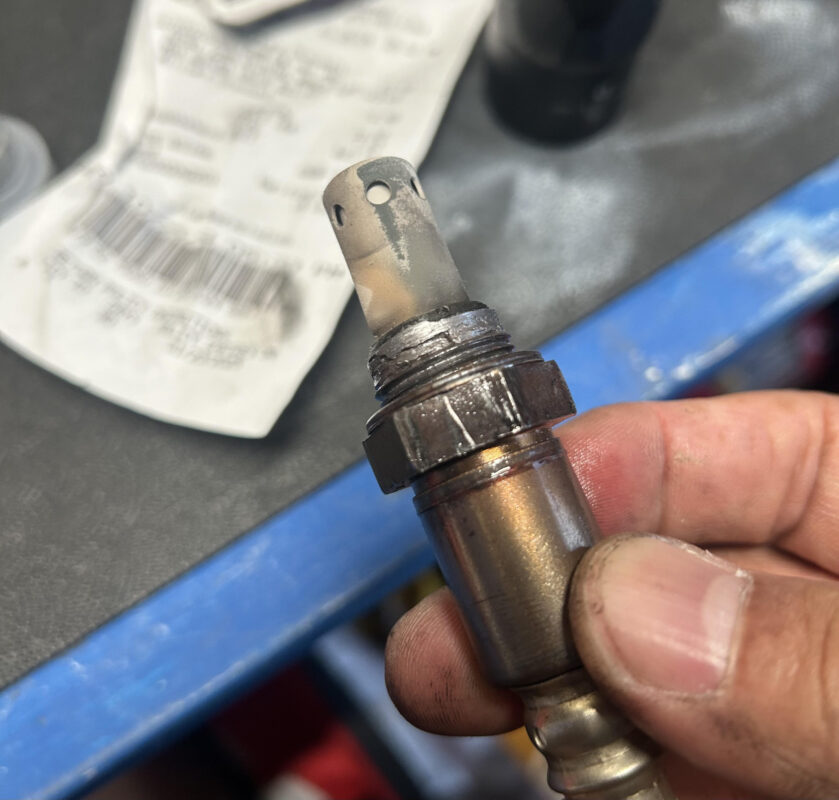
Here are my options now:
-
Rethread/chase the O2 bung, get an adapter, get a replacement sensor
-
Weld a new bung on, get a replacement sensor
-
Replace the CAT, get a replacement sensor
If I consider the worse case scenario at the start of this whole ordeal (bad CAT to begin with) then the CAT has to come out regardless. Here are the next decisions I need to make:
-
Buy a new OEM CAT or find a used OEM CAT in the marketplace?
-
Buy an new aftermarket CAT. Huge risk here, mainly the new law preventing shipping emissions type parts into CA. Also could be poor quality and fail again.
I tried a used CAT, I’m stubborn remember?
I rolled the dice on a used CAT. I found a used one that was stored in a plastic plastic bag, kept in a shed, and quoted low miles. For now, replacement used CAT obtained.
-
Bare minimum: I can get a new upstream O2 sensor on the used CAT and retest.
-
Best case scenario: The used CAT is good and my CEL goes away.
Ordering new gaskets
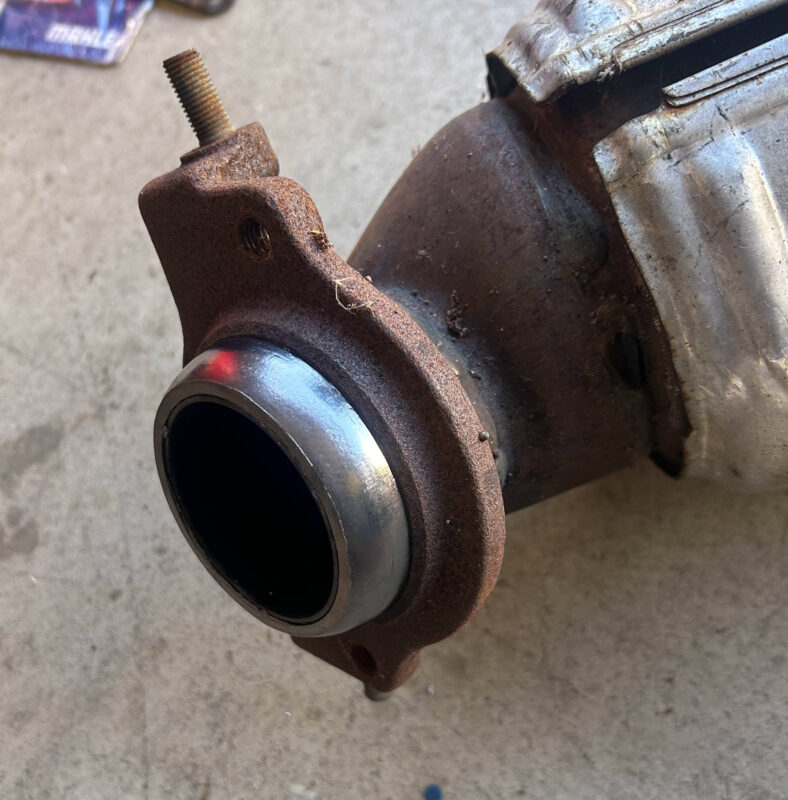
With the used CAT in hand, I’m taking the original exhaust manifold off and getting new gaskets for it – even for testing the used CAT. Here’s what I landed on: Exhaust Manifold Gasket (metal) – MAHLE p/n MS19248
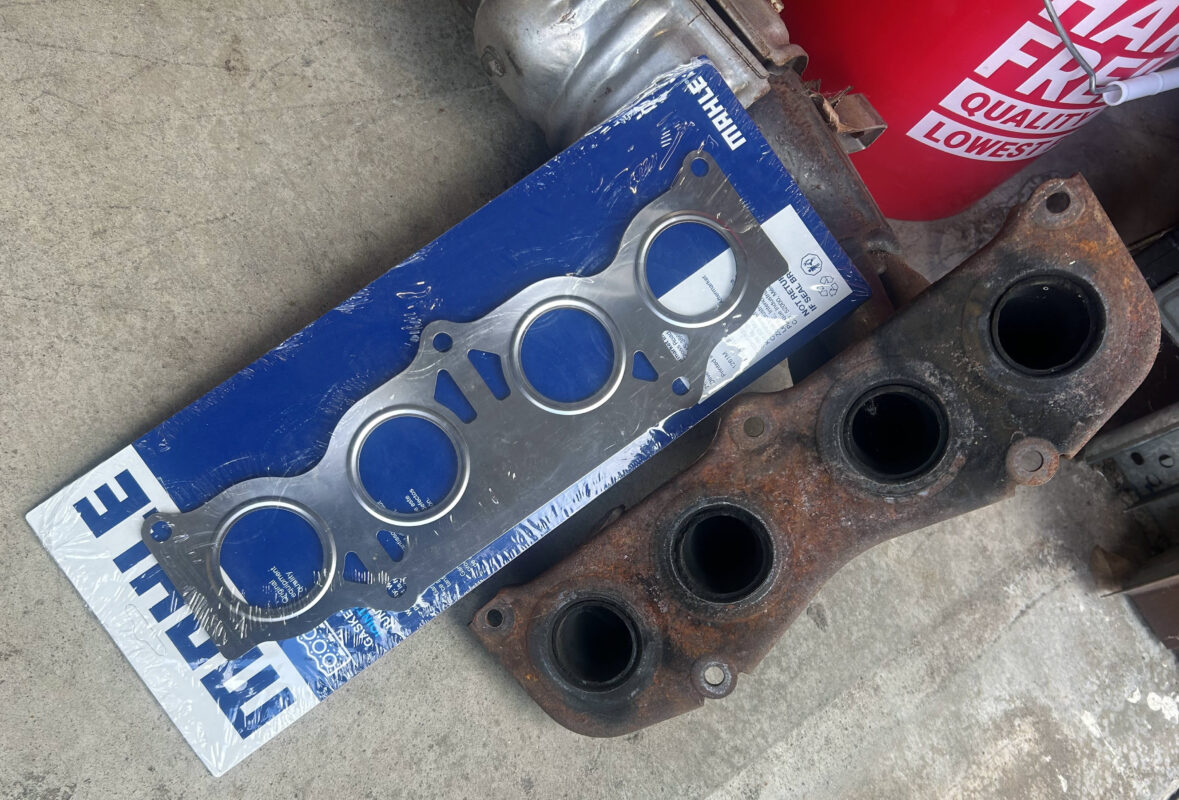
Flange Gasket @ bottom to S-pipe: MAHLE p/n F31662
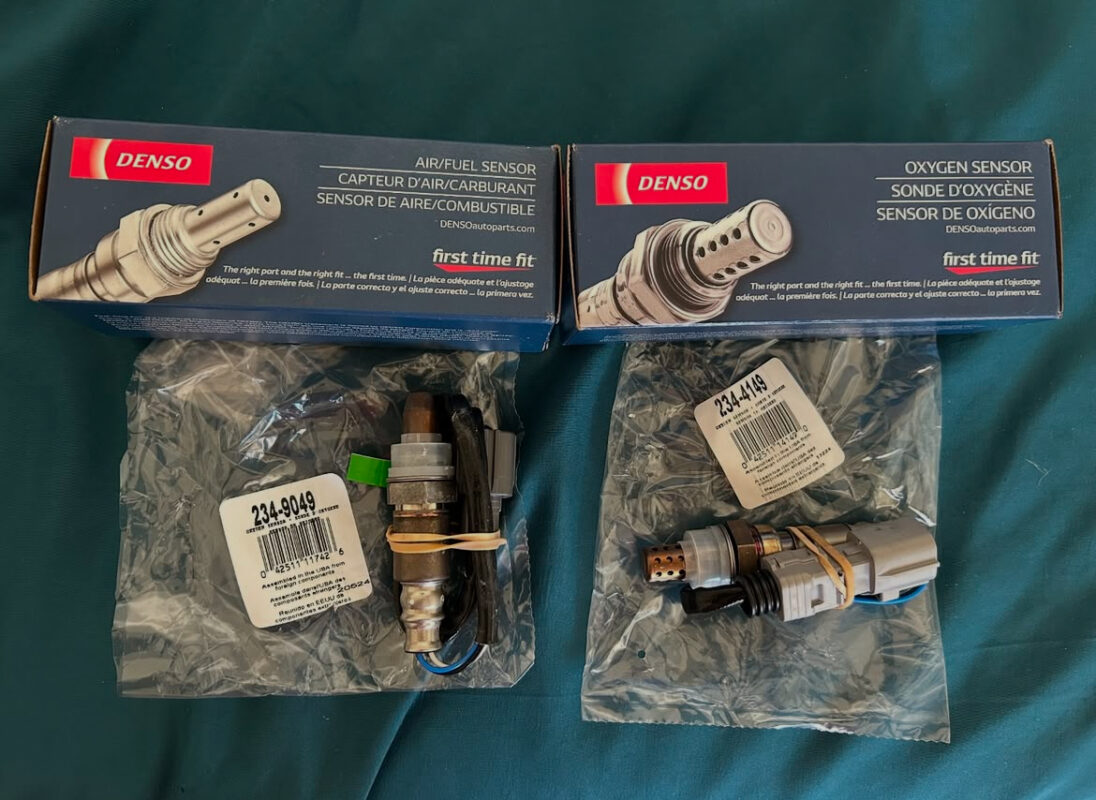
OEM vs Denso O2 sensors for the Scion TC
OEM upstream and downstream O2 sensors would run me over $300 from the dealership. I decided to take a chance on Denso brand O2 sensors from RockAuto to save almost $150. Denso is the brand that makes the OEM Toyota sensors, so there’s a good chance I could be OK here, but it’s still a risk. There are many reported bad experiences with aftermarket O2 sensors. Again, I’m rolling the dice.
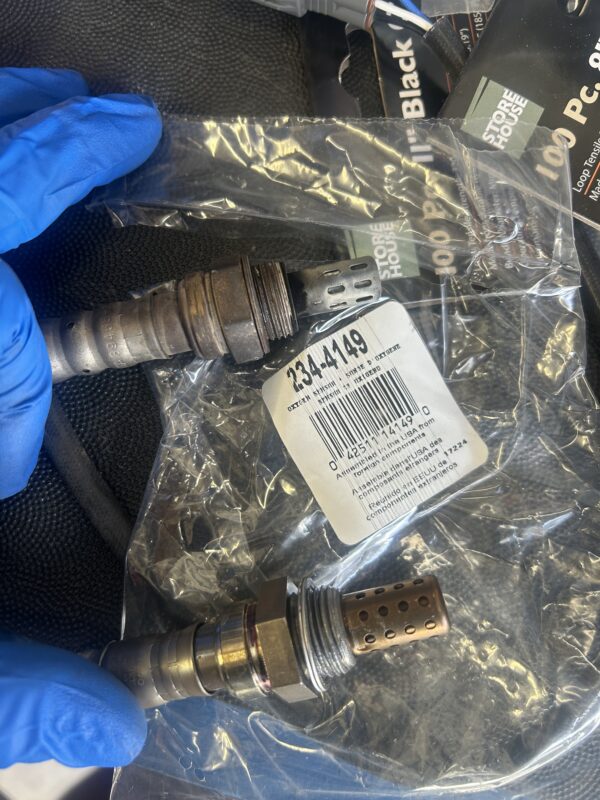
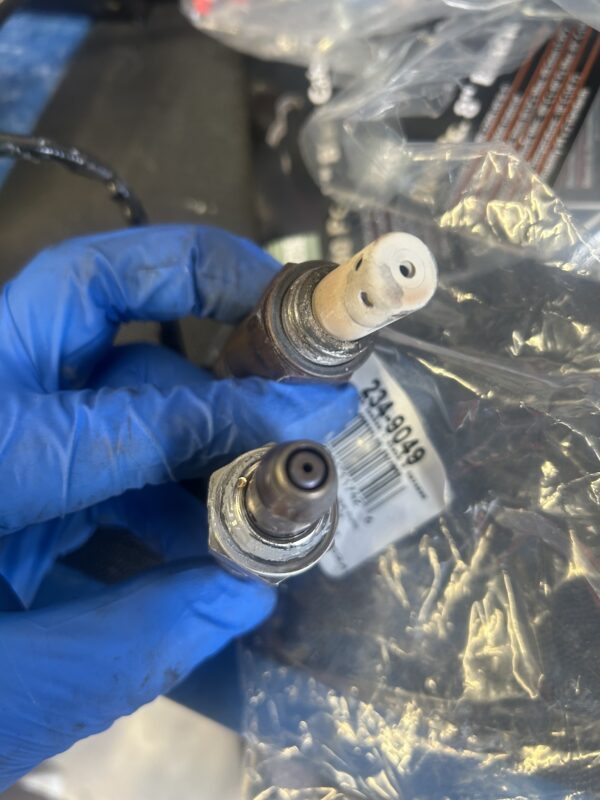
Installed the USED CAT w/ NEW sensors – It didn’t work
-
Saved money on the used “replacement CAT”
-
Saved money on new Denso sensors
-
Installed the used CAT
-
After the 100 mile drive cycle, I tripped the P0420 code AGAIN.
Sad Face.
Ordered a NEW CAT from Norm Reeves Toyota
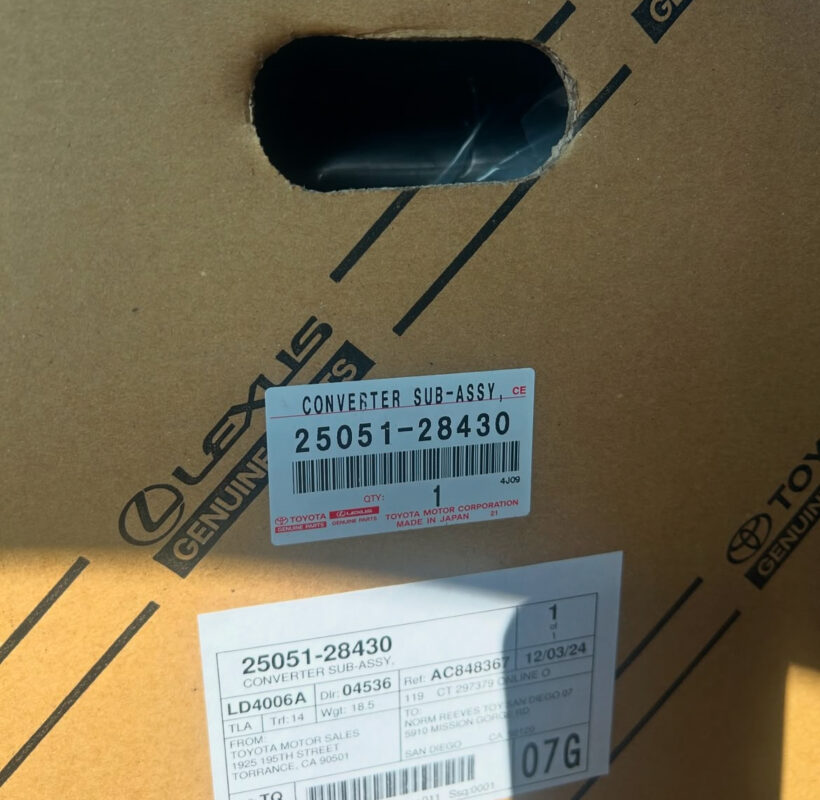
Exhaust Manifold Installation Tips
1. I removed the alternator to access one of the exhaust manifold flange bolts
2. Torque the five 12mm exhaust manifold flange bolts to 27ft lbs, DO NOT OVER TIGHTEN! The flange needs to expand and contract from heat.
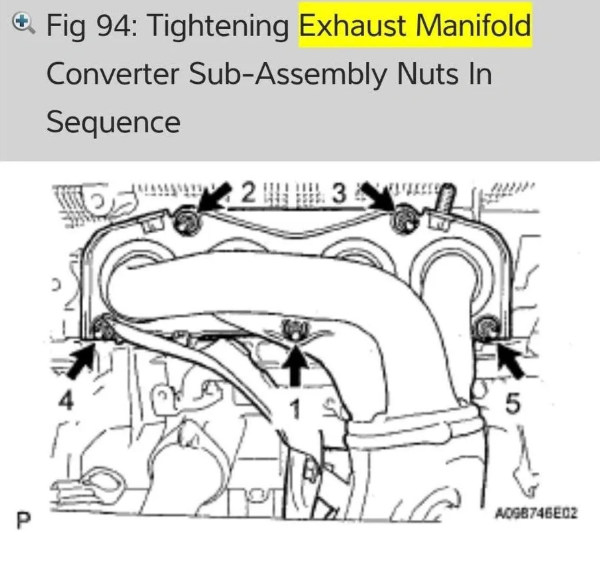
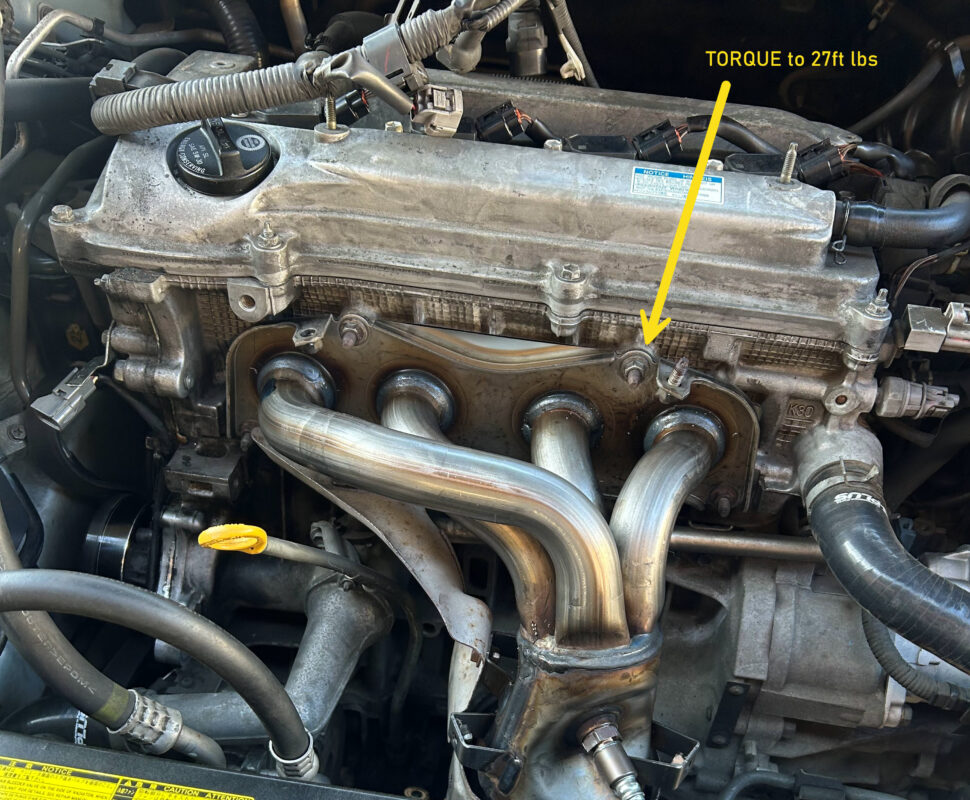
Also ordered a new OEM Upstream O2 Air/Fuel sensor to account for the difference in design from the Denso. In the end this didn’t really matter. The Denso worked fine.
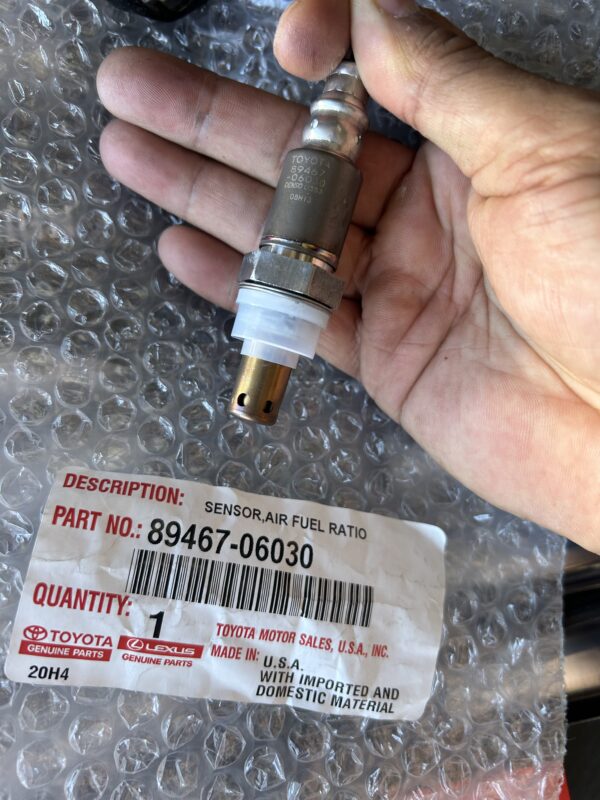
The new Catalytic converter DID NOT come with hardware at the bottom flange. My existing hardware was too rusted out and I wasn’t going to risk damaging the flange threads on the new CAT.
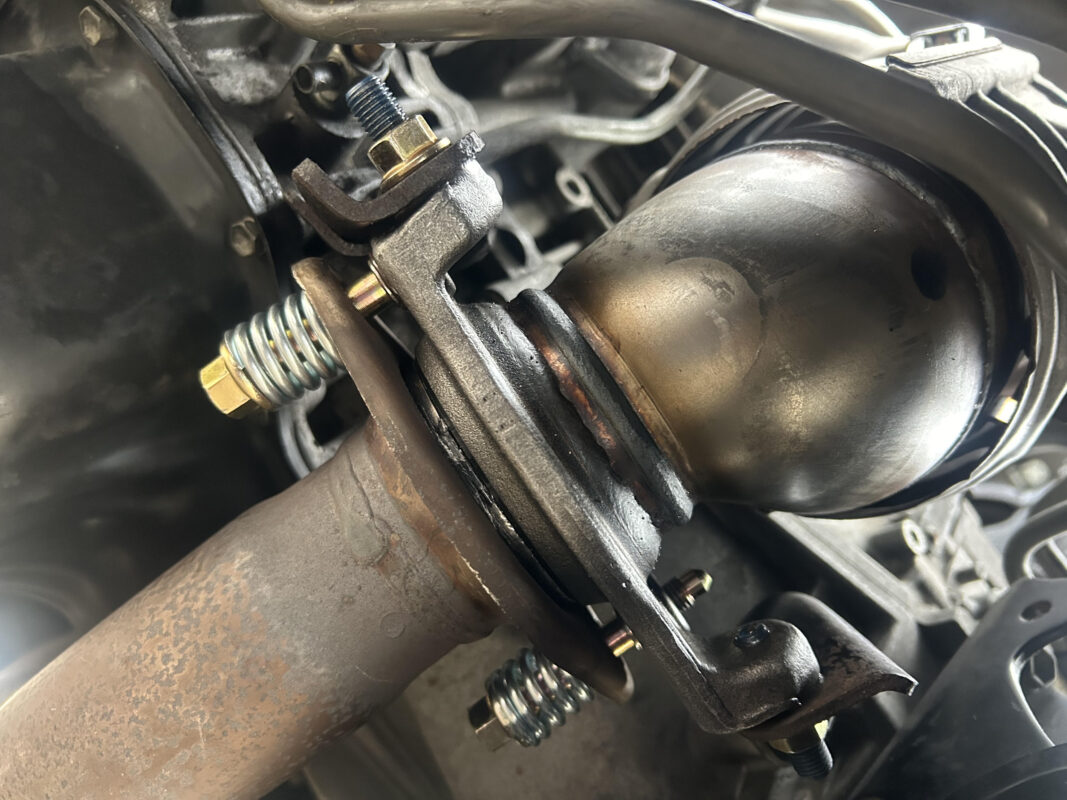
With everything buttoned up, I cleared the code and monitored the status during the 100 mile drive cycle.
No Codes, No stored Codes, No pending codes. No more P0420!
Took my car to V&T Smog in Mira Mesa and passed without any issues.
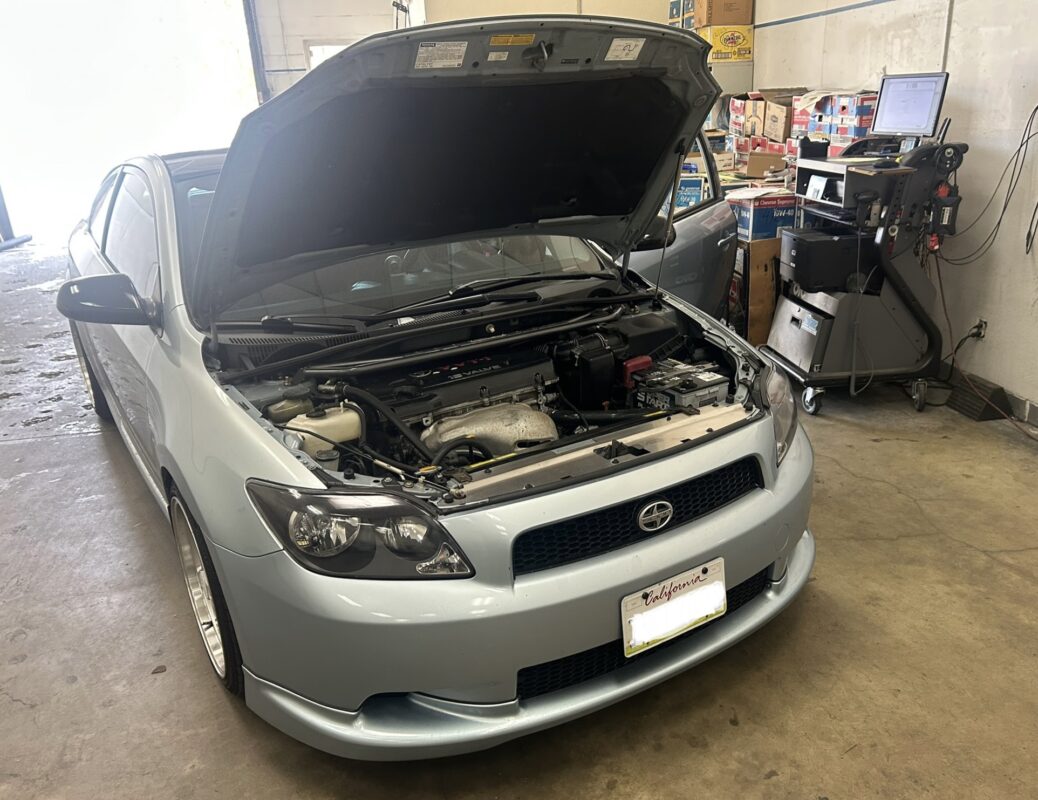
Summary
In the end, the P0420 code was a headache but I’m glad it’s over. I ended up with all new hardware. Be sure to use the “check vehicle fitment” before ordering any of these parts. From top to bottom:
Total cost approx $1020 give or take.
