
How to install a new valve cover gasket
What you need
- Valve cover gasket FEL Pro VS 50530R
- Now is a good time to install a new PCV valve too
- 10mm socket/wrench
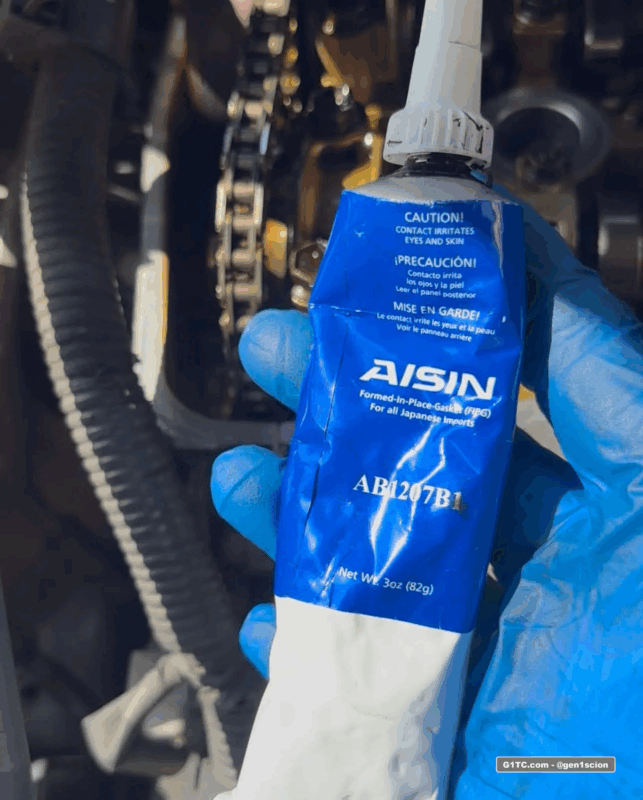
- Sealant (see below)
Sealant for the edges by the timing chain
Either if these will work:
Installation instructions
1. Remove Ignition Coils
- Unplug all 4 ignition coil connectors be careful not to break the clips
- Remove the 10 mm bolt holding each coil.
- Pull coils straight up and set aside.
2. Disconnect Hoses & Wiring
- Disconnect the PCV hose from the valve cover.
- Disconnect the Crankcase breather to Intake box hose.
- Unclip or move aside any wiring harnesses attached to the cover.
3. Remove Valve Cover Bolts
-
Remove all 10 mm valve cover bolts.
4. Remove Valve Cover
- Gently pry at the corners if stuck (use plastic, not metal).
- Lift the valve cover straight up and off.
5. Remove Old Gasket & Tube Seals
- Remove the old perimeter gasket.
- Remove spark plug tube seals
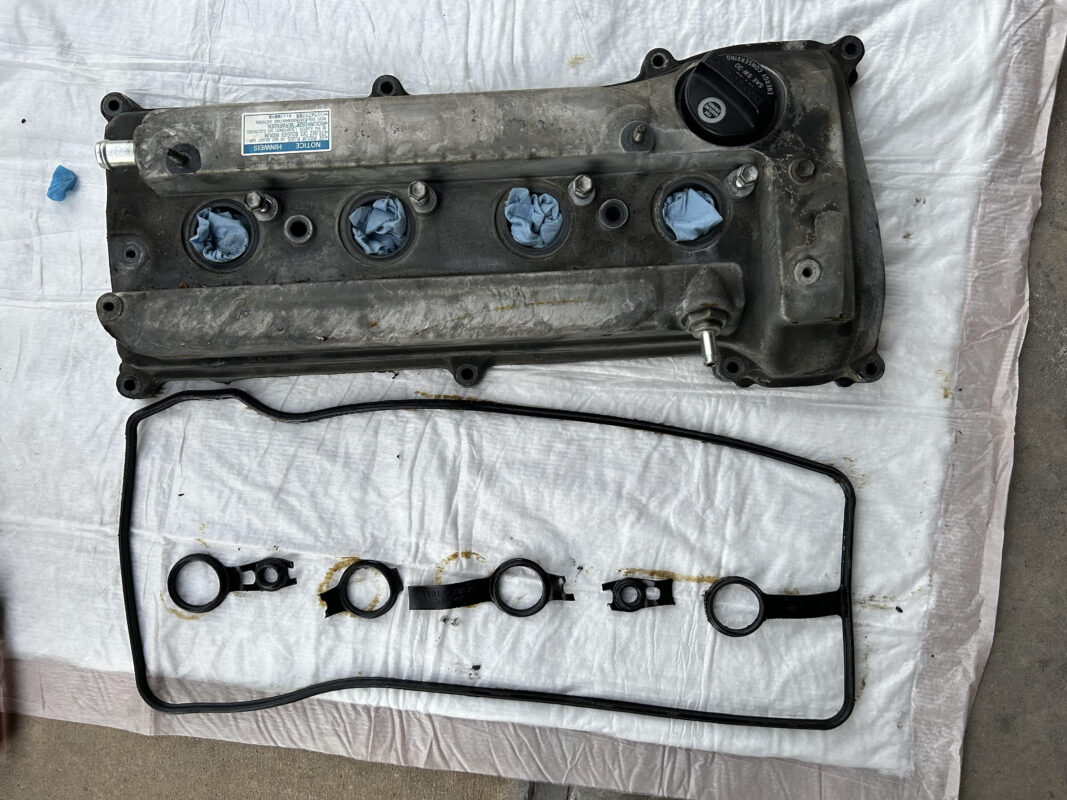
6. Clean the Mating Surfaces
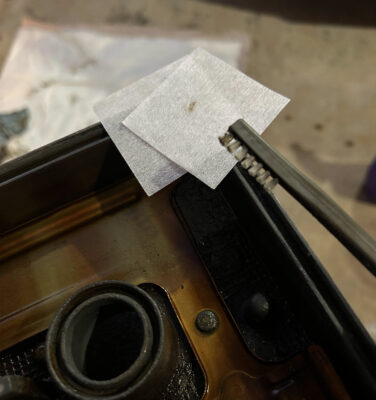
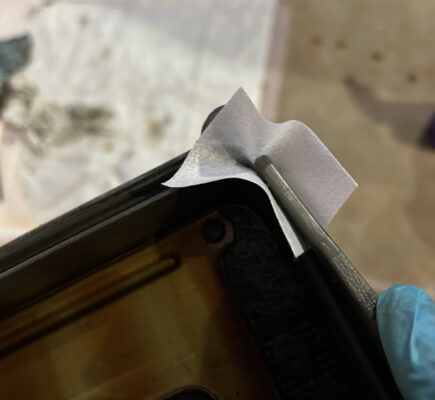
- Clean the valve cover groove and cylinder head edge surface
- Use brake cleaner and rags.
- Do not let debris fall into the engine.
7. Install the new gasket, fit it into the groove
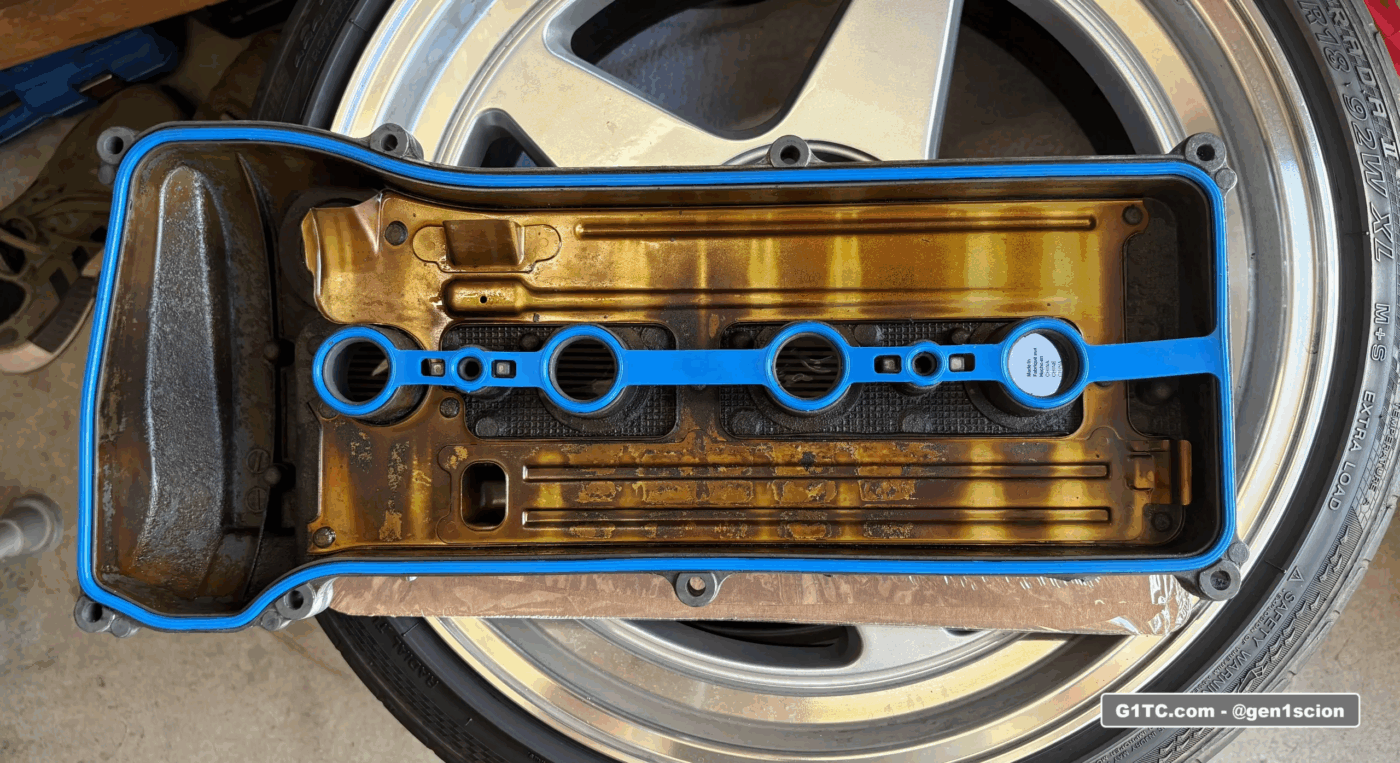
Fel-Pro valve cover gasket for the 2AZ-FE
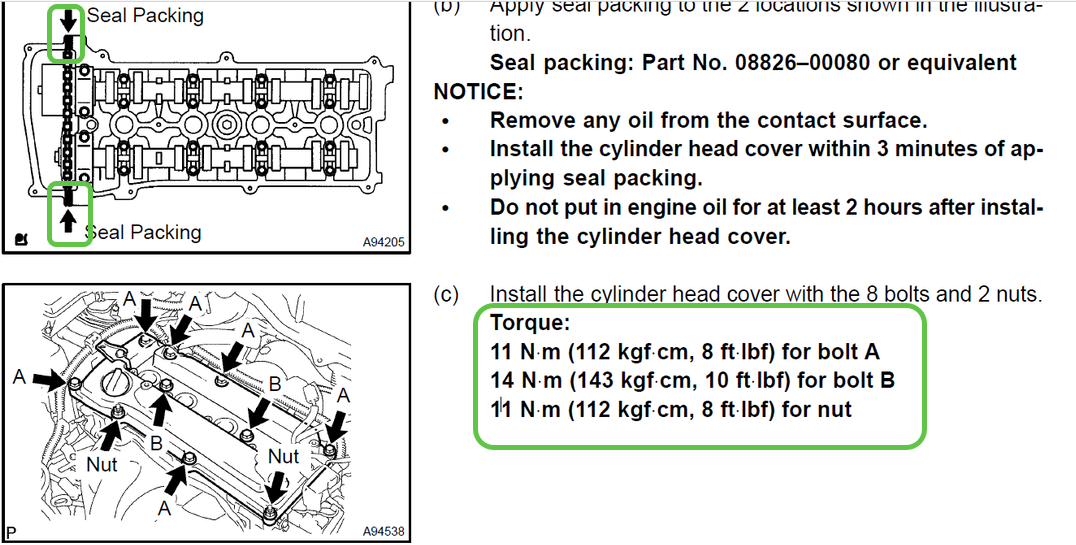
8. Reinstall the valve cover onto the cylinder head
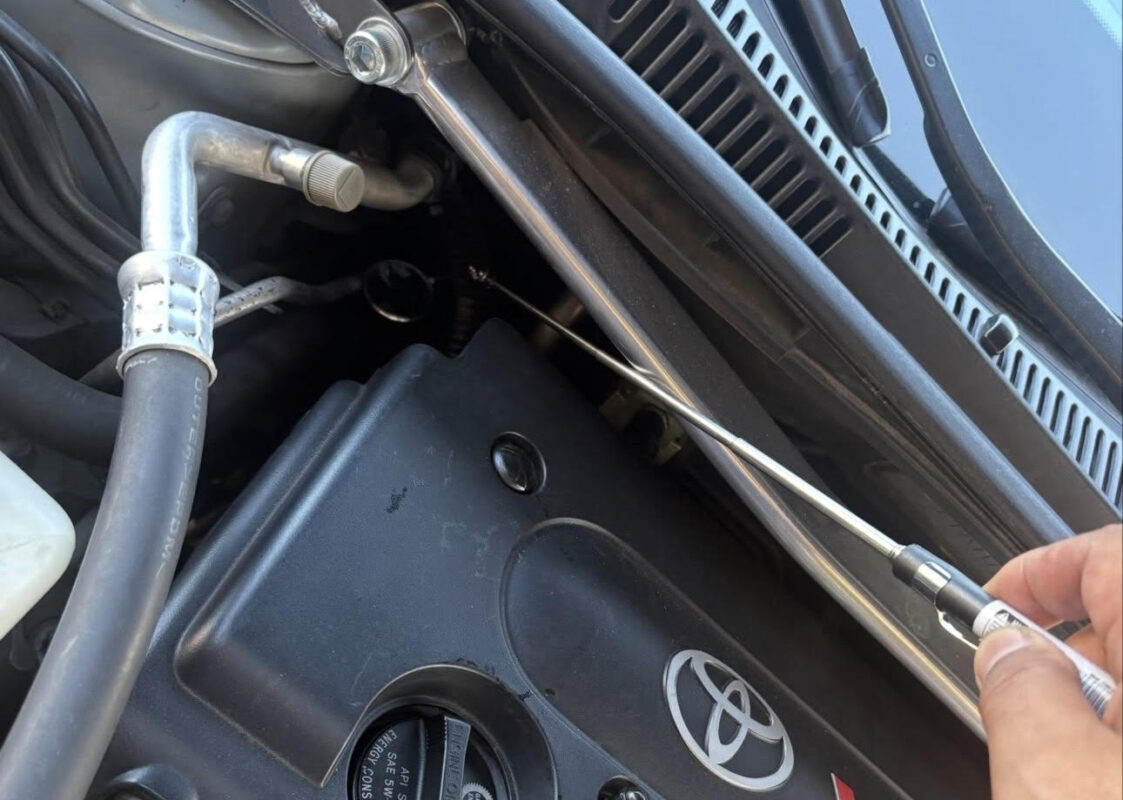
9. Start engine and check for leaks
Start your engine and check for leaks. For the back side of the valve cover, use a small telescoping mirror if needed
Prevent Oil Leaks (and the Mess They Create)
A worn or hardened valve cover gasket is one of the most common causes of engine oil leaks. Leaking oil can drip onto the engine block, exhaust components, or driveway—creating smoke, odors, and stains. Keeping the gasket in good shape stops small seepages before they turn into constant leaks.
Protect Engine Components from Damage
Oil leaks don’t just waste oil—they can damage rubber hoses, belts, wiring insulation, and nearby sensors. Oil contamination accelerates deterioration of these parts, leading to secondary failures that cost far more than a simple gasket replacement.
Maintain Proper Engine Lubrication
Even slow leaks reduce oil levels over time. Running low on oil increases friction and heat, accelerating wear on camshafts, lifters, and other valvetrain components. A healthy valve cover gasket helps keep oil where it belongs—inside the engine.
Avoid Burning Oil Smells and Fire Risk
When oil leaks onto hot exhaust manifolds or headers, it can burn off and produce a strong, unpleasant smell. In extreme cases, excessive oil buildup near hot surfaces can become a fire hazard. A properly sealed valve cover eliminates this risk.
Save Money with Preventive Maintenance
Valve cover gaskets are relatively inexpensive and straightforward to replace compared to the damage caused by prolonged oil leaks. Regular inspection and timely replacement help you avoid costly repairs, engine bay cleanup, and potential breakdowns down the road.
