
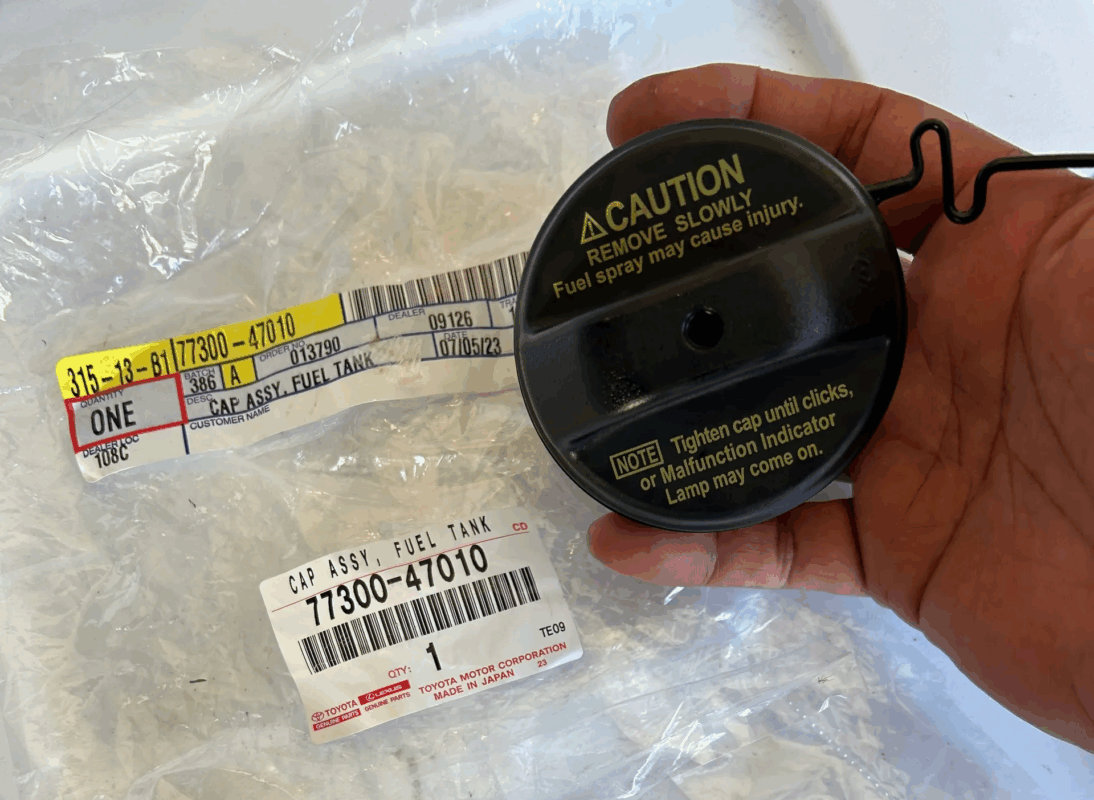
Try this quick fix first
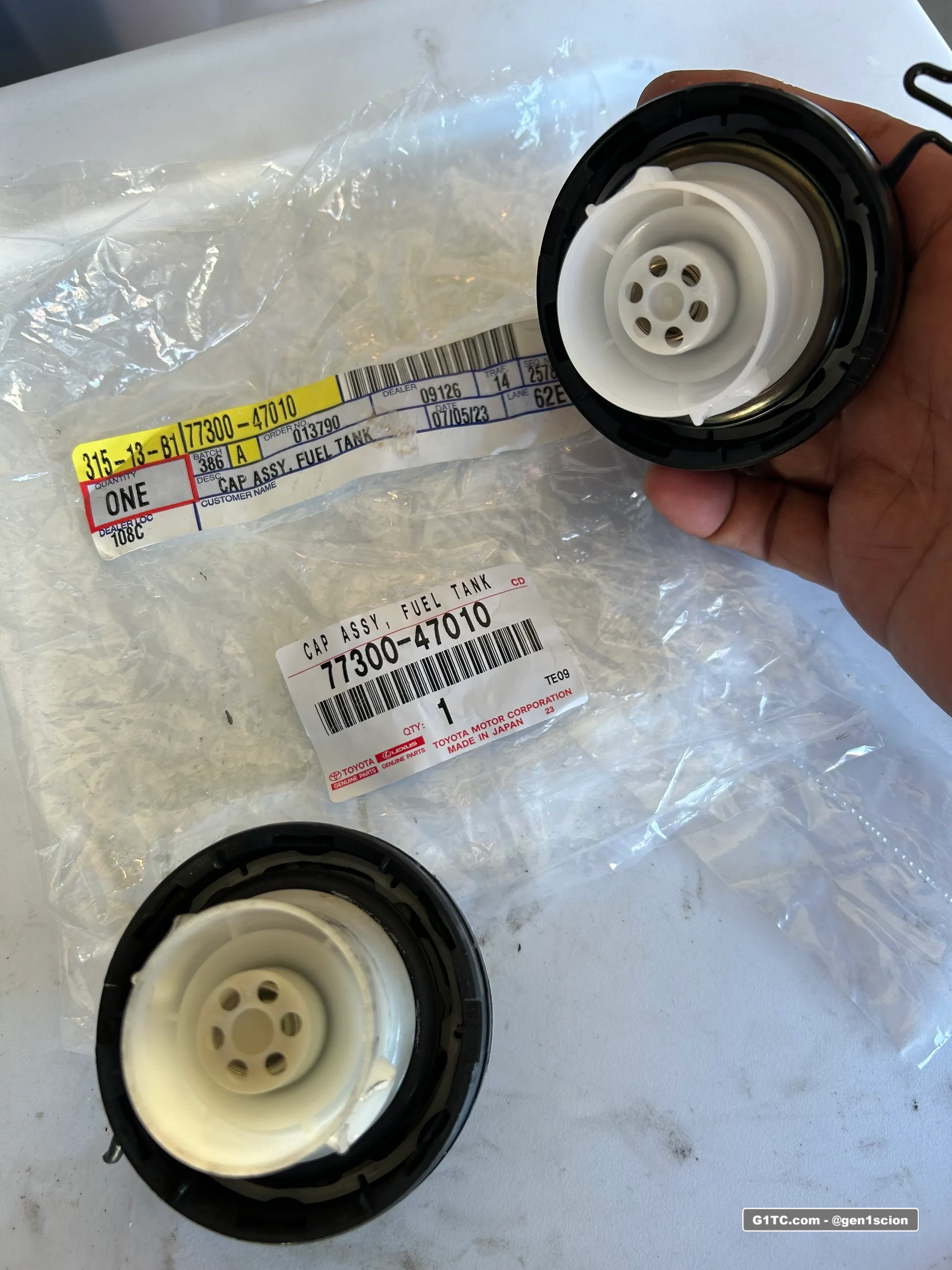
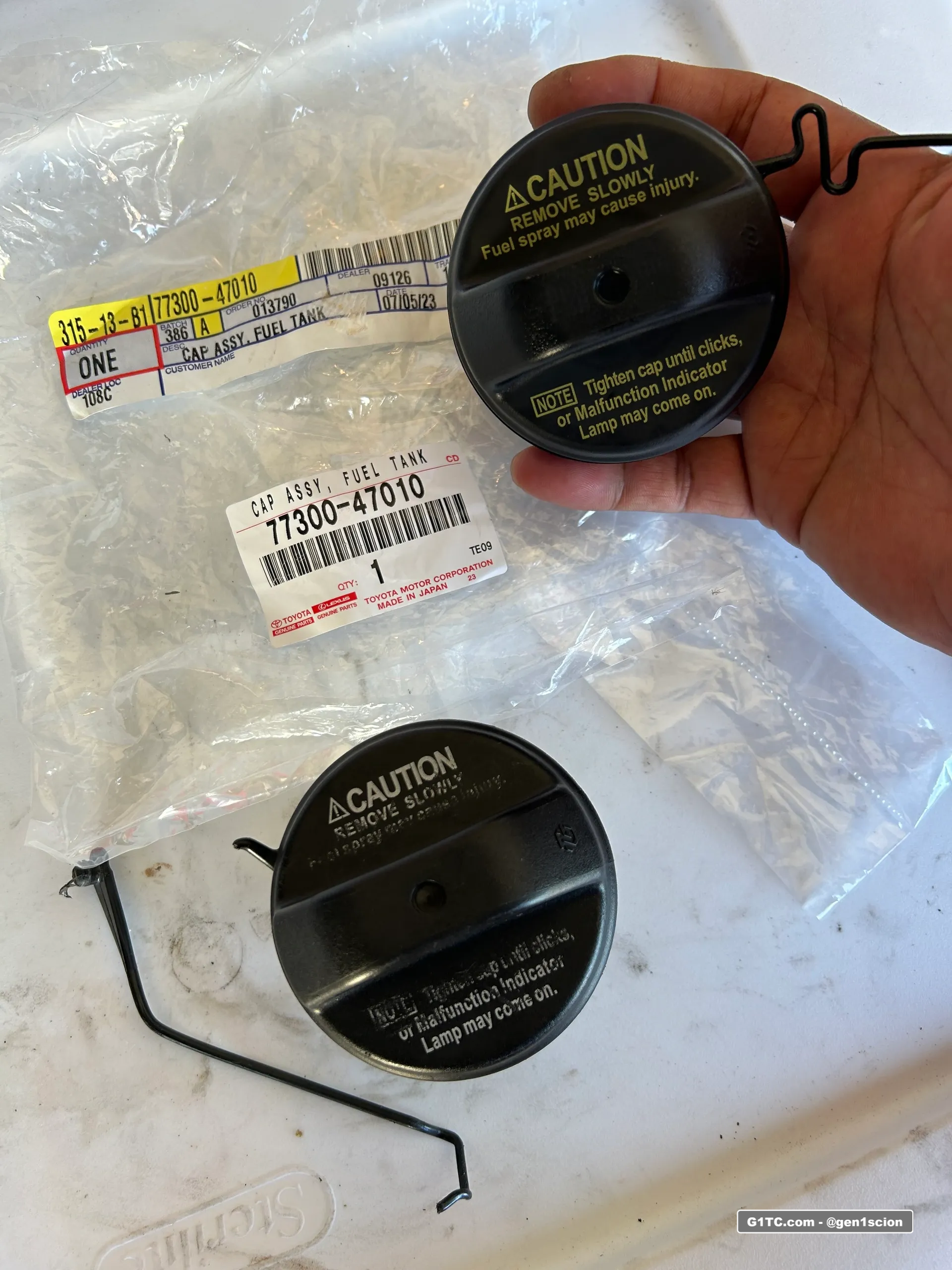
Next I would try something from your local parts counter, that way if it doesn’t work you can return it. If you need to order one online, here’s one with good reviews:
Fuel tank gas cap compatible with Scion, Camry, Corolla, Matrix, Solara
How to Fix a P0455 EVAP Leak Code (DIY Guide)
A P0455 trouble code indicates a leak in the EVAP (Evaporative Emissions) system. While it may not affect drivability right away, ignoring it can lead to a failed emissions test, poor fuel vapor control, and additional check engine codes. Many P0455 issues are easy and inexpensive to fix at home with basic tools.
This guide covers symptoms, common causes, and step-by-step repair tips to help you diagnose and fix a large EVAP leak.
What Does a P0455 Code Mean?
The EVAP system is designed to capture fuel vapors from the gas tank and store them in a charcoal canister, preventing them from escaping into the atmosphere. When the ECU detects that the system cannot hold pressure, it sets a P0455 code.
Common Symptoms of a P0455 EVAP Leak
Most drivers won’t notice major performance changes, but common symptoms include:
-
Check Engine Light illuminated
-
Fuel smell, especially after refueling
-
Slight drop in fuel economy
-
Failed emissions or smog test
In most cases, the vehicle will still drive normally, which is why EVAP issues are often ignored until inspection time.
Most Common Causes of a P0455 Code
A large EVAP leak usually comes from something simple. Start with these common failure points:
-
Loose, damaged, or missing gas cap
This is the number one cause. A cracked seal or cap that doesn’t click can easily trigger P0455. -
Cracked or disconnected EVAP hoses
Rubber lines near the engine bay or charcoal canister can dry out, split, or fall off. -
Faulty purge valve or vent valve
If a valve is stuck open, the system can’t seal properly during self-tests. -
Damaged charcoal canister
Physical damage or fuel saturation can cause internal leaks.
DIY Steps to Fix a P0455 EVAP Leak
Step 1: Check the Gas Cap
Remove the cap and inspect the rubber seal. Replace it if it’s cracked, flattened, or missing. Always tighten until it clicks.
Step 2: Inspect EVAP Hoses
Visually inspect hoses from the engine bay to the rear of the vehicle. Look for cracks, dry rot, or loose connections. You can also buy an inexpensive smoke leak machine to test the system.
Step 3: Test the Purge Valve
Disconnect the purge valve and check if it’s stuck open. A stuck valve will not hold vacuum and must be replaced.
Step 4: Inspect the Charcoal Canister
Look for physical damage, broken fittings, or fuel odor near the canister. Replace if compromised.
Step 5: Clear the Code and Drive
After repairs, clear the code with a scan tool and drive normally. The EVAP monitor may take several drive cycles to reset.
Final Thoughts
A P0455 EVAP leak code can look intimidating, but in many cases it’s caused by a simple issue like a gas cap or cracked hose. By working methodically and starting with the most common failures, most DIYers can fix the problem without a trip to the shop.
Addressing EVAP leaks early keeps your vehicle emissions-compliant, prevents future codes, and saves money in the long run.
