
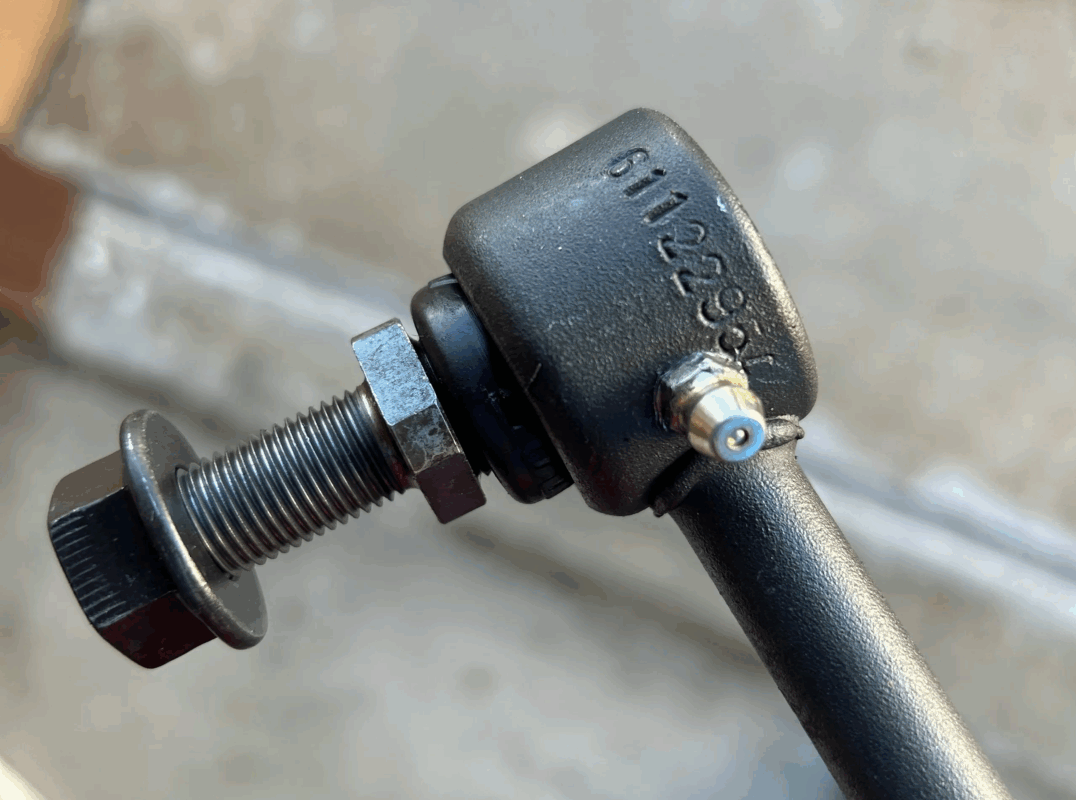
MOOG and Detroit Axle make thicker and greaseable sway bar end links
Installation
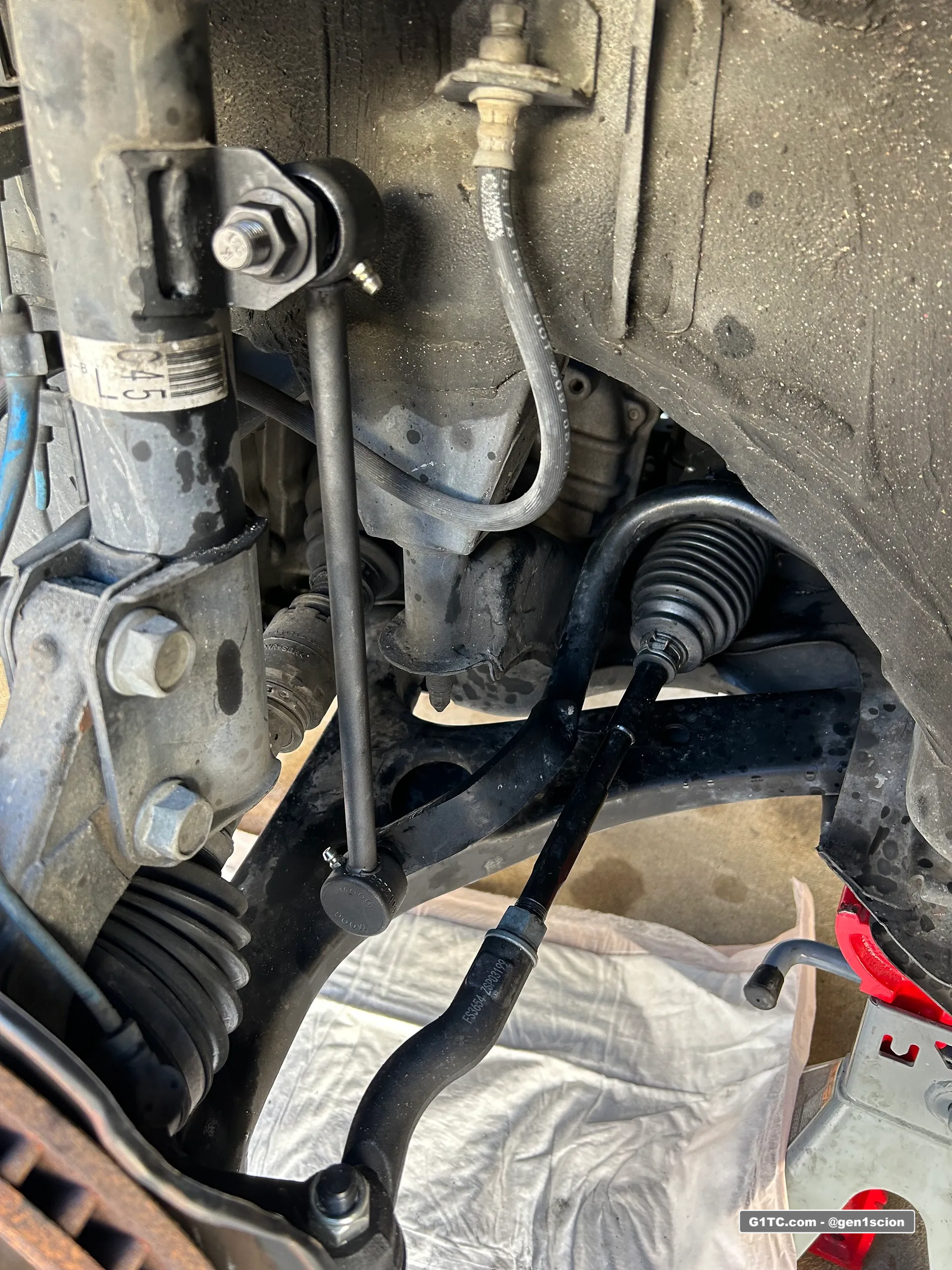
Front sway bar end links
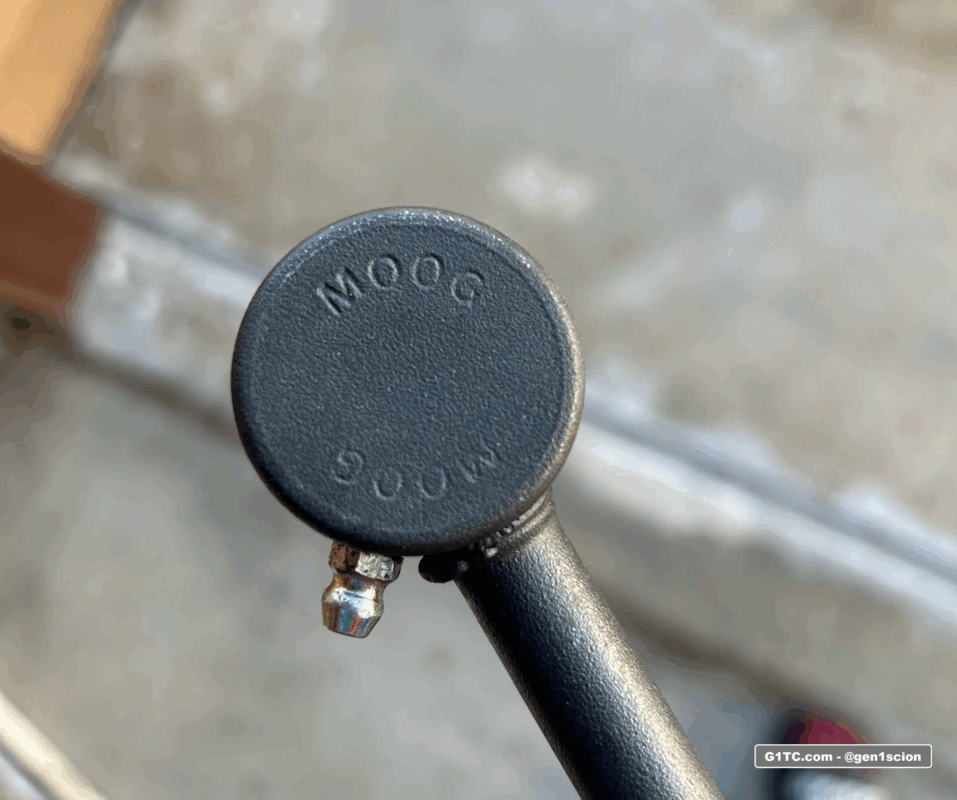
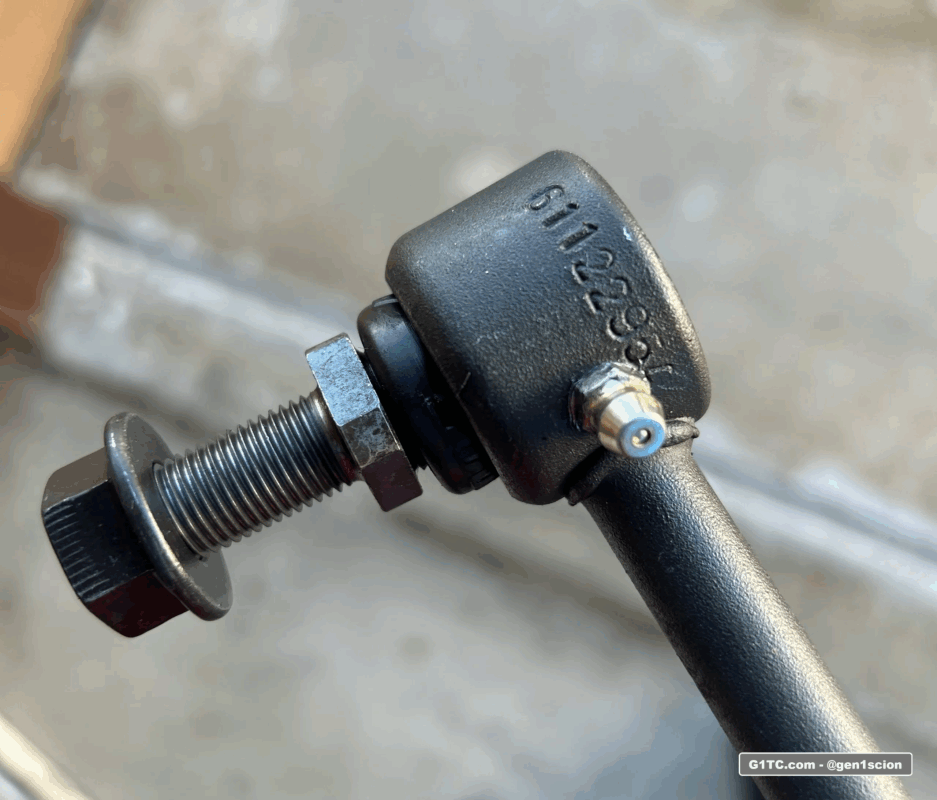
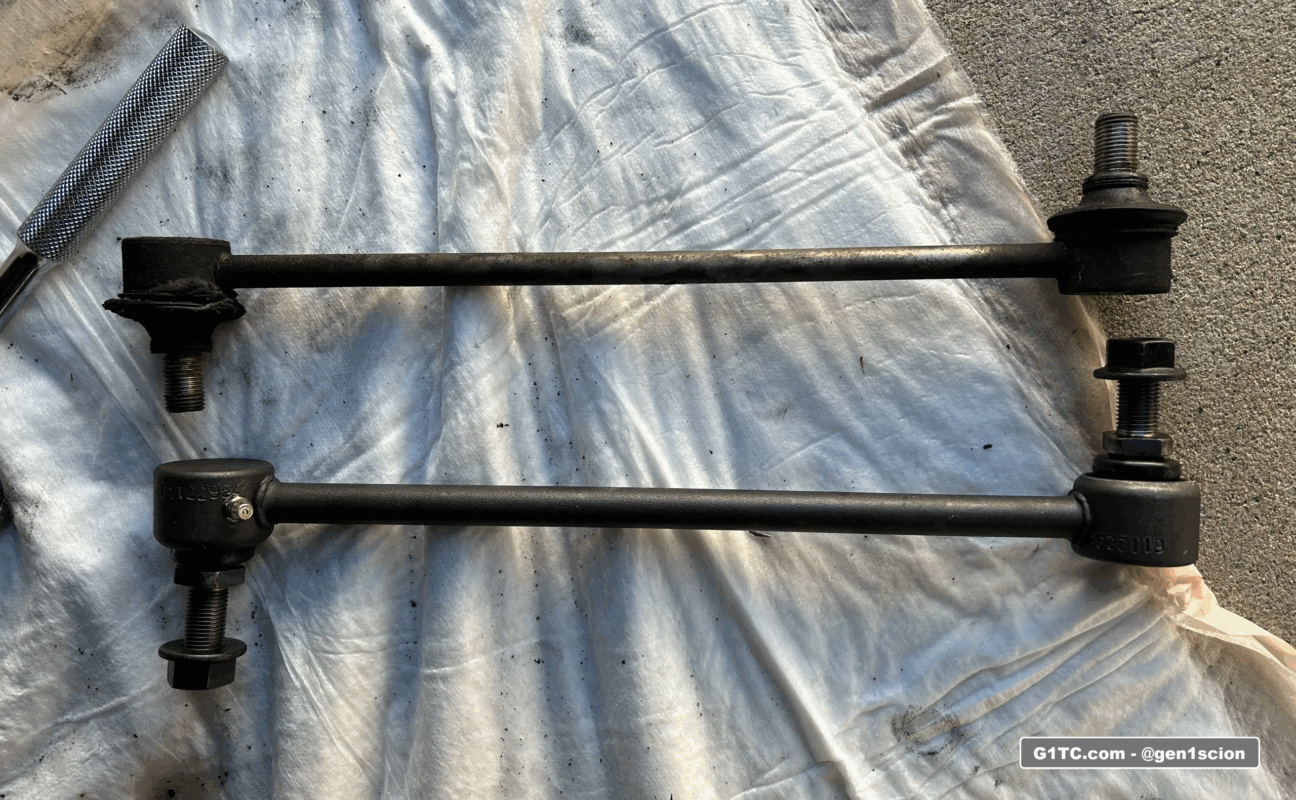
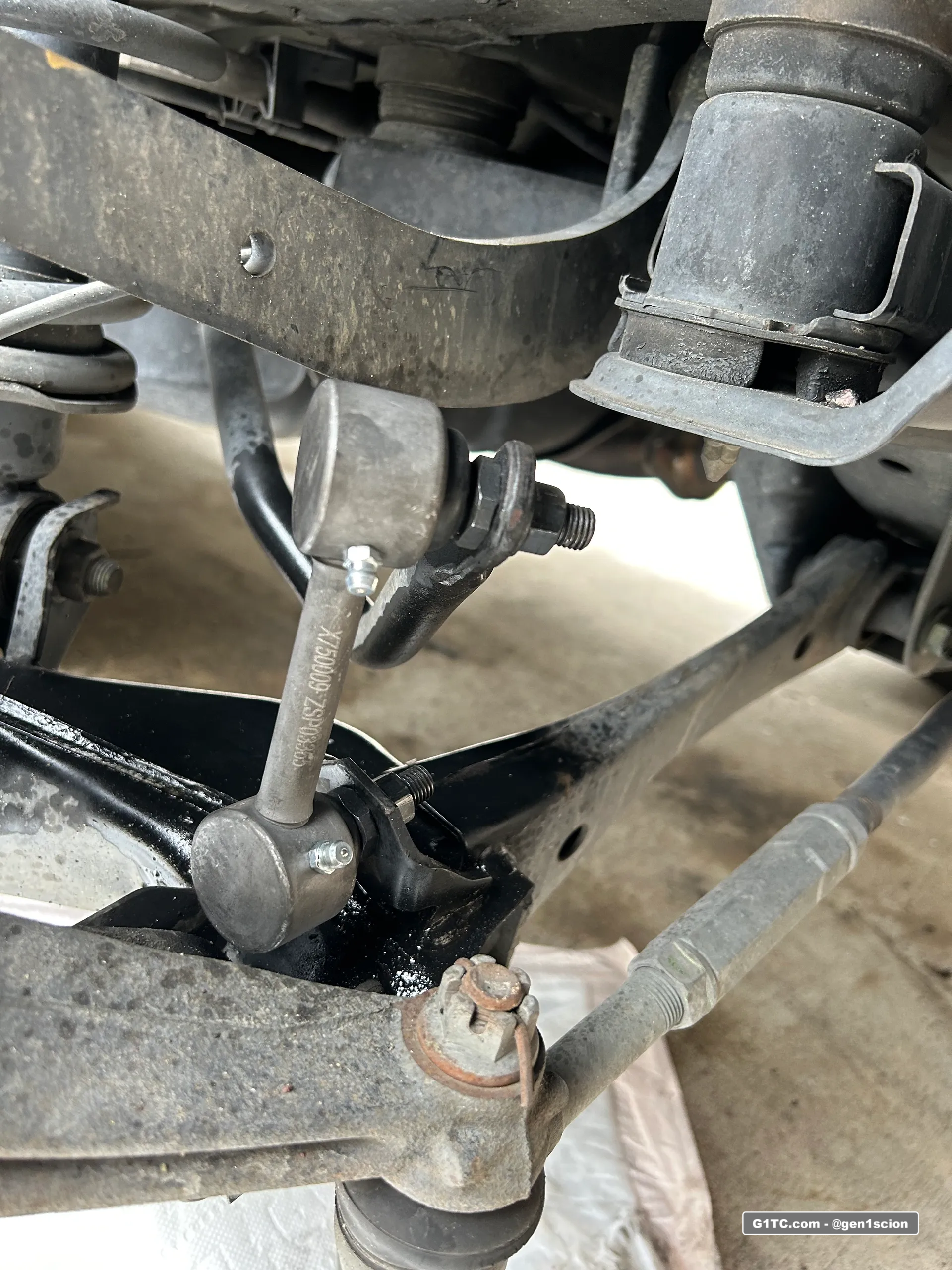
Rear sway bar end links
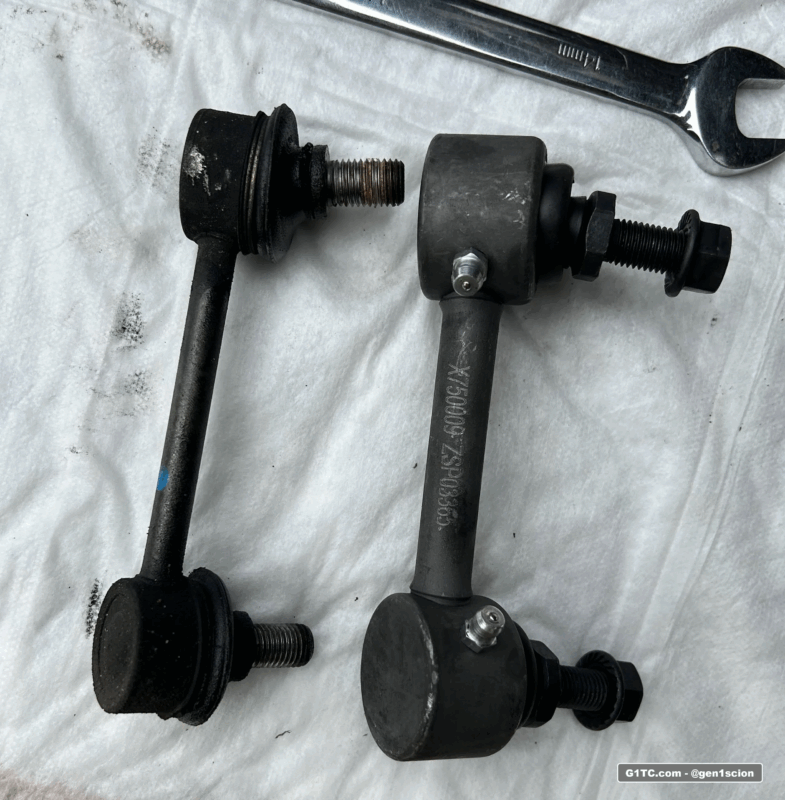
My Grease gun setup
Why Upgrading Your Sway Bar End Links?
When people think about improving handling, they usually jump straight to coilovers, sway bars, or performance tires. But there’s a small, often overlooked component that plays a big role in how your car feels in corners: sway bar end links. Upgrading them can deliver noticeable improvements in steering response, consistency, and overall confidence—especially on older or modified vehicles.
Sway bar end links connect the sway bar (anti-roll bar) to the suspension, allowing the bar to resist body roll during cornering. Factory end links are typically designed for comfort, cost, and long service intervals—not aggressive driving. Over time, the rubber bushings in OEM end links wear out, crack, or compress, leading to slop in the suspension. This can cause vague steering, clunks over bumps, and reduced effectiveness of the sway bar itself.
Installation is usually straightforward and can often be done with basic hand tools. While access can be tight depending on the vehicle, most DIYers can complete the job in under an hour per side. It’s also a good opportunity to inspect bushings, ball joints, and other suspension components while you’re under the car.
