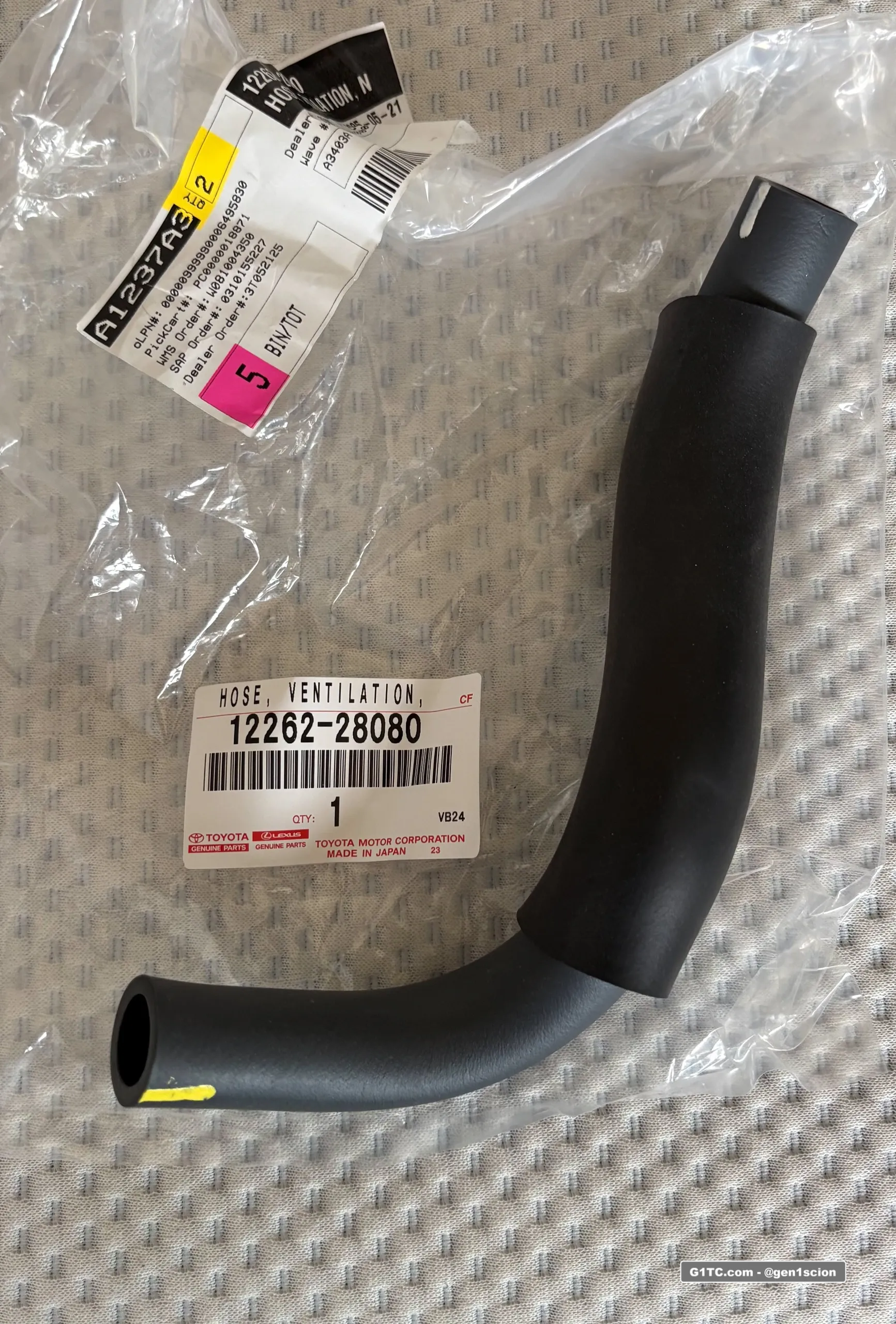
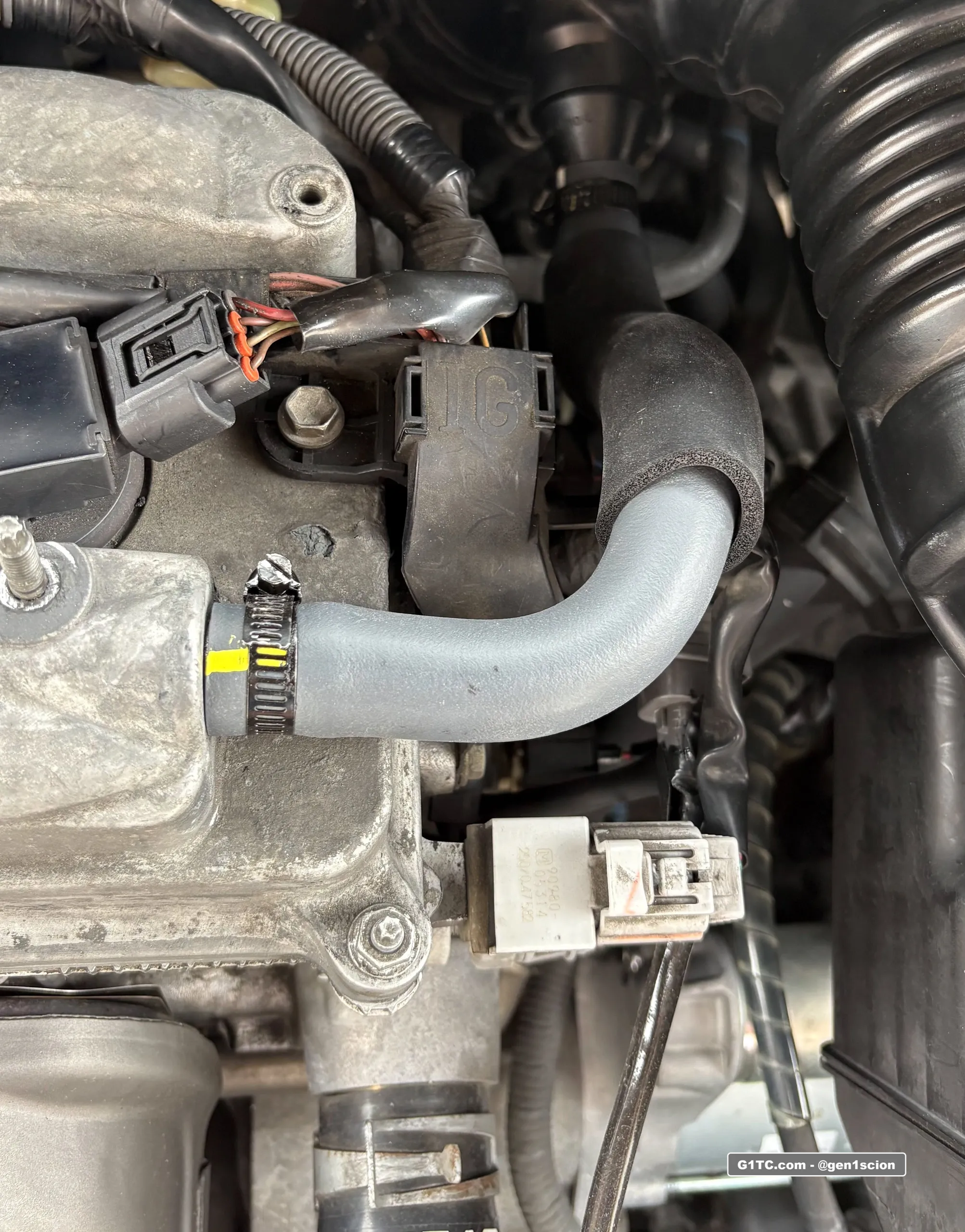
What does the crankcase breather hose do?
The crankcase breather hose is a key part of your engine’s crankcase ventilation system, and its job is to manage pressure and vapors inside the engine while keeping everything running clean and efficient.
During normal engine operation, a small amount of combustion gas—called blow-by—slips past the piston rings and enters the crankcase. If this pressure isn’t relieved, it can build up and force oil past seals and gaskets, leading to leaks and damage. The crankcase breather hose provides a controlled path for these gases to escape.
Instead of venting harmful vapors into the atmosphere, the breather hose routes them back into the intake system, where they’re burned during normal combustion. This reduces emissions, improves fuel efficiency, and keeps crankcase pressure in check. On many vehicles, the breather hose works alongside the PCV valve, balancing airflow depending on engine load and vacuum.
A properly functioning breather hose also helps remove moisture and fuel vapors from the crankcase. This is important because trapped moisture can lead to sludge buildup, oil contamination, and accelerated engine wear—especially in short-trip driving conditions.
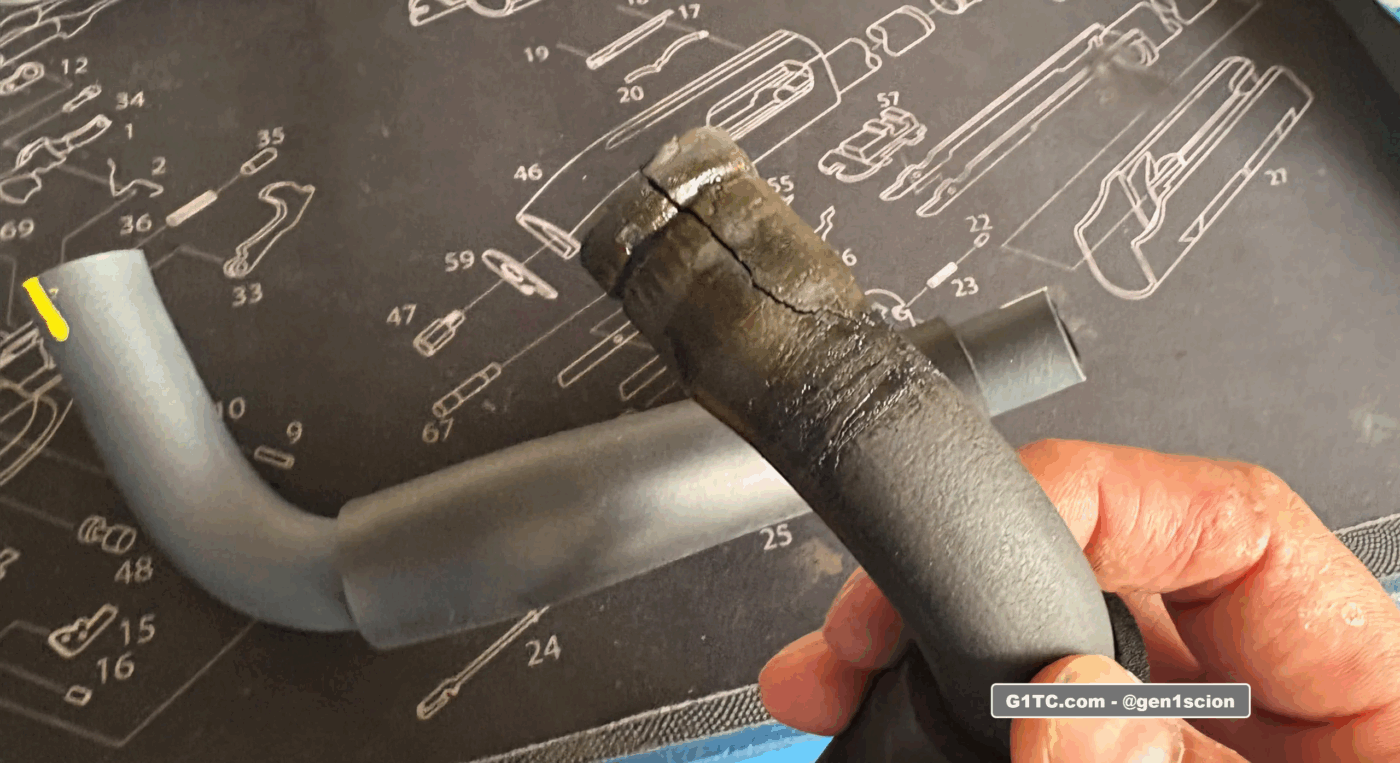
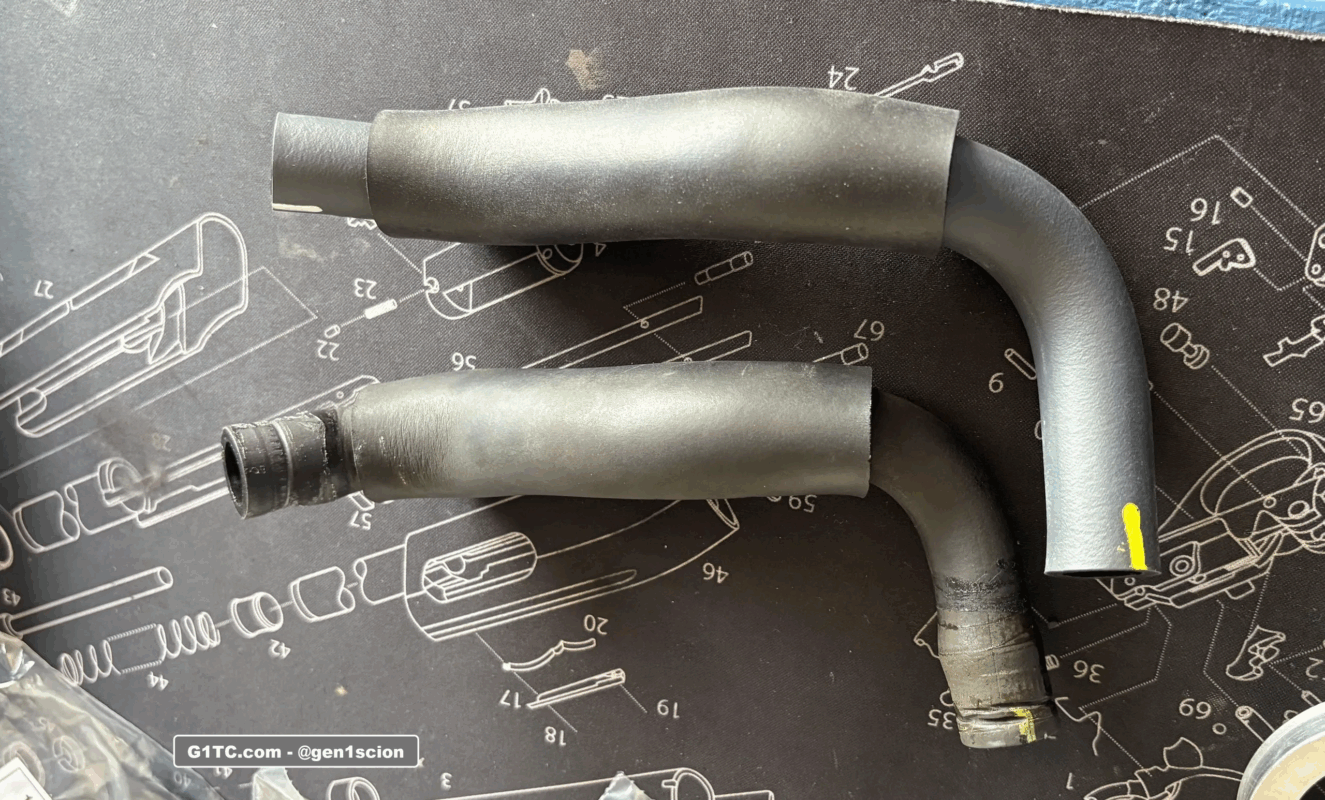
When the breather hose fails—whether it cracks, collapses, or becomes clogged—it can cause vacuum leaks, rough idle, oil leaks, and increased oil consumption. That’s why inspecting and replacing worn breather hoses is considered basic but essential maintenance.
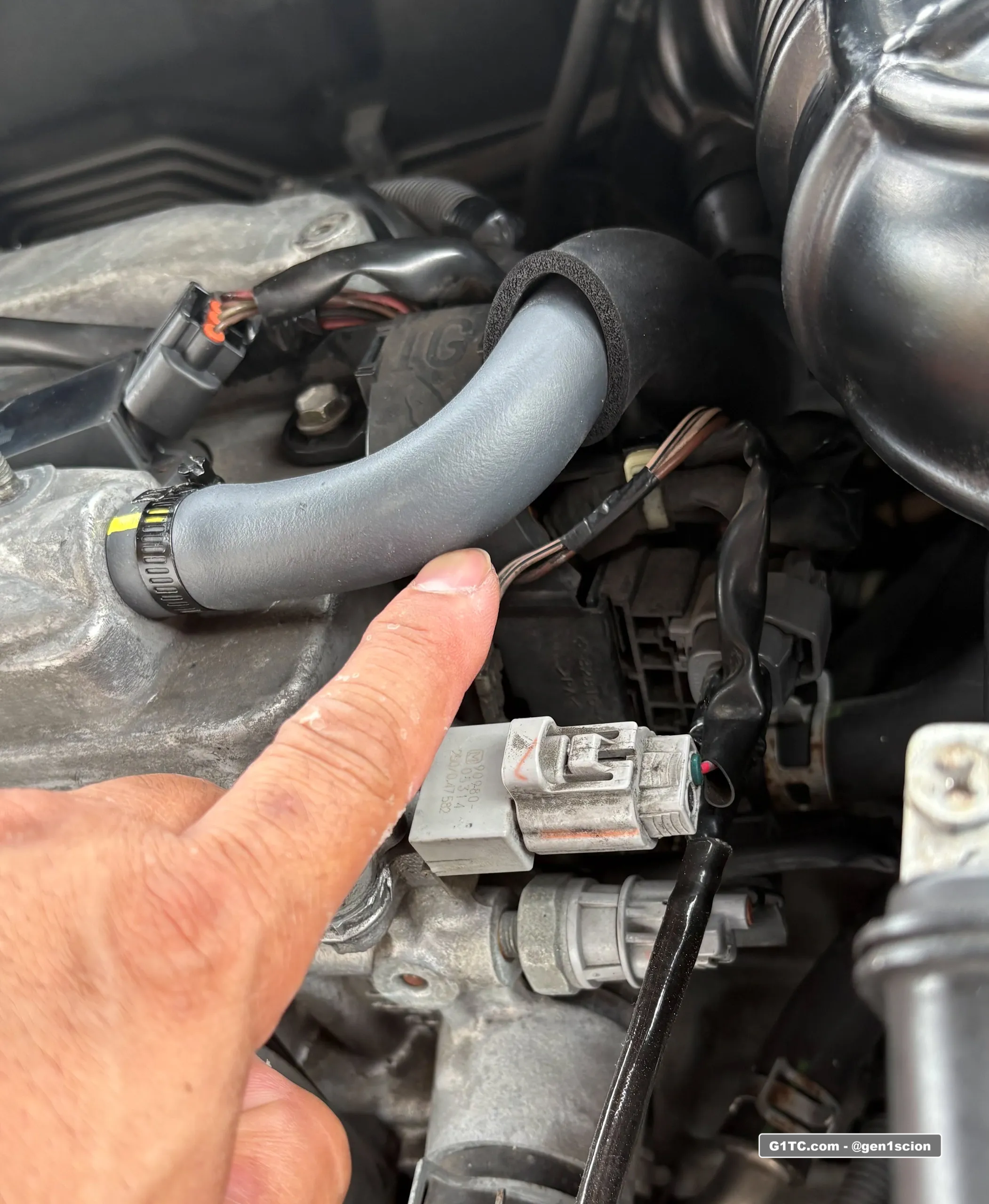
Installation is pop and swap
- Remove the engine cover, two 10mm bolts
- Remove the spring clip using pliers
- Remove the connection at the intake pipe.
- Replace the hose and replace clamps as needed.